

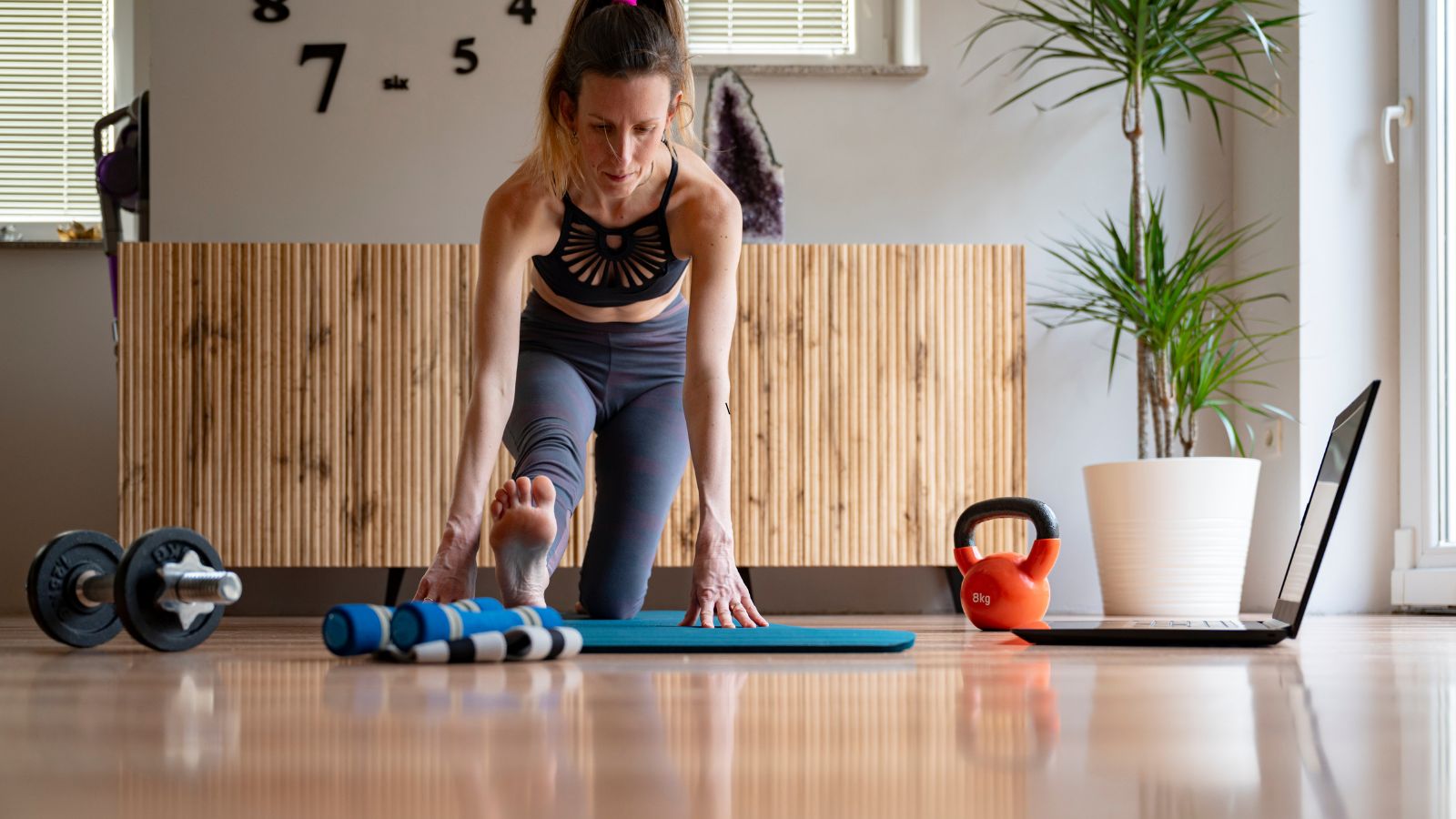
A full body home workout: The Complete Living Room Routine is one of the most convenient and effective ways to stay fit without visiting a gym. Whether you are a beginner starting your fitness journey or an experienced athlete looking for an efficient training session, a well-designed home workout can help you build strength, improve endurance, and burn calories using only your body weight. The comfort of your living room provides the perfect space to train consistently without expensive equipment or memberships.
Home workouts have become increasingly popular because they save time, reduce costs, and offer complete flexibility. With the right exercises and proper technique, you can target every major muscle group while improving mobility, balance, and cardiovascular fitness. This guide explains how to create an effective full-body routine that delivers lasting results from the comfort of your home.
Table of Contents
ToggleWhy Choose a Full-Body Home Workout?
A full-body workout trains multiple muscle groups in a single session, making it one of the most efficient forms of exercise. Instead of focusing on one area each day, you strengthen your legs, chest, back, shoulders, arms, and core together. This approach improves functional fitness while increasing calorie expenditure and supporting overall muscle development.
Training at home also eliminates many common obstacles that prevent people from exercising regularly. You do not need expensive machines, large workout spaces, or long commutes. A small open area in your living room is enough to complete a challenging routine whenever it fits your schedule.
Benefits of Training in Your Living Room
Exercising at home offers more than convenience. It allows you to work out in a comfortable environment where you control the pace, music, and schedule. Without waiting for equipment or dealing with crowded gyms, you can stay focused and complete your workout more efficiently.
Living room workouts also encourage consistency because they remove many excuses that interfere with regular exercise. Whether you have twenty minutes before work or thirty minutes in the evening, having immediate access to your workout space makes it easier to maintain healthy habits over the long term.
Warm Up Before Every Workout
A proper warm-up prepares your muscles and joints for movement while reducing the risk of injury. Begin with light cardio such as marching in place, jogging on the spot, or jumping jacks for five minutes. Follow this with dynamic stretches that loosen your shoulders, hips, knees, and ankles to improve mobility.
Preparing your body before exercising also enhances performance. Warm muscles respond more efficiently during strength exercises, allowing you to move with better control and generate greater power. Spending just a few minutes warming up can significantly improve the quality of your workout.
The Complete Living Room Routine
Start your session with bodyweight squats to activate the legs and glutes while improving lower-body strength. Continue with push-ups to develop the chest, shoulders, and triceps, followed by alternating lunges that improve balance and coordination. Add planks to strengthen your core before finishing the circuit with mountain climbers to increase cardiovascular endurance.
Repeat the sequence three or four times depending on your fitness level. Perform each exercise with controlled movement while maintaining proper posture and steady breathing. As your strength improves, increase the number of repetitions or reduce your rest periods to create additional challenge and stimulate continued progress.
Proper Form for Better Results
Correct technique is essential for achieving the best results while reducing the risk of injury. Keep your spine neutral during every exercise, engage your core muscles, and avoid rushing through repetitions. Controlled movement ensures the targeted muscles perform the majority of the work rather than relying on momentum.
Breathing also plays an important role in exercise performance. Exhale during the effort phase of each movement and inhale as you return to the starting position. Consistent breathing improves stability, maintains energy levels, and helps you complete each exercise more effectively.
Nutrition and Recovery After Training
Exercise places stress on your muscles, making proper nutrition essential for recovery. Consuming lean protein sources such as chicken, fish, eggs, Greek yogurt, or legumes helps repair muscle tissue after your workout. Healthy carbohydrates from oats, brown rice, sweet potatoes, and fruits restore energy while supporting future training sessions.
Recovery extends beyond nutrition. Drinking enough water throughout the day supports muscle function and replaces fluids lost during exercise. Quality sleep and regular rest days allow your body to recover fully, helping you become stronger while reducing the likelihood of overtraining.
Staying Motivated With Home Workouts
Maintaining consistency is often the biggest challenge in any fitness journey. Creating a regular workout schedule helps establish healthy habits while making exercise part of your daily routine. Setting achievable goals and tracking your progress can also provide motivation as you notice improvements in strength, endurance, and overall fitness.
Adding variety to your workouts prevents boredom and keeps training enjoyable. Changing exercise order, increasing intensity, or trying new bodyweight movements challenges your muscles in different ways while maintaining long-term interest. Staying consistent with your routine is the key to lasting results.
Common Mistakes to Avoid
Many people skip warm-ups or neglect proper technique because they want to finish their workout quickly. However, poor form reduces exercise effectiveness and increases the risk of strains or injuries. Taking time to perform each movement correctly leads to better muscle activation and safer training.
Another common mistake is expecting immediate results. Fitness improvements require patience, consistency, and gradual progression. Avoid comparing yourself with others and focus instead on making steady improvements each week. Small achievements accumulate into significant long-term success.
Conclusion
A full-body home workout: The Complete Living Room Routine provides an effective solution for anyone who wants to improve fitness without leaving home. By combining bodyweight strength exercises with proper warm-ups, good technique, balanced nutrition, and consistent effort, you can build muscle, increase endurance, and enhance overall health using only a small space in your living room.
Success comes from consistency rather than perfection. Commit to regular workouts, challenge yourself gradually, and allow your body enough time to recover. With dedication and smart training, your living room can become the foundation for a healthier, stronger, and more active lifestyle.
FAQs
Can I build muscle with home workouts?
Yes. Consistent bodyweight training combined with progressive overload and proper nutrition can build lean muscle and improve strength.
How many times a week should I do a full-body workout?
Most people achieve excellent results by performing a full-body workout three to four times per week while allowing recovery between sessions.
Do I need equipment for this routine?
No. This living room routine uses bodyweight exercises, making it suitable for anyone without gym equipment.
How long should a home workout last?
A complete full-body session usually lasts between 20 and 45 minutes depending on your fitness level and workout intensity.
Can beginners follow this workout?
Absolutely. Beginners can reduce repetitions, slow the pace, and gradually increase intensity as their strength and confidence improve.
Will home workouts help me lose weight?
Yes. Combined with a healthy calorie-controlled diet, regular home workouts increase calorie expenditure and support long-term fat loss.
Should I stretch after exercising?
Yes. Gentle stretching after your workout improves flexibility, reduces muscle tightness, and supports muscle recovery.
How soon will I notice results?
With consistent training, balanced nutrition, and adequate recovery, many people notice improved strength and energy within four to eight weeks, while visible physical changes usually appear after several weeks of regular exercise.
