
Easy fitness routine: Gentle Movement for Everyday Health is an excellent way to stay active without following intense workout programs. Many people believe that fitness requires heavy lifting or exhausting cardio sessions, but gentle movement can provide significant health benefits when practiced consistently. Whether you are a beginner, returning to exercise after a break, or simply looking for a sustainable way to stay active, a simple daily routine can improve your physical and mental well-being.
Gentle exercise helps increase mobility, strengthen muscles, improve flexibility, and boost energy levels while placing minimal stress on the joints. Because these movements are easy to perform and suitable for most fitness levels, they encourage long-term consistency. This guide explains how a gentle fitness routine supports overall health and how you can incorporate it into your daily lifestyle.
Table of Contents
ToggleWhy an Easy Fitness Routine Matters
Modern lifestyles often involve long hours of sitting, which can contribute to muscle stiffness, poor posture, and reduced mobility. A gentle fitness routine helps counteract these effects by encouraging regular movement throughout the day. Even a short session can improve blood circulation, loosen tight muscles, and reduce discomfort caused by inactivity.
Regular movement also supports long-term health by improving heart function, maintaining healthy body weight, and reducing the risk of chronic conditions. Unlike demanding exercise programs that may feel overwhelming, gentle routines are easier to maintain, making them an ideal option for building lifelong healthy habits.
Benefits of Gentle Movement for Everyday Health
Gentle exercises improve flexibility by allowing joints to move through their natural range of motion. Better flexibility enhances posture, reduces muscle tightness, and makes everyday activities such as walking, bending, and climbing stairs feel more comfortable. Improved mobility also lowers the likelihood of injuries caused by stiff muscles and joints.
Mental health benefits are equally important. Light physical activity encourages the release of endorphins, which help reduce stress and improve mood. Daily movement can also increase focus, enhance sleep quality, and provide a sense of accomplishment that contributes to overall emotional well-being.
Starting Your Day with Simple Movements
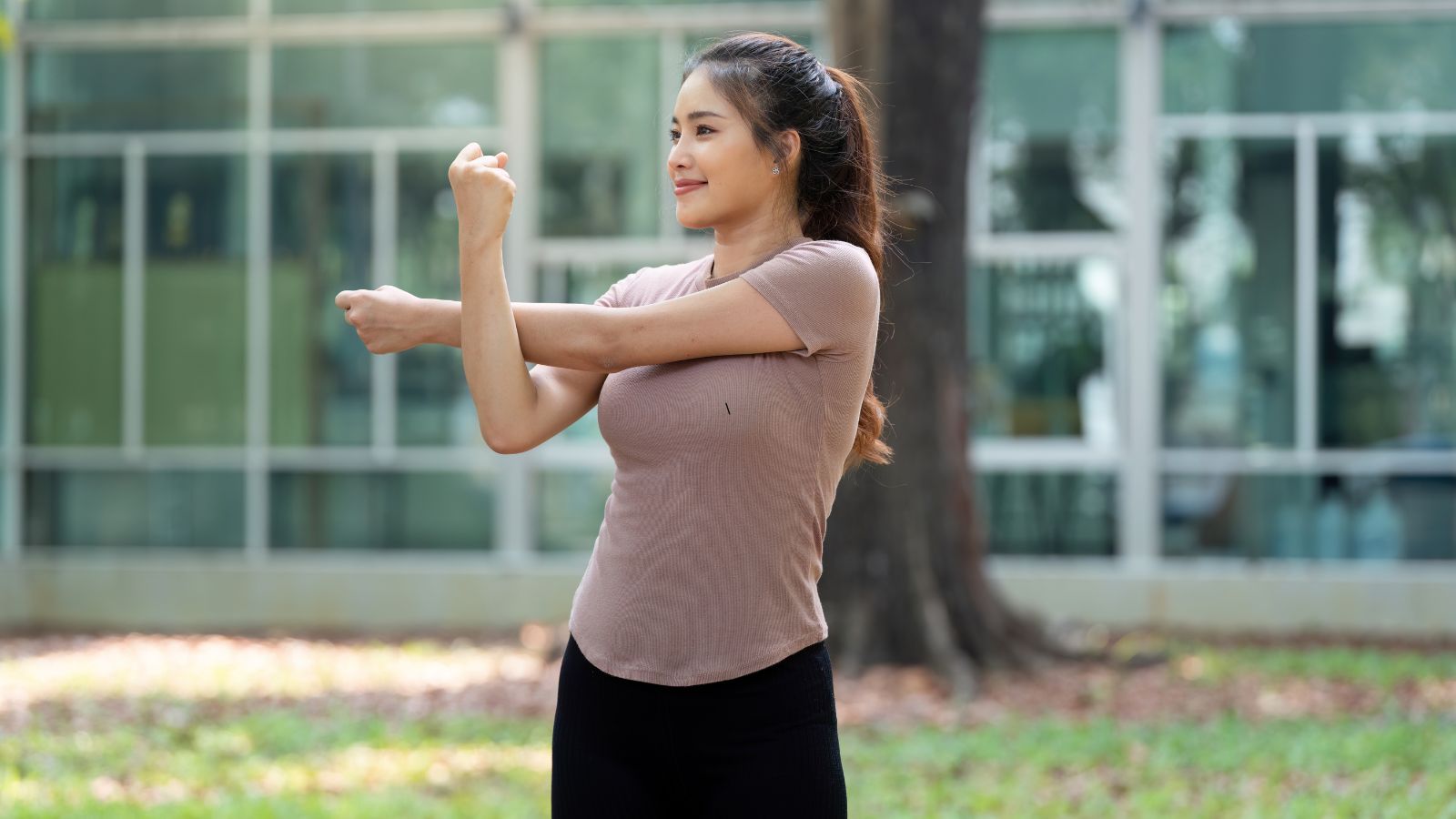
Beginning the day with gentle stretching prepares your body for daily activities. Slow neck rolls, shoulder circles, arm stretches, hip rotations, and ankle movements help improve circulation while reducing morning stiffness. Controlled breathing during these movements promotes relaxation and encourages better posture throughout the day.
Adding a short walk after stretching further activates the muscles and increases energy levels. Even ten to fifteen minutes of walking can improve cardiovascular health while creating a positive routine that is easy to maintain regardless of your fitness experience.
Strength Exercises Without Heavy Equipment
Bodyweight exercises provide an effective way to build strength without requiring gym equipment. Chair squats, wall push-ups, standing calf raises, and gentle lunges strengthen the legs, chest, arms, and core while remaining suitable for beginners and older adults. Performing these movements with slow, controlled technique improves muscle endurance and balance.
As your confidence increases, you can gradually perform additional repetitions or hold each movement slightly longer. Progressive improvements allow your body to adapt safely while maintaining the gentle nature of the routine. Consistency is far more important than intensity when building lasting fitness habits.
Improving Flexibility and Balance
Stretching plays an essential role in maintaining healthy muscles and joints. Gentle stretches for the hamstrings, hips, back, shoulders, and calves improve mobility while reducing tension that develops throughout the day. Holding each stretch comfortably without bouncing encourages gradual improvements in flexibility.
Balance exercises are equally valuable because they strengthen stabilizing muscles and reduce the risk of falls. Standing on one foot, heel-to-toe walking, or practicing simple yoga poses enhances coordination while improving confidence during everyday movements.
The Importance of Walking Every Day
Walking is one of the simplest and most effective forms of exercise available. It strengthens the heart, improves circulation, supports healthy weight management, and increases overall endurance without placing excessive stress on the joints. Walking outdoors also provides fresh air and exposure to natural surroundings, which may improve mental well-being.
You do not need long walks to experience health benefits. Short walks after meals, during work breaks, or in the evening contribute to your daily activity level and help establish a consistent movement routine. Every step supports better health and increased energy over time.
Nutrition and Hydration for Better Health
Physical activity works best when combined with balanced nutrition. Eating a variety of fruits, vegetables, whole grains, lean proteins, and healthy fats provides your body with the nutrients needed for energy, muscle maintenance, and recovery. Nutritious meals also help support a healthy immune system and long-term wellness.
Staying hydrated is equally important because water supports muscle function, digestion, and temperature regulation. Drinking enough fluids throughout the day helps maintain energy levels and allows your body to perform everyday activities more efficiently.
Building a Sustainable Daily Routine
The most successful fitness plans are those that fit naturally into your lifestyle. Rather than setting unrealistic goals, begin with short sessions that feel manageable and gradually increase your activity as your confidence grows. Establishing a regular schedule makes exercise feel like a normal part of your daily routine rather than a temporary challenge.
Tracking your progress can also increase motivation. Recording your daily walks, stretching sessions, or exercise duration allows you to see consistent improvement over time. Celebrating small achievements helps reinforce healthy habits and encourages you to continue moving every day.
Conclusion
An easy fitness routine: Gentle Movement for Everyday Health offers a practical and sustainable way to improve strength, flexibility, balance, and overall well-being. Gentle exercises, walking, stretching, and simple bodyweight movements work together to support physical health while reducing stress and increasing daily energy. Because these activities require little or no equipment, they are accessible to people of all ages and fitness levels.
Consistency is the key to achieving lasting results. By combining regular movement with balanced nutrition, proper hydration, and sufficient rest, you create a healthy lifestyle that supports long-term wellness. Small daily efforts may seem simple, but over time they lead to meaningful improvements in both physical fitness and overall quality of life.
FAQs
Is a gentle fitness routine effective for beginners?
Yes. Gentle movement is ideal for beginners because it improves strength, flexibility, and endurance without placing excessive stress on the body.
How long should I exercise each day?
Most people benefit from 20 to 30 minutes of gentle movement daily, although even shorter sessions contribute to better health.
Can I lose weight with a gentle fitness routine?
Yes. Combined with healthy eating, regular gentle exercise can help burn calories and support gradual, sustainable weight loss.
Do I need equipment for this routine?
No. Most gentle fitness exercises use your own body weight and require little or no equipment.
Is walking enough for everyday fitness?
Walking is an excellent form of exercise that improves cardiovascular health, endurance, and overall well-being, especially when combined with light strength and flexibility exercises.
How often should I stretch?
Stretching daily or after exercise helps improve flexibility, reduce muscle tightness, and maintain healthy joint mobility.
Can older adults follow this routine?
Absolutely. Gentle movement is suitable for older adults because it supports balance, mobility, strength, and independence while remaining low impact.
What is the most important part of staying fit?
Consistency is the most important factor. Regular movement, balanced nutrition, adequate hydration, and quality sleep together create the foundation for long-term health and fitness.
