

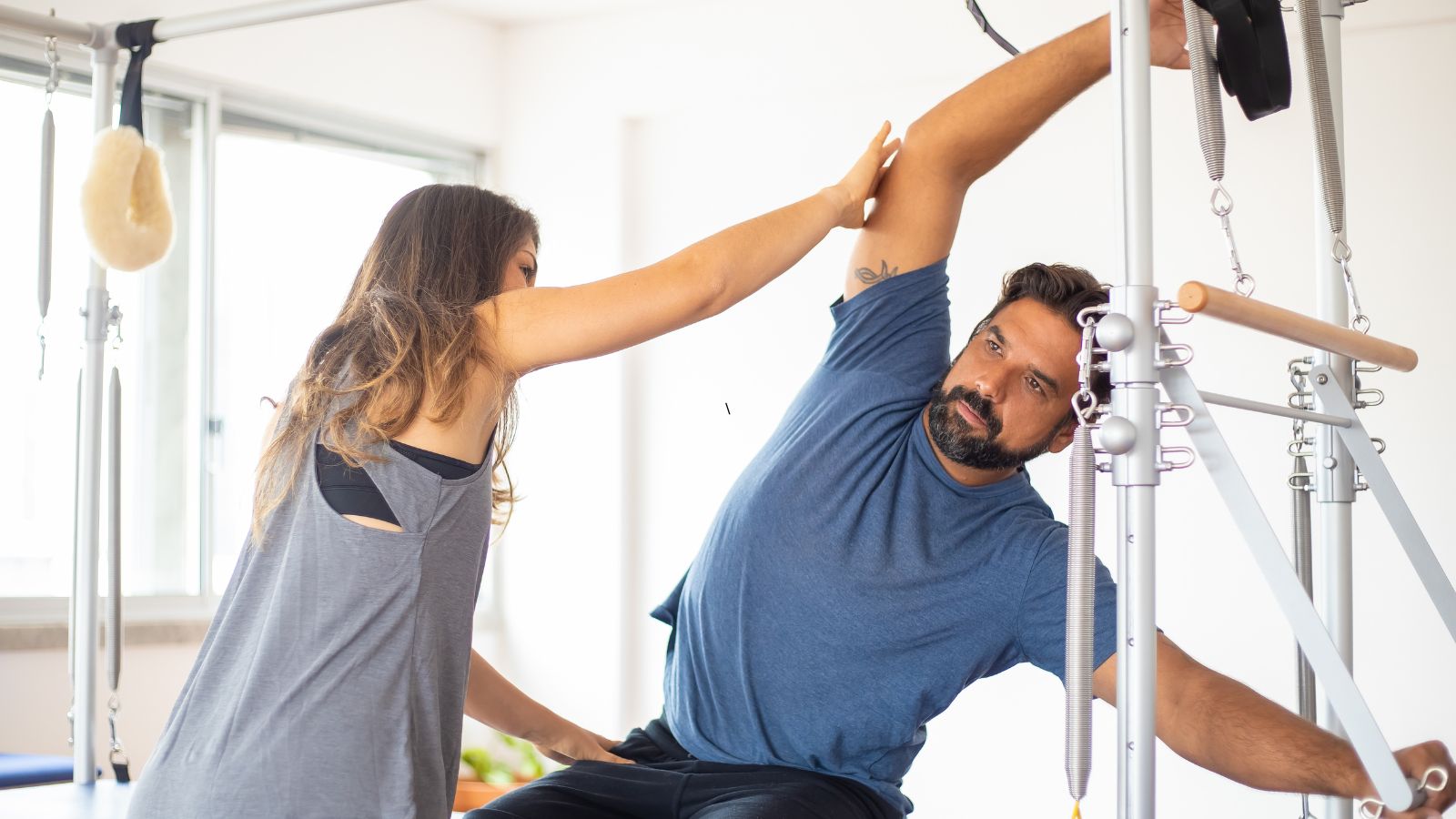
Beginner strength training: A Simple Starter Guide is designed to help anyone who wants to build strength, improve fitness, and develop healthy exercise habits. Strength training is one of the most effective forms of exercise because it increases muscle mass, strengthens bones, boosts metabolism, and improves overall physical performance. Whether your goal is weight loss, muscle growth, or better health, beginning with the right approach can make your fitness journey safer and more enjoyable.
Many beginners feel intimidated by gyms, complicated workout plans, or heavy weights. The good news is that strength training does not have to be complicated. By learning proper technique, following a structured routine, and progressing gradually, anyone can achieve noticeable improvements in strength and confidence while reducing the risk of injury.
Table of Contents
ToggleWhat Is Beginner Strength Training?
Strength training is a form of exercise that challenges your muscles against resistance, encouraging them to become stronger over time. Resistance can come from body weight, resistance bands, dumbbells, barbells, or gym machines. For beginners, the focus should be on mastering movement patterns before increasing weight or workout intensity.
Unlike cardiovascular exercise, strength training helps preserve and build lean muscle tissue while improving bone density and joint stability. It also supports better posture, balance, and coordination, making everyday activities easier and reducing the likelihood of injuries as you become more active.
Benefits of Strength Training for Beginners
One of the biggest advantages of strength training is improved muscle strength and endurance. As your muscles become stronger, daily tasks such as carrying groceries, climbing stairs, and lifting objects become easier. Increased muscle mass also supports a healthier metabolism, helping your body burn more calories even while resting.
Strength training also provides significant mental health benefits. Regular exercise helps reduce stress, improves mood, and boosts self-confidence. Seeing steady improvements in strength encourages motivation and creates positive habits that often extend to other aspects of a healthy lifestyle.
Essential Equipment to Get Started
You do not need expensive equipment to begin strength training. Bodyweight exercises such as squats, push-ups, lunges, and planks provide an excellent foundation for building strength. As you gain experience, simple equipment like resistance bands, adjustable dumbbells, or kettlebells can add variety and increase training intensity.
If you prefer exercising at a gym, beginner-friendly machines offer guided movement patterns that help you learn proper form safely. Comfortable athletic shoes, breathable clothing, and a reusable water bottle are also important for maintaining comfort and hydration during workouts.
Basic Strength Training Exercises
Compound exercises should form the foundation of every beginner program because they work multiple muscle groups at the same time. Squats strengthen the legs and glutes, push-ups develop the chest and arms, rows target the back, and overhead presses improve shoulder strength. These movements build functional strength while improving coordination and balance.
Core exercises such as planks and bird dogs strengthen the muscles that support your spine and improve stability during other exercises. Practicing these movements with controlled technique creates a strong foundation before progressing to heavier resistance or more advanced exercises.
Creating Your First Workout Routine
A beginner strength training program should focus on consistency rather than complexity. Performing full-body workouts two or three times per week allows each major muscle group to receive adequate training while providing enough recovery time between sessions. Rest days are important because muscles grow stronger during recovery.
Begin each workout with a proper warm-up and finish with gentle stretching to improve flexibility and reduce muscle tightness. As your strength improves, gradually increase repetitions, resistance, or the number of sets to continue making progress while maintaining good form.
Proper Technique and Safety Tips
Correct technique is more important than lifting heavy weights. Controlled movements help activate the intended muscles while reducing stress on joints and connective tissues. Maintain good posture, engage your core, and avoid rushing through repetitions. Quality movement produces better long-term results than poor technique with excessive weight.
Listening to your body is equally important. Mild muscle soreness is normal when beginning a new programme, but sharp pain should never be ignored. Progress gradually and allow sufficient recovery time to minimise the risk of overuse injuries and burnout.
Nutrition and Recovery for Muscle Growth
Nutrition plays a major role in supporting strength training results. Consuming adequate protein helps repair and build muscle tissue, while carbohydrates provide energy for workouts and recovery. Healthy fats contribute to hormone production and overall health, making a balanced diet essential for long-term progress.
Sleep is another key factor in muscle recovery. Most adults should aim for seven to nine hours of quality sleep each night. Staying hydrated and managing stress also improve recovery, helping your body adapt more effectively to regular strength training sessions.
Staying Motivated and Tracking Progress
Building strength is a gradual process that requires patience and consistency. Setting realistic goals helps maintain motivation while allowing you to celebrate small achievements along the way. Recording your workouts, including exercises, repetitions, and resistance used, provides clear evidence of progress over time.
Avoid comparing your journey with others because everyone progresses at a different pace. Focus on becoming stronger than you were the previous week rather than chasing unrealistic expectations. Consistency, discipline, and proper technique will always produce better long-term results than quick fixes.
Conclusion
Beginner strength training: A Simple Starter Guide provides the foundation needed to build strength safely and effectively. By learning proper technique, choosing basic compound exercises, following a structured routine, and increasing resistance gradually, beginners can develop stronger muscles, improve fitness, and enjoy lasting health benefits.
Success in strength training comes from consistency rather than perfection. Combine regular exercise with balanced nutrition, quality sleep, and sufficient recovery to maximize your results. With patience and dedication, strength training can become a lifelong habit that supports better physical health, increased confidence, and improved overall well-being.
FAQs
What is the best strength training routine for beginners?
A full-body workout performed two to three times per week is ideal because it trains all major muscle groups while allowing enough recovery time.
How long should a beginner strength workout last?
Most beginner sessions last between 30 and 60 minutes, including a warm-up and cool-down.
Do I need to lift heavy weights to build strength?
No. Beginners can make excellent progress using bodyweight exercises or light resistance while focusing on proper technique.
How many repetitions should beginners perform?
Most beginners benefit from performing 8 to 12 repetitions for each exercise while maintaining good form throughout every set.
Can strength training help with weight loss?
Yes. Strength training builds lean muscle, boosts metabolism, and supports fat loss when combined with a healthy, balanced diet.
Should beginners train every day?
No. Training two or three days each week with recovery days between sessions allows muscles enough time to repair and grow stronger.
What should I eat after strength training?
A balanced meal containing lean protein, healthy carbohydrates, and vegetables supports muscle recovery and replenishes energy stores.
How long does it take to see strength gains?
Many beginners notice improvements in strength within four to six weeks, while visible muscle development typically becomes more noticeable after two to three months of consistent training.
