
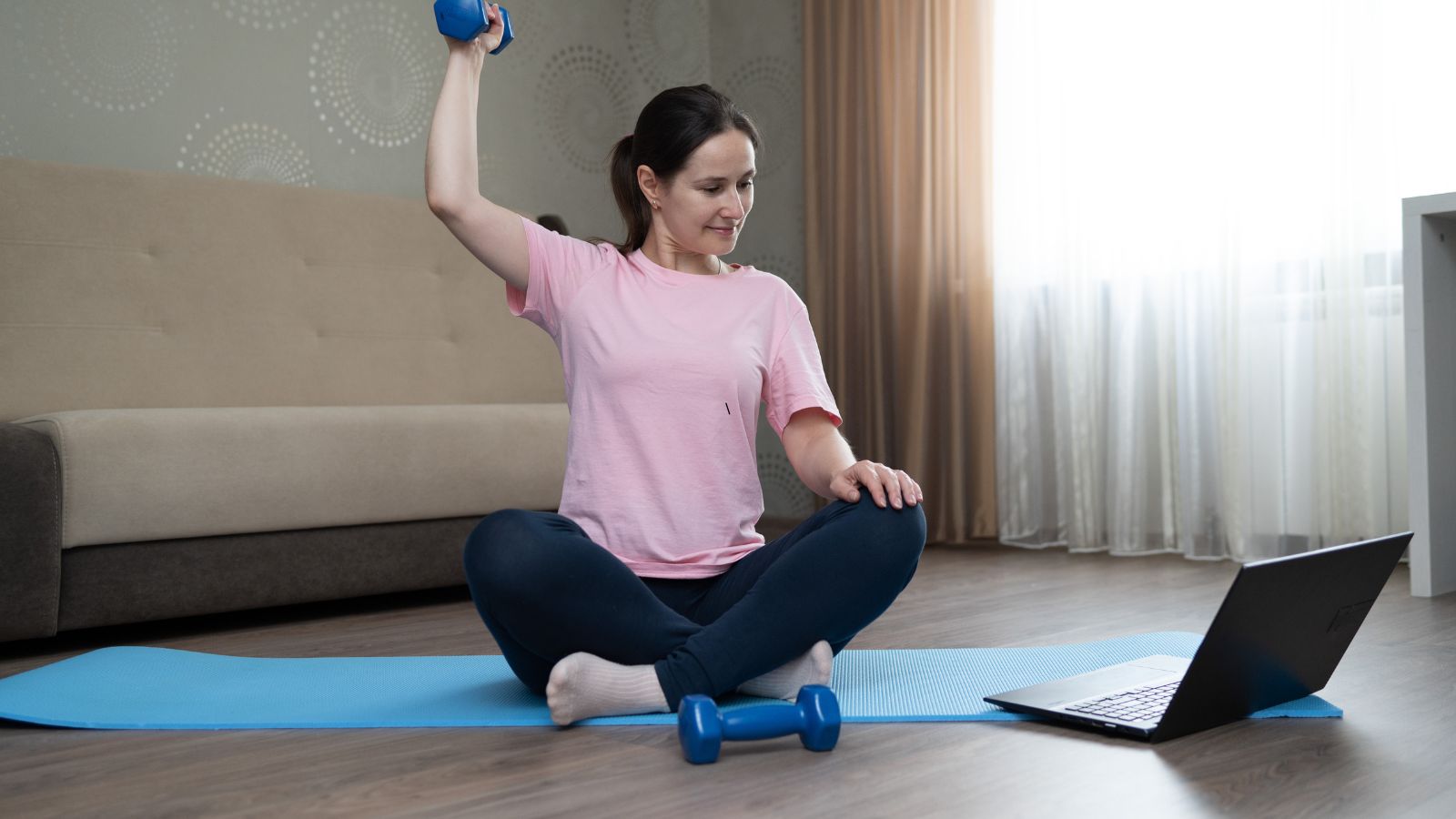
20 minute home workout: Do This Home Workout! is the perfect solution for anyone who wants to stay fit despite having a busy schedule. You do not need expensive gym memberships, complicated equipment, or hours of free time to achieve your fitness goals. A well-designed 20-minute workout can improve strength, increase endurance, burn calories, and boost your energy levels while fitting easily into your daily routine.
Home workouts have become increasingly popular because they offer convenience and flexibility. Whether you are a beginner starting your fitness journey or someone looking to maintain an active lifestyle, dedicating just twenty minutes a day can produce noticeable improvements in your physical health and overall well-being. This guide explains how to perform an effective home workout and maximize your results.
Table of Contents
ToggleWhy a 20-Minute Home Workout Is Effective
A short workout does not mean a less effective workout. High-quality exercises performed with proper intensity can elevate your heart rate, strengthen muscles, and improve cardiovascular fitness in a relatively short amount of time. Compound movements that engage multiple muscle groups help maximise calorie burn while developing functional strength for everyday activities.
Another advantage of a twenty-minute routine is consistency. Many people struggle to commit to lengthy exercise sessions, but shorter workouts are easier to maintain. When you consistently exercise several times each week, the cumulative benefits become significant, leading to better fitness and long-term health improvements.
Benefits of Doing This Home Workout
A full-body home workout strengthens your legs, chest, back, shoulders, arms, and core while improving balance and coordination. These exercises enhance muscular endurance and support better posture, making daily activities easier and reducing the risk of injuries caused by weak or inactive muscles.
Regular exercise also benefits mental health. Physical activity stimulates the release of endorphins, which naturally improve mood and reduce stress. Many people notice increased focus, better sleep quality, and higher energy levels after consistently following a home workout routine.
Warm Up Before You Begin
Preparing your body before exercise improves performance and reduces injury risk. Spend five minutes performing light activities such as marching in place, jumping jacks, high knees, or gentle jogging. These movements gradually increase your heart rate while improving blood flow to working muscles.
Follow your light cardio with dynamic stretches for your shoulders, hips, legs, and back. Controlled arm circles, leg swings, hip rotations, and torso twists improve mobility and prepare your joints for the exercises that follow. A proper warm-up creates a smoother and safer workout experience.
Complete a 20-Minute Home Workout Routine
Begin with bodyweight squats to activate your lower body and improve leg strength. Continue with push-ups to target your chest, shoulders, and triceps before moving into alternating lunges to strengthen your legs while improving balance. Add mountain climbers to elevate your heart rate and engage your core, then finish the circuit with planks to strengthen your abdominal muscles and improve stability.
Perform each exercise for forty seconds followed by twenty seconds of rest before moving to the next movement. Repeat the circuit four times to complete a full twenty-minute workout. Maintain controlled movements and proper technique throughout the session to maximise results while reducing unnecessary strain on your joints.
Proper Technique Matters
Correct exercise form is more important than performing a high number of repetitions. Maintaining a neutral spine, engaging your core, and moving through a full range of motion ensures each exercise targets the intended muscles effectively. Good technique also reduces the likelihood of developing poor movement habits or sustaining injuries.
Avoid rushing through exercises simply to complete more repetitions. Slow, controlled movements improve muscle activation and help you develop strength more efficiently. Focusing on quality rather than speed creates better long-term fitness results.
Common Workout Mistakes to Avoid
One of the most common mistakes is skipping the warm-up because of limited time. Beginning intense exercise without preparing your muscles increases injury risk and may reduce workout performance. Spending just a few minutes warming up creates a safer and more productive session.
Another frequent mistake is performing the same routine without progression. As your body adapts, gradually increase exercise duration, repetitions, or intensity to continue improving. Neglecting recovery, hydration, or proper nutrition can also limit your progress despite consistent training.
Nutrition and Recovery After Exercise
Your body requires proper nutrition after exercise to repair muscles and restore energy. A balanced meal containing lean protein, healthy carbohydrates, and vegetables supports recovery while preparing your body for future workouts. Drinking enough water throughout the day also helps maintain hydration and muscle function.
Recovery extends beyond nutrition. Quality sleep allows your muscles to repair and grow stronger after exercise. Including one or two rest days each week prevents overtraining while supporting consistent long-term progress. Gentle stretching after workouts may also reduce muscle tightness and improve flexibility.
Staying Motivated With Home Workouts
Building a regular exercise habit begins with setting realistic goals that fit your lifestyle. Scheduling your workouts at the same time each day increases consistency and helps establish a routine. Even on busy days, committing to just twenty minutes keeps your momentum moving forward.
Tracking your workouts provides valuable motivation. Recording completed sessions, personal achievements, or increased repetitions allows you to see measurable progress over time. Celebrating small improvements encourages continued effort and reinforces healthy habits that support lasting fitness success.
Conclusion
A 20 minute home workout: Do This Home Workout! proves that effective fitness does not require expensive equipment or long hours at the gym. By combining compound bodyweight exercises with proper technique, consistent effort, and gradual progression, you can strengthen your entire body, improve cardiovascular fitness, and burn calories from the comfort of your home.
Success comes from maintaining consistency, eating nutritious foods, staying hydrated, and allowing adequate recovery between workouts. Commit to just twenty minutes several times each week, and you will build strength, improve endurance, and create a healthier lifestyle that delivers lasting results.
FAQs
Is a 20-minute home workout enough?
Yes. A well-planned twenty-minute workout can improve strength, cardiovascular fitness, and calorie burning when performed consistently and with good intensity.
Can beginners follow this workout?
Absolutely. Beginners can modify exercises, reduce intensity, and gradually build strength before progressing to more challenging variations.
Do I need equipment?
No. This workout uses bodyweight exercises, making it suitable for people who want to exercise at home without purchasing equipment.
How many times a week should I do this workout?
Training three to five times each week provides excellent results while allowing enough recovery between sessions.
Can this workout help with weight loss?
Yes. Combined with a balanced calorie-controlled diet, regular home workouts support fat loss by increasing calorie expenditure and preserving muscle.
Should I stretch after exercising?
Yes. Gentle stretching after your workout helps improve flexibility, reduce muscle tightness, and support recovery.
What should I eat after the workout?
A meal containing lean protein, healthy carbohydrates, and vegetables supports muscle recovery and replenishes energy stores after exercise.
How soon will I notice results?
With consistent training, proper nutrition, and adequate recovery, many people begin noticing improvements in strength, endurance, and overall fitness within four to eight weeks.
