
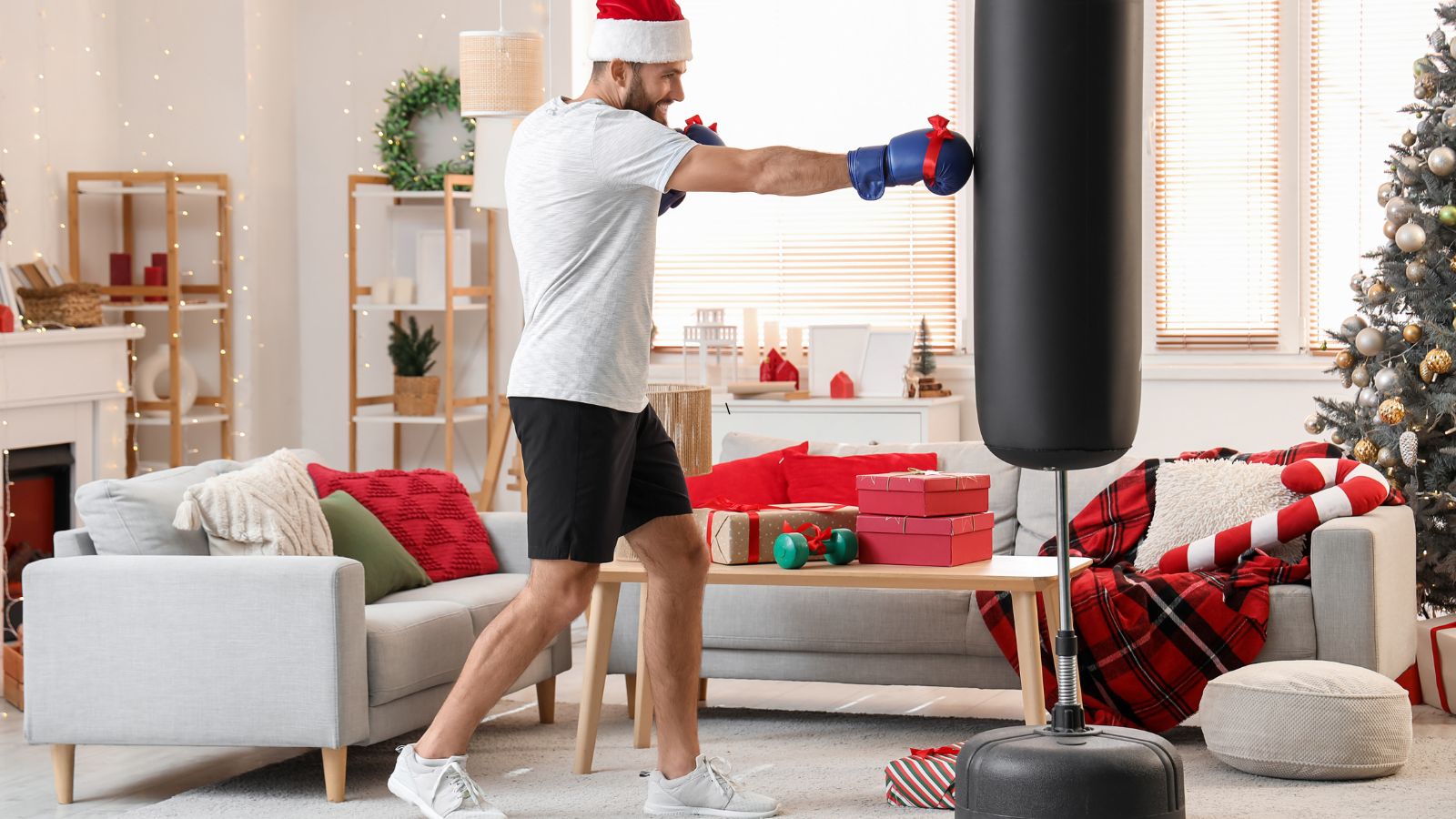
At home boxing workout no equipment: 20-Minute Home Boxing Workout is an excellent way to improve cardiovascular fitness, burn calories, and build total-body strength without stepping into a gym. Boxing workouts combine fast-paced movements, powerful punches, footwork, and core engagement to create a highly effective exercise routine. The best part is that you don’t need gloves, punching bags, or expensive equipment to enjoy the benefits.
Whether you are a beginner looking to get active or an experienced athlete wanting to improve endurance, a bodyweight boxing workout can fit into your daily schedule. A well-structured 20-minute session challenges your entire body, increases coordination, and enhances mental focus while providing an enjoyable alternative to traditional cardio workouts.
Table of Contents
ToggleWhy Choose an At Home Boxing Workout No Equipment
A boxing workout performed at home offers convenience and flexibility while delivering impressive fitness results. Shadowboxing and bodyweight exercises activate your upper body, lower body, and core simultaneously, making every minute productive. Because multiple muscle groups work together, you burn calories efficiently while improving overall conditioning.
Training at home also removes common obstacles such as expensive memberships, travel time, and crowded fitness centres. You can complete your workout in a small living space whenever it fits your schedule. This convenience makes it easier to stay consistent and develop a long-term exercise habit.
Benefits of a 20-Minute Home Boxing Workout
A short boxing session can significantly improve cardiovascular health by keeping your heart rate elevated throughout the workout. Continuous movement strengthens the heart, increases lung capacity, and enhances endurance, allowing you to perform physical activities with less fatigue over time.
Boxing also develops coordination, balance, speed, and agility. Throwing punches while moving your feet requires concentration and body control, helping improve reaction time and overall athletic performance. At the same time, the repetitive twisting movements strengthen the core and promote better posture.
Warm-Up Before You Start
A proper warm-up prepares your muscles and joints for the fast-paced movements involved in boxing. Begin with light jogging in place, jumping jacks, or high knees for three to five minutes to increase blood flow and gradually raise your heart rate. Follow this with arm circles, shoulder rolls, hip rotations, and gentle dynamic stretches.
Preparing your body before exercise improves mobility and reduces the risk of injury. Warming up also helps you move more efficiently during shadowboxing, allowing punches and footwork to feel smoother and more controlled throughout the workout.
Complete 20-Minute Home Boxing Workout
Start with two minutes of light shadowboxing to establish rhythm and loosen your body. Continue with one minute each of jabs, crosses, hooks, and uppercuts while maintaining active footwork. Between punching rounds, perform bodyweight exercises such as squats, push-ups, mountain climbers, and jumping lunges to increase intensity and build muscular endurance.
Repeat the circuit until you reach twenty minutes, maintaining steady movement while focusing on proper technique. Keep your hands up, engage your core, and breathe consistently throughout each round. As your fitness improves, increase punching speed or reduce rest periods to continue challenging your body.
Proper Boxing Technique for Better Results
Effective punching begins with proper stance and body positioning. Keep your feet shoulder-width apart, bend your knees slightly, and stay light on your toes. Rotate your hips and shoulders during punches rather than relying only on arm strength. This technique generates more power while protecting your joints from unnecessary strain.
Maintaining a strong guard is equally important. Keep your hands near your face and return them quickly after every punch. Controlled breathing and balanced footwork improve endurance while helping you move efficiently during every combination.
Common Mistakes to Avoid
Many beginners throw punches using only their arms instead of engaging their entire body. Proper boxing technique requires coordinated movement from the legs, hips, core, and shoulders to generate maximum power and maintain balance. Ignoring footwork also limits performance and reduces workout effectiveness.
Another common mistake is sacrificing technique for speed. Fast punches performed with poor form increase injury risk and reduce muscle activation. Focus on accuracy, posture, and controlled movement before gradually increasing intensity as your skills improve.
Nutrition and Recovery After Boxing
After completing your boxing workout, consume a balanced meal containing lean protein and healthy carbohydrates to support muscle recovery and restore energy levels. Foods such as grilled chicken, eggs, Greek yogurt, brown rice, oats, and fresh fruit provide essential nutrients that help your body recover more efficiently.
Hydration is equally important because boxing workouts can produce significant sweating. Drinking enough water before, during, and after exercise helps regulate body temperature, supports muscle function, and reduces fatigue. Adequate sleep and recovery days also allow your body to adapt and become stronger over time.
Staying Consistent With Your Boxing Routine
Consistency is the key to improving fitness and boxing skills. Scheduling regular workouts throughout the week helps establish healthy habits while allowing gradual improvements in endurance, strength, and coordination. Even short twenty-minute sessions can produce impressive results when performed consistently.
Tracking your progress provides additional motivation. Recording workout duration, punch combinations, or perceived effort helps you measure improvement over time. Setting realistic goals and celebrating small achievements encourages long-term commitment and continued success.
Conclusion
An at-home boxing workout with no equipment: 20-Minute Home Boxing Workout provides an effective way to improve cardiovascular fitness, strengthen muscles, burn calories, and develop better coordination without purchasing expensive equipment. Combining shadowboxing with bodyweight exercises creates a full-body workout suitable for nearly every fitness level.
Success comes from consistency, proper technique, balanced nutrition, and adequate recovery. By dedicating just twenty minutes several times each week, you can improve your endurance, increase strength, reduce body fat, and enjoy the physical and mental benefits that boxing-style training has to offer.
FAQs
Is a home boxing workout effective without equipment?
Yes. Shadowboxing combined with bodyweight exercises provides an excellent cardiovascular and strength workout while improving coordination and endurance.
How many calories can a 20-minute boxing workout burn?
Depending on your body weight and workout intensity, you may burn approximately 200 to 400 calories during a vigorous twenty-minute session.
Can beginners perform this workout?
Absolutely. Beginners can start at a comfortable pace and gradually increase speed, intensity, and workout duration as their fitness improves.
Do I need boxing gloves for shadowboxing?
No. Shadowboxing can be performed safely without gloves because there is no physical contact with equipment or opponents.
How often should I do a boxing workout?
Training three to five times per week allows steady progress while giving your body enough time to recover between sessions.
Will boxing help with weight loss?
Yes. Boxing workouts burn calories, improve cardiovascular fitness, and support fat loss when combined with a healthy, balanced diet.
What muscles does boxing work?
Boxing activates the shoulders, chest, arms, back, core, glutes, and legs, making it an excellent full-body workout.
Should I stretch after boxing?
Yes. Gentle stretching after your workout improves flexibility, reduces muscle tightness, and supports recovery for your next training session.
