
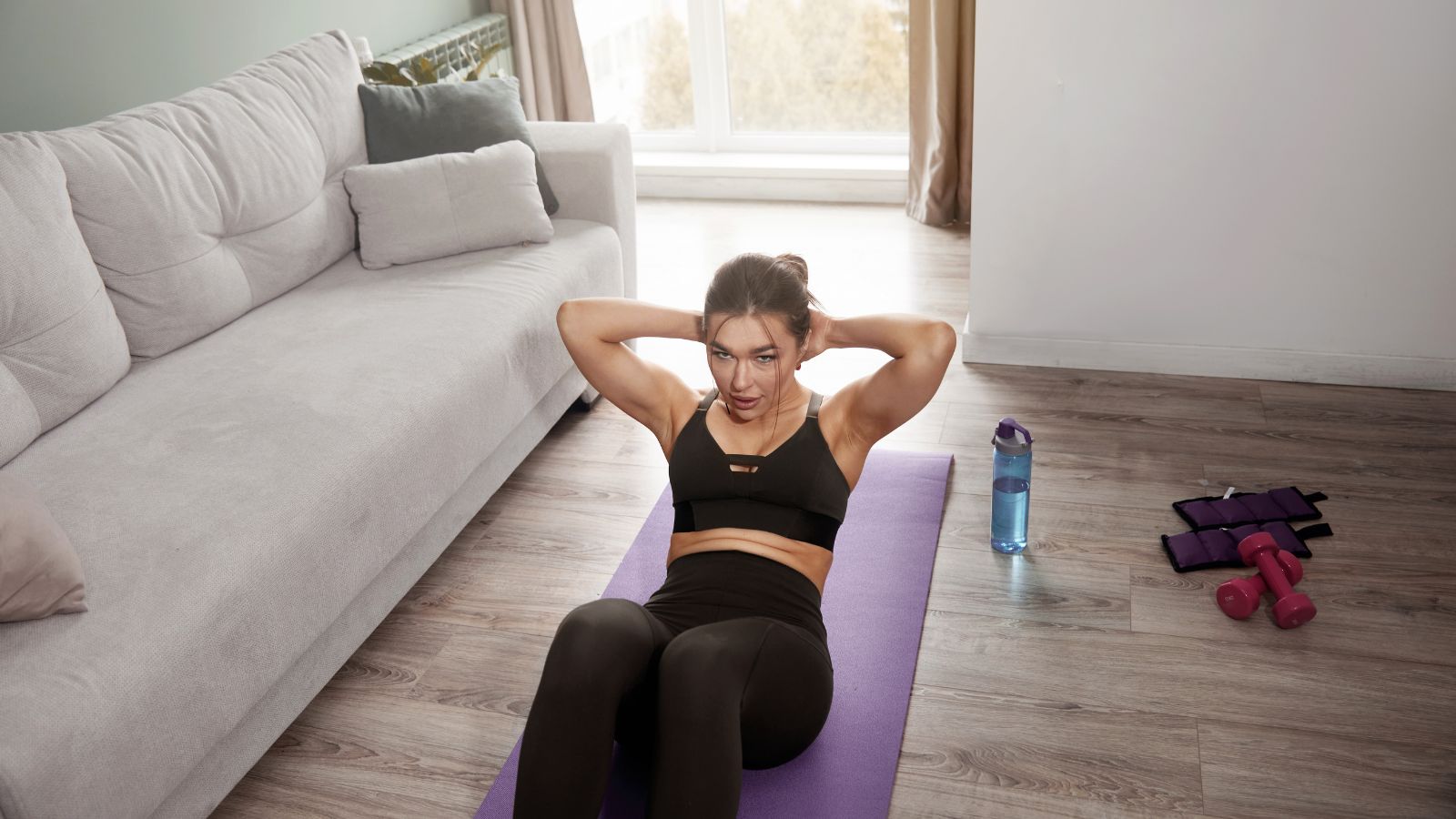
Choosing between Home workout apps vs personal training: What’s Best for You? can be challenging, especially with so many fitness options available today. Technology has made it easier than ever to exercise from home using mobile apps, while personal trainers continue to offer expert guidance and customized coaching. Both approaches can help you achieve your fitness goals, but each has unique advantages and limitations.
Your ideal choice depends on factors such as your budget, fitness experience, schedule, motivation, and long-term objectives. Some people thrive with the flexibility of digital workouts, while others benefit from the accountability and expertise of a certified trainer. This guide compares both options in detail to help you make an informed decision.
Table of Contents
ToggleUnderstanding Home Workout Apps
Home workout apps have become increasingly popular because they provide instant access to thousands of exercise programs. Most apps include video demonstrations, workout plans, progress tracking, and fitness challenges that users can complete anywhere. Whether your goal is weight loss, muscle building, yoga, or cardio fitness, there is likely an app designed to meet your needs.
Another advantage is convenience. You can exercise whenever it fits your schedule without travelling to a gym or booking appointments. Many apps also offer different difficulty levels, allowing beginners and experienced athletes to find suitable workout routines from the comfort of their homes.
Understanding Personal Training
Personal training provides one-on-one guidance from a qualified fitness professional who creates a programme tailored to your goals, abilities, and physical condition. Trainers assess your movement patterns, demonstrate proper exercise technique, and adjust workouts as your fitness improves. This personalised approach often produces faster and safer progress.
A personal trainer also provides motivation and accountability. Scheduled sessions encourage consistency, while immediate feedback helps prevent poor exercise form that could lead to injuries. For people with specific goals, medical conditions, or limited training experience, professional coaching can be especially valuable.
Benefits of Home Workout Apps
One of the biggest advantages of fitness apps is affordability. Compared with ongoing personal training sessions, most apps require only a monthly or annual subscription, making them accessible to a wider range of users. Many even offer free versions with quality workout content for beginners.
Workout apps also provide remarkable flexibility. You can choose different training styles, session lengths, and fitness levels depending on your available time and personal preferences. Progress tracking, reminders, and achievement badges help maintain motivation while making exercise more enjoyable.
Benefits of Personal Training
Personal trainers offer customised coaching that generic workout apps cannot fully replicate. Every programme is designed around your specific goals, whether you want to lose fat, build muscle, improve athletic performance, or recover after an injury. This individual attention often leads to more efficient and measurable progress.
Another major advantage is real-time correction. Trainers observe your movement during every exercise and provide immediate adjustments to improve technique. Correct form not only maximises results but also significantly reduces the likelihood of exercise-related injuries.
Comparing Cost and Value
Cost is one of the most noticeable differences between these two options. Home workout apps are generally inexpensive, making them attractive for people with limited budgets. A single subscription often provides access to hundreds of workouts, nutrition advice, and progress-tracking tools at a fraction of the cost of personal coaching.
Personal training requires a larger financial investment because you pay for professional expertise and individual attention. While more expensive, many people find the value worthwhile due to faster progress, greater accountability, and highly personalised fitness programmes that adapt as goals change.
Motivation and Accountability
Maintaining motivation is often easier with a personal trainer because scheduled appointments create a sense of responsibility. Trainers encourage consistency, celebrate progress, and provide support during difficult periods when motivation naturally decreases. This accountability helps many people remain committed to their long-term fitness goals.
Workout apps rely more heavily on self-discipline. Although reminders, notifications, and virtual challenges encourage regular exercise, users must remain personally motivated to complete sessions consistently. People who already enjoy independent training often succeed with digital fitness platforms.
Which Option Is Best for Different Fitness Goals?
Beginners frequently benefit from personal training because learning proper exercise technique early reduces injury risk while building confidence. Individuals recovering from injuries or managing medical conditions may also require personalised guidance that only a qualified trainer can provide. Athletes pursuing highly specific performance goals often benefit from customised coaching and expert feedback.
Home workout apps are ideal for individuals seeking convenience, affordability, and flexible scheduling. Busy professionals, frequent travellers, and experienced exercisers who already understand correct exercise form can achieve excellent results using high-quality fitness apps. Many people also combine both options by learning from a trainer initially before continuing independently with app-based workouts.
Making the Right Decision
Selecting between home workout apps and personal training ultimately depends on your personal circumstances. Consider your budget, available time, preferred learning style, and the level of support you need. There is no universally perfect solution because every individual responds differently to various forms of fitness guidance.
You should also remember that consistency matters more than the specific method you choose. Whether you exercise using a mobile app or work closely with a trainer, regular physical activity, balanced nutrition, and proper recovery remain the foundation of long-term fitness success.
Conclusion
The comparison between Home workout apps vs personal training: What’s Best for You? comes down to balancing convenience, cost, and personal support. Workout apps provide flexibility, affordability, and a wide variety of exercise programmes, making them an excellent choice for self-motivated individuals. Personal trainers offer customised coaching, expert guidance, and accountability that can accelerate progress and improve exercise safety.
Both approaches can produce outstanding results when combined with consistency and healthy lifestyle habits. Evaluate your fitness goals, budget, and motivation level before making your decision. Whichever path you choose, staying committed to regular exercise will have the greatest impact on your long-term health and wellbeing.
FAQs
Are home workout apps effective?
Yes. High-quality fitness apps can improve strength, endurance, flexibility, and overall fitness when used consistently with proper exercise technique.
Is personal training worth the cost?
For many people, yes. Personal trainers provide customised programmes, accountability, and expert guidance that often lead to faster and safer results.
Which option is better for beginners?
Personal training is generally better for beginners because it teaches proper exercise form and creates a personalised fitness plan.
Can I lose weight using workout apps?
Absolutely. Combined with a healthy diet, regular app-based workouts can support effective and sustainable weight loss.
Do personal trainers create nutrition plans?
Many certified trainers provide general nutrition guidance, although detailed meal planning may require a registered dietitian depending on local regulations.
Can I combine both options?
Yes. Many people work with a trainer initially to learn proper techniques and later continue using workout apps for ongoing fitness.
Which option offers better flexibility?
Home workout apps provide greater flexibility because you can exercise whenever and wherever it suits your schedule.
What is the most important factor for success?
Consistency is the key to success. Whether you choose a fitness app or a personal trainer, regular exercise, balanced nutrition, and adequate recovery determine your long-term results.
