

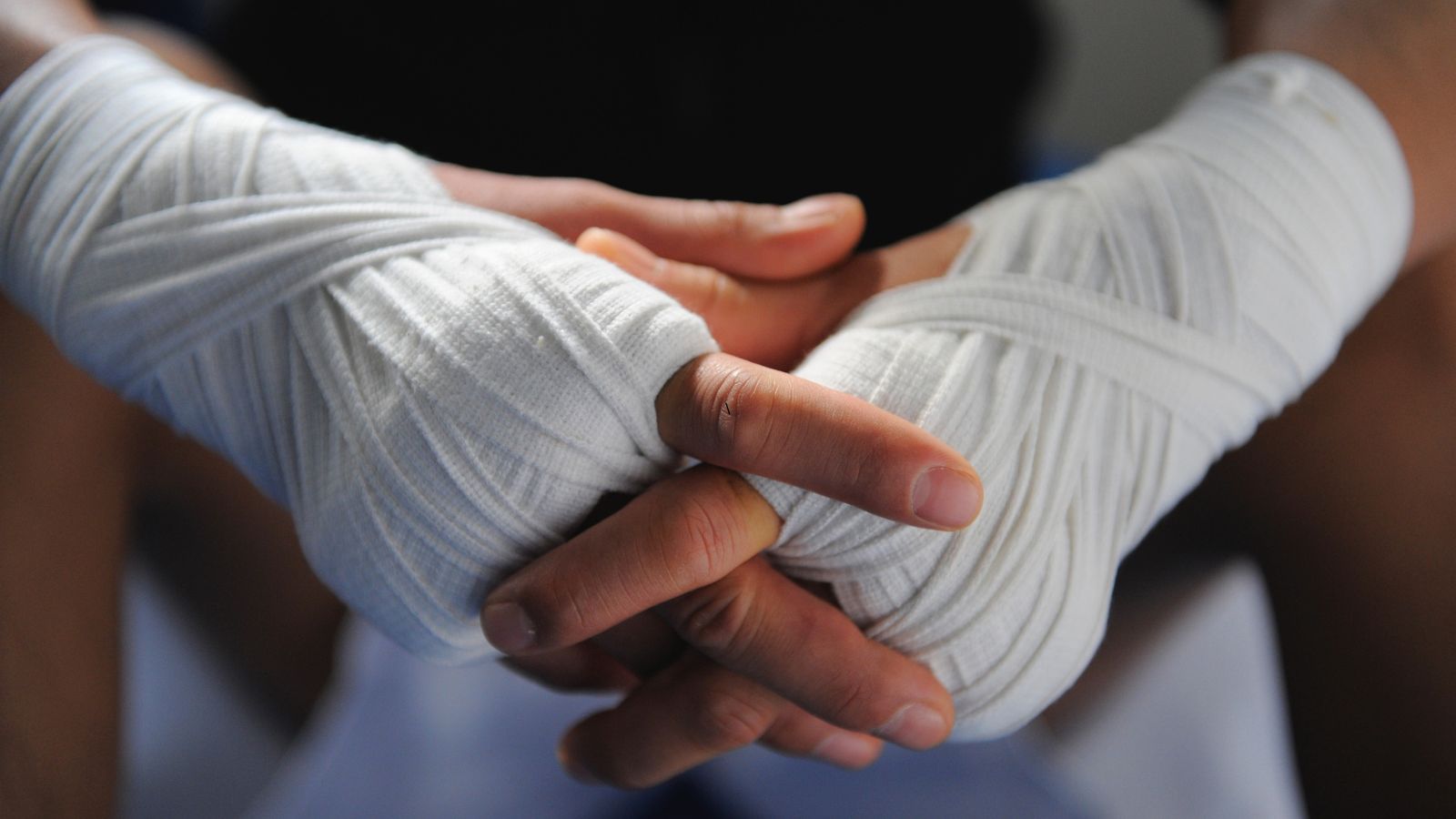
How to wrap hands for boxing: A Step-by-Step Guide for Beginners is an essential topic for anyone starting their boxing journey. Proper hand wrapping protects the small bones, tendons, ligaments, and joints in your hands while providing additional support to your wrists during training. Whether you practice boxing for fitness, self-defense, or competition, learning the correct wrapping technique helps prevent injuries and improves confidence when throwing punches.
Many beginners underestimate the importance of hand wraps and often skip this step before training. However, repeated impact from punching bags, focus mitts, or sparring can place significant stress on your hands and wrists. Using hand wraps correctly creates a secure foundation that allows you to train harder while reducing the risk of common boxing injuries.
Why Learning How to Wrap Hands for Boxing Matters
Your hands contain numerous small bones that are vulnerable to injury during repetitive punching. Without proper support, even light training sessions can cause discomfort, bruising, or wrist strain. Hand wraps stabilize these structures, keeping your hands aligned and reducing unnecessary movement during impact.
Wrapping your hands also improves comfort inside boxing gloves. A well-wrapped hand fits more securely, preventing excessive movement that can cause friction and blisters. This additional stability allows you to focus on improving technique rather than worrying about discomfort or injury.
Choosing the Right Boxing Hand Wraps
Selecting quality hand wraps is the first step toward proper protection. Traditional cotton wraps offer durability and support, while elastic or semi-elastic wraps provide extra flexibility and a snug fit. Most beginners find wraps measuring between 180 and 200 inches ideal because they provide enough length to protect the wrists, knuckles, and fingers.
Hand wraps are available in various colors and materials, but comfort and support should always be your priority. Choose wraps made from breathable fabric that absorbs sweat and remains comfortable throughout your training session. Washing them regularly also helps maintain hygiene and extends their lifespan.
Preparing Your Hands Before Wrapping
Before applying hand wraps, ensure your hands are clean and completely dry. Remove rings, watches, or bracelets that could interfere with the wrapping process or create pressure points inside your gloves. Straighten your fingers and spread them naturally to create a comfortable position before beginning.
Locate the thumb loop at one end of the wrap and identify the rolled direction so it unwraps smoothly as you work. Keeping consistent tension throughout the process is important because wraps that are too tight may restrict circulation, while loose wraps fail to provide adequate support.
Step-by-Step Guide to Wrapping Your Hands
Begin by placing the thumb loop over your thumb with the wrap extending across the back of your hand. Wrap around your wrist several times to create a stable base that supports wrist movement during punches. Continue wrapping diagonally across the back of the hand before circling around the knuckles to provide cushioning against repeated impact.
Next, guide the wrap between your fingers to separate and stabilise the hand structure. Return the wrap around the wrist after each pass between the fingers to maintain support. Finish by securing additional layers around the wrist and fastening the hook-and-loop closure firmly. The wrap should feel secure without causing numbness or restricting finger movement.
Common Mistakes Beginners Should Avoid
One of the most common mistakes is wrapping too tightly. Excessive pressure can reduce blood circulation, causing numbness, tingling, or discomfort during training. On the other hand, wrapping too loosely provides little protection, allowing the hand to shift inside the glove and increasing the risk of injury.
Another frequent mistake is neglecting wrist support. Many beginners focus only on the knuckles while forgetting that the wrist absorbs considerable force during punches. Failing to wrap between the fingers properly is another error that reduces stability and allows unnecessary movement within the hand.
Checking Your Hand Wrap Before Training
After finishing the wrap, make a fist several times to ensure it feels natural and comfortable. Your fingers should move freely without excessive tightness, while your wrist should feel supported and stable. If you experience numbness or noticeable discomfort, remove the wrap and apply it again with more balanced tension.
Put on your boxing gloves and perform a few light punches in the air before beginning your workout. This simple test confirms that the wrap remains secure and provides the protection needed for training. Taking a few extra minutes to check your hand wraps can prevent injuries during more intense sessions.
Caring for Your Boxing Hand Wraps
Proper care helps maintain both hygiene and durability. Wash your hand wraps after every training session because they absorb sweat and bacteria during workouts. Using a mesh laundry bag prevents tangling and helps preserve the fabric during machine washing.
Allow the wraps to air dry completely before rolling them neatly for storage. Avoid putting damp wraps into your gym bag because trapped moisture can create unpleasant odours and encourage bacterial growth. Well-maintained hand wraps remain comfortable and effective for many months of regular use.
Tips for Safe and Effective Boxing Training
Learning to wrap your hands correctly is only one part of safe boxing practice. Always use properly fitted boxing gloves that complement your hand wraps and provide sufficient padding for your training style. Focus on correct punching technique rather than relying solely on power, as good mechanics reduce unnecessary stress on your hands and wrists.
Gradually increase training intensity as your skills and conditioning improve. Include adequate warm-ups, stretching, and recovery days within your routine to support long-term progress. Consistent attention to safety allows you to enjoy boxing while minimizing the risk of preventable injuries.
Conclusion
Understanding how to wrap hands for boxing: A Step-by-Step Guide for Beginners is one of the most valuable skills every boxer should master. Proper hand wrapping protects your wrists, knuckles, fingers, and small hand bones while improving comfort inside your boxing gloves. Taking a few minutes before each workout significantly reduces injury risk and enhances overall training performance.
As you continue your boxing journey, make hand wrapping a consistent part of your routine. Combined with quality gloves, proper technique, balanced training, and regular recovery, correctly wrapped hands provide the support needed to train safely, improve confidence, and develop stronger boxing skills over time.
FAQs
Why should I wrap my hands before boxing?
Hand wraps protect your knuckles, fingers, and wrists while reducing the risk of injuries caused by repeated punching.
How long should boxing hand wraps be?
Most adults use wraps between 180 and 200 inches because they provide enough material to support the wrists, knuckles, and fingers.
Can I use boxing gloves without hand wraps?
Although possible, it is not recommended because hand wraps provide essential support and help protect your hands from impact-related injuries.
How tight should hand wraps be?
They should feel secure and supportive without causing numbness, tingling, or restricting normal finger movement.
How often should I wash my hand wraps?
Wash your hand wraps after every training session to remove sweat, bacteria, and unpleasant odours while extending their lifespan.
Are elastic hand wraps better than cotton wraps?
Both are effective. Elastic wraps provide a snug fit, while cotton wraps offer firm support with less stretch.
Do beginners need professional hand wrapping?
No. Beginners can safely wrap their own hands by following the correct technique and practising consistently before each workout.
Can improper hand wrapping cause injuries?
Yes. Loose wraps provide insufficient support, while overly tight wraps restrict circulation. Learning the proper wrapping method helps prevent both problems.
