
Are you ready to sculpt those arms and shoulders without stepping foot in a gym? An upper body workout at home is not only convenient but also incredibly effective for toning and strengthening your upper body muscles. Whether you’re looking to boost your confidence during tank top season or simply want to enhance your overall fitness, working out at home can fit seamlessly into your lifestyle. With just a few simple exercises, you can achieve the toned look you’ve always wanted while enjoying the comfort of your own space. Let’s dive into everything you need for an energizing upper body routine that will leave you feeling strong and empowered!
Importance of Upper Body Strength
Upper body strength plays a crucial role in our daily lives. It impacts everything from lifting grocery bags to engaging in sports and recreational activities. When your arms, shoulders, and back are strong, everyday tasks become easier.
Building upper body strength also enhances posture. Strong muscles can support your spine better, reducing the risk of discomfort or injury over time. This is especially important for those who spend long hours sitting at desks.
Moreover, having a toned upper body contributes to improved athletic performance. Whether you’re swimming, playing basketball, or even running, strong arms and shoulders help with propulsion and stability.
Additionally, focusing on upper body workouts boosts confidence levels. Toned arms not only look great but also make you feel more powerful when you embrace physical challenges head-on. Prioritizing this aspect of fitness is key to overall well-being and functionality.
What is Upper body workout at home?
An upper body workout at home focuses on strengthening the muscles in your arms, shoulders, chest, and back. It’s an efficient way to tone these areas without needing a gym membership or expensive equipment.
These workouts can include various exercises that utilize your body weight or simple tools like dumbbells. They are versatile and can be easily adapted for different fitness levels.
With just a small space in your living room or backyard, you can sculpt strong arms and defined shoulders. The beauty of at-home workouts is their convenience; you can fit them into any schedule.
Furthermore, they offer privacy and comfort while allowing you to concentrate on form and technique. Whether you’re aiming for strength gains or toning up for aesthetic purposes, an upper body workout at home is both practical and effective.
Equipment Needed for At-Home Workouts
When it comes to an effective upper body workout at home, having the right equipment can make all the difference. You don’t need a full gym; just a few essentials will do.
Dumbbells are versatile and perfect for targeting various muscle groups. A set of light and heavy weights allows you to adjust according to your fitness level.
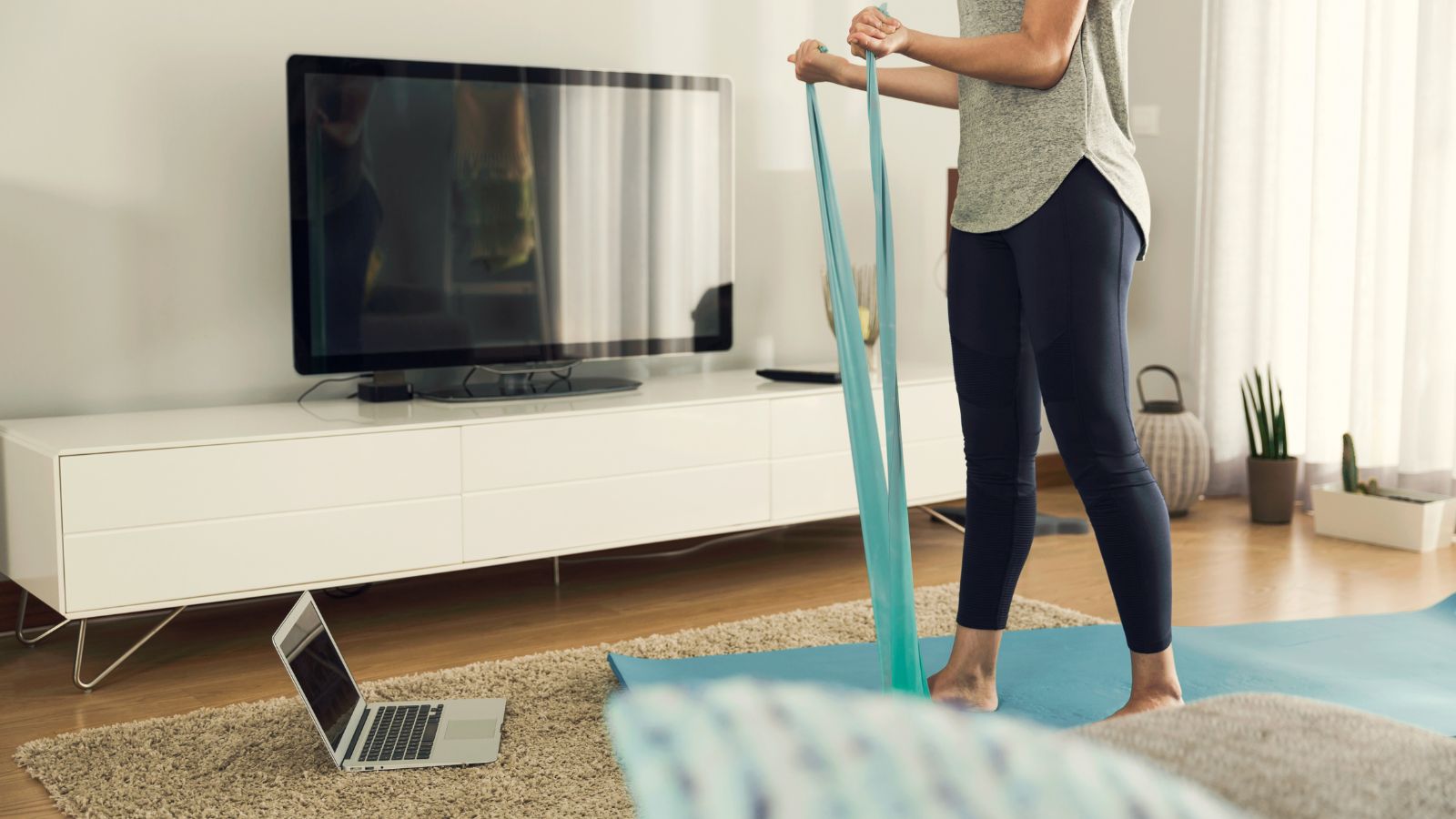
Resistance bands are fantastic for adding intensity without straining your joints. They’re portable, making them ideal for any space in your home.
A sturdy chair or bench is also helpful. It’s great for exercises like tricep dips, which utilize your own body weight effectively. Consider investing in a yoga mat. This provides comfort during floor exercises while helping prevent slipping.
With these simple pieces of equipment, you’ll be well on your way to achieving toned arms and shoulders right from the comfort of home.
Warm-Up Exercises for Arms and Shoulders
Warming up is crucial for preventing injuries and enhancing performance. Start with some dynamic stretches to get your blood flowing.
Arm circles are a great way to loosen up your shoulders. Stand tall, extend your arms out to the sides, and make small circles forward. After about 30 seconds, switch directions.
Next, try shoulder shrugs. Simply lift your shoulders toward your ears and then release them back down. Repeat this motion ten times for optimal results.
Don’t forget wrist rotations too! Extend one arm in front and gently rotate the wrist clockwise and counterclockwise. This helps prepare those joints for any lifting or pushing movements ahead.
Incorporate some light push-ups against a wall or countertop. This engages both arms and shoulders while gradually increasing intensity without overexerting yourself.
Toning Exercises for Arms and Shoulders:
Bicep curls are a staple for building arm strength. Grab some dumbbells or even water bottles if you’re just starting out. Stand tall and curl the weights toward your shoulders, feeling that contraction in your biceps.
Tricep dips target the back of your arms effectively. For this exercise, find a sturdy chair or low table. Position your hands behind you and lower yourself down, then push up to engage those triceps.
Shoulder presses help sculpt those deltoids beautifully. With weights in hand, raise them above your head while keeping your core tight. Lower them slowly for maximum effect; control is key.
Incorporate these exercises into a routine two to three times per week for best results. Make sure to adjust repetitions according to your fitness level quality over quantity matters here!
Bicep Curls
Bicep curls are a classic exercise for building strength in your arms. They primarily target the biceps brachii, the muscle on the front of your upper arm.
To perform this move, stand with feet shoulder-width apart. Hold a dumbbell in each hand, arms fully extended at your sides. Keep your elbows close to your torso as you curl the weights up towards your shoulders.
Control is key here. Avoid swinging or using momentum; focus on squeezing those muscles throughout each repetition.
You can also switch things up by trying different variations such as hammer curls or reverse curls. These alternatives engage additional muscle groups and add variety to your routine.
Aim for three sets of 10-15 repetitions for optimal results. This simple yet effective exercise will not only tone your arms but also enhance overall upper body strength when incorporated into an upper body workout at home.
Tricep Dips
Tricep dips are an excellent exercise for sculpting the back of your arms. They target the triceps, helping to build strength and definition. To perform a tricep dip, find a sturdy chair or bench. Sit on the edge with your hands resting beside you, fingers facing forward. Extend your legs in front of you, keeping feet hip-width apart.
Lower your body by bending at the elbows until they reach about 90 degrees. Keep your back close to the chair as you do this. Push through your palms to lift yourself back up.
Start with two sets of 10-15 reps and adjust based on your fitness level. You can also modify this move by bending your knees for easier variation or adding weight for extra resistance as you progress. Incorporating tricep dips into your upper body workout at home will enhance tone and strength effectively.
Shoulder Press
The shoulder press is a powerhouse exercise for building strength in your shoulders. It’s simple yet effective, making it perfect for at-home workouts.
To perform this move, stand or sit tall with a dumbbell in each hand. Start with the weights at shoulder height, palms facing forward. Engage your core and push the weights overhead until your arms are fully extended.
Focus on controlled movements to maintain proper form. Avoid arching your back; keep everything aligned. Lower the weights back to shoulder level and repeat.
You can modify this exercise by using lighter weights or even household items like water bottles if you’re just starting out. Gradually increase the weight as you gain strength.
Incorporating the shoulder press into your upper body routine will help sculpt toned shoulders while improving stability and posture over time.
Additional Tips for an Effective Upper Body Workout at Home
Stay consistent with your upper body workout at home. Set a schedule that fits into your daily routine. Consistency is key to seeing results.
Focus on proper form during each exercise. This prevents injury and ensures you’re targeting the right muscles effectively. Slow down if needed, and prioritize technique over speed.
Incorporate variety in your workouts to keep things fresh. Alternate exercises weekly or mix in different sets of reps and weights to challenge yourself continually.
Don’t forget about rest days! Muscles need time to recover after a challenging session. Plan active recovery like light stretching or yoga for those off days.
Hydration matters too; drink plenty of water before, during, and after your sessions. It helps maintain energy levels and aids muscle function throughout your workout routine. Listen to your body’s signals. If something feels off or painful, don’t push through it adjust as necessary for safe progress.
Combining with Cardio for a Full Body Workout
Pairing your upper body workout at home with cardio is a game-changer. It elevates your heart rate and maximizes calorie burn, making each session more effective.
Consider jumping jacks or high knees between sets of bicep curls and tricep dips. This keeps the momentum going while targeting different muscle groups. The challenge is invigorating.
You could also opt for a quick jog in place or some mountain climbers. These exercises boost endurance and maintain energy levels throughout your routine.
Incorporating cardio doesn’t have to be complicated. Just 10-15 minutes can make a difference without requiring extra equipment or space.
The beauty lies in its flexibility; you can mix it up based on what feels good that day. Whether it’s dancing, skipping rope, or shadowboxing, there’s no shortage of options to keep things exciting.
Conclusion
Building upper body strength at home is both accessible and rewarding. With just a few simple exercises, you can sculpt toned arms and shoulders without the need for a gym. Consistency is key. Aim to incorporate these workouts into your routine several times a week.
Listening to your body helps prevent injury while promoting growth. Adjust the intensity or repetitions as needed. Remember to stay hydrated throughout your workout sessions. Proper hydration supports muscle function and recovery.
Celebrate every milestone, no matter how small. Each step brings you closer to your fitness goals, making the journey enjoyable. With determination and focus, you’ll see improvements in strength and endurance over time. Your commitment will lead not only to physical changes but also heightened confidence in yourself.
FAQs
What are the benefits of an upper body workout at home?
An upper body workout at home can improve your strength, enhance muscle tone, and boost your overall fitness without requiring a gym membership. It also offers flexibility in scheduling, allowing you to fit exercises into your daily routine whenever it suits you.
Do I need special equipment for these workouts?
While some exercises can be performed with just your body weight, having basic equipment like dumbbells or resistance bands can elevate the intensity of your workout and help target specific muscles more effectively.
How often should I do upper body workouts?
Aim for two to three sessions per week focused on the upper body. This frequency allows adequate recovery time while still challenging your muscles efficiently.
Can beginners perform these toning exercises?
Yes! Many of the suggested exercises can be modified to suit all fitness levels. Start with lighter weights or fewer repetitions if you’re new to working out. Gradually increase as you build strength and confidence.
Is it necessary to warm up before starting my workout?
Absolutely! Warming up is crucial as it prepares your muscles for exercise and reduces the risk of injury. Incorporate light stretches or dynamic movements targeting the arms and shoulders before diving into toning routines.
How can I incorporate cardio into my routine effectively?
You could alternate between strength training days focusing on upper body workouts at home and dedicated cardio sessions such as jogging, cycling, or dancing. This combination will enhance overall fitness while ensuring balanced development across different muscle groups.
