

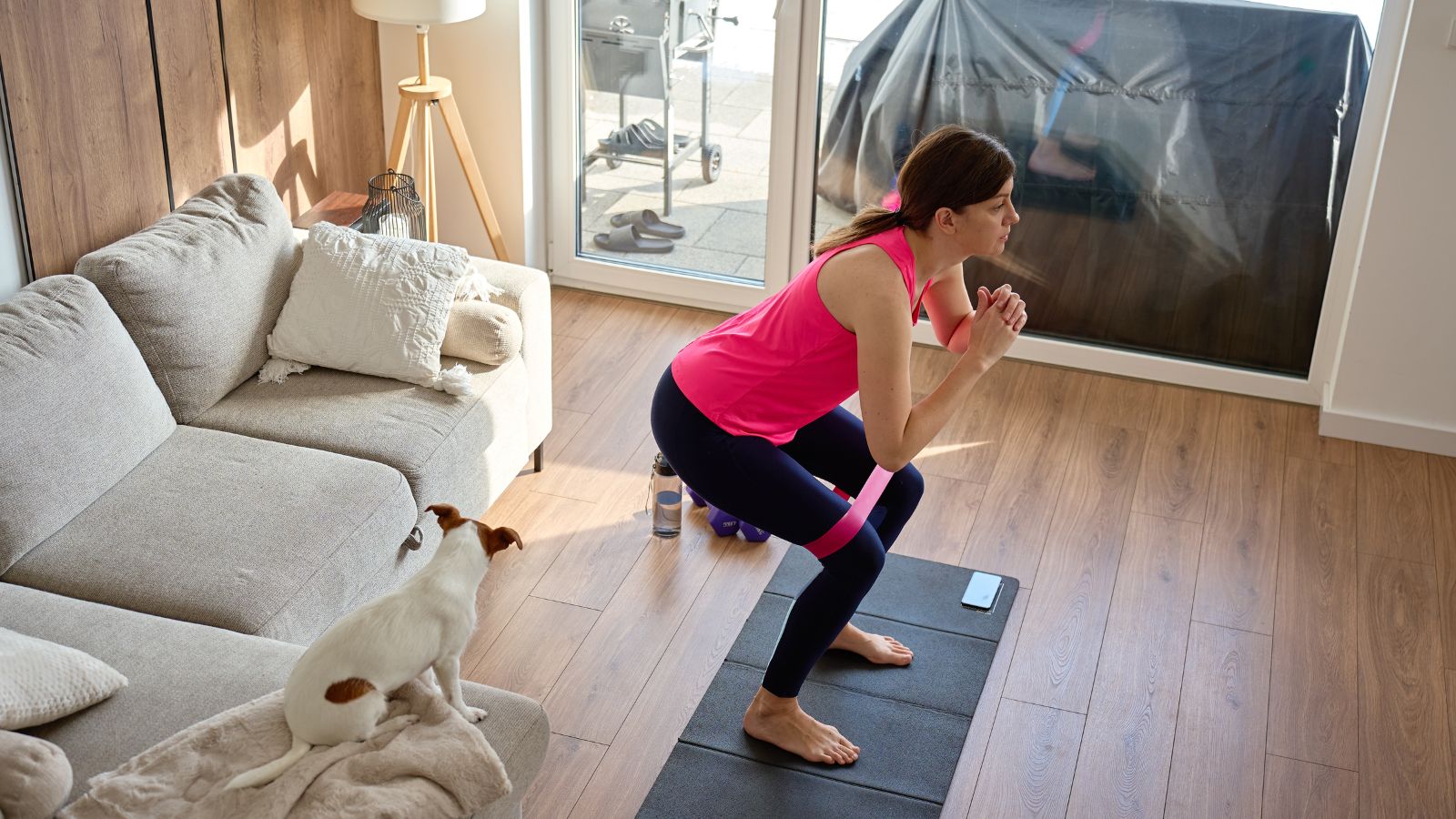
Are you feeling stiff and achy in your lower body? You’re not alone. Many people experience tightness in their hips, knees, and ankles due to long hours of sitting or simply aging. Lower body mobility exercises can be a game-changer for improving flexibility and reducing discomfort. Whether you’re an athlete looking to enhance performance or someone seeking relief from everyday stiffness, there’s something here for everyone. Let’s dive into the world of lower body mobility and discover how simple movements can lead to a healthier, more active lifestyle!
What is Lower body mobility exercises?
Lower body mobility exercises focus on enhancing flexibility and movement in the hips, knees, and ankles. These movements aim to improve your range of motion, making daily activities easier and more enjoyable.
These exercises involve dynamic stretches, gentle movements, and strengthening routines. They target key muscle groups such as the quadriceps, hamstrings, glutes, and calves.
By engaging in these practices regularly, you can help maintain joint health while also reducing stiffness. Whether you’re an athlete or someone who sits for long periods during the day, lower body mobility is crucial.
Incorporating these exercises into your routine fosters better alignment and posture too. This can lead to improved athletic performance or simply make walking up stairs less daunting.
The Importance of Lower Body Mobility
Lower body mobility plays a crucial role in our overall health and well-being. It affects how we perform daily activities, from walking to climbing stairs.
When the lower body is mobile, joints operate smoothly. This reduces the risk of injuries during physical activities or sports.
Improved mobility enhances athletic performance. Whether you’re running, cycling, or engaging in team sports, flexibility and range of motion can make a significant difference.
Additionally, good lower body mobility supports proper posture. It helps maintain balance and stability while reducing strain on muscles and joints.
With age or inactivity, stiffness often creeps in unnoticed. Regularly working on mobility can combat this decline and keep you feeling youthful and agile for longer periods.
Common Causes of Lower Body Stiffness and Pain
Lower body stiffness and pain can arise from various sources, impacting daily activities. One common cause is prolonged sitting. Many people spend hours at desks or in cars, leading to tight hips and hamstrings.
Inactivity plays a significant role as well. Lack of movement reduces flexibility and strength, making it easier for stiffness to set in.
Injuries also contribute to discomfort. Sprains or strains may hinder mobility, creating a vicious cycle of reduced activity and increased pain.
Arthritis is another culprit that often gets overlooked. This condition leads to inflammation in joints like the knees and hips, resulting in both stiffness and swelling.
Age cannot be ignored; as we get older, our muscles naturally lose elasticity. Regular exercise becomes crucial for maintaining lower body health at every stage of life.
Top Lower Body Mobility Exercises
When it comes to lower body mobility exercises, variety is key. Start with the hip flexor stretch. This helps release tightness in your hips and improves overall range of motion.
Next, try the seated forward fold. It’s perfect for lengthening your hamstrings while also relaxing your back and shoulders. Hold this position to feel a gentle stretch.
Another great option is the deep squat hold. Simply sink into a squat and stay there for 30 seconds or more. This not only enhances flexibility but also strengthens your legs.
Don’t forget about ankle circles! They may seem simple, but they boost ankle mobility significantly. Rotate each foot in both directions for better joint health.
Incorporate leg swings into your routine to engage multiple muscle groups at once while improving balance and coordination throughout your lower body.
Modifications for Different Fitness Levels
When it comes to lower body mobility exercises, everyone’s ability varies. Adjusting movements can make them accessible for all fitness levels.
For beginners, start with seated or supported variations of stretches. This provides stability and confidence while learning proper form.
If you’re more experienced, challenge yourself with dynamic movements like lunges or squat stretches. Incorporate resistance bands for added intensity.
Advanced practitioners might try single-leg balance exercises or deep squats to push their limits further. These require greater control and strength.
Always listen to your body during these modifications. If something feels uncomfortable, don’t hesitate to dial back the intensity or adjust your position. Remember that consistency is key in building mobility over time, regardless of where you start from!
Incorporating Mobility Exercises into Your Routine
Integrating lower body mobility exercises into your daily routine can be a game changer. Start by setting aside just 10 minutes each day. This small commitment can yield significant benefits.
Consider pairing these exercises with your warm-up before workouts or simply as a standalone session. You don’t need fancy equipment just your body and a little space.
Use reminders on your phone to keep you accountable. Consistency is key, so find the time that works best for you, whether it’s in the morning or during breaks throughout the day.
Engage family or friends to join you; make it social and fun. Turning mobility work into a group activity can enhance motivation while fostering camaraderie.
Listen to your body and adjust intensity accordingly. The goal is gradual improvement, not pushing through pain or discomfort.
Benefits of Improved Lower Body Mobility
Improved lower body mobility can significantly enhance your overall movement quality. It allows for a smoother range of motion during daily activities, making tasks like walking or climbing stairs easier and more fluid.
Enhanced flexibility in the hips, knees, and ankles contributes to better athletic performance. Whether you’re running, cycling, or participating in team sports, increased mobility helps you achieve greater speed and agility.
Moreover, effective lower body mobility reduces the risk of injuries. By maintaining proper alignment and movement patterns, stress on joints decreases. This means less strain on muscles and ligaments during physical activities.
Another key benefit is improved posture. Regularly engaging in mobility exercises strengthens stabilizing muscles around the pelvis and spine. This leads to a healthier spinal position throughout your day-to-day life.
Beyond physical advantages, enhanced lower body mobility can boost mental well-being too. Feeling agile often translates into higher confidence levels as you tackle challenges with ease.
Conclusion
Improving lower body mobility can transform your daily life. Whether you’re an athlete or someone who enjoys leisurely walks, these exercises are vital.
Integrating them into your routine paves the way for better performance and reduced discomfort.
Listening to your body is essential as you explore these movements. Adapt them according to what feels right for you. Progress at a comfortable pace to avoid injury.
Embrace the journey of enhancing your flexibility and strength. Each small step contributes significantly over time.
With dedication, you’ll notice increased ease in everyday activities and greater overall well-being. Prioritize those moments dedicated to movement; they pay off substantially in the long run.
Explore various routines until you find what resonates with you best, making it a sustainable part of your lifestyle. Enjoy every stride along the way!
FAQs
When it comes to lower body mobility exercises, many questions often arise. Below are some frequently asked questions that can help clarify any doubts and enhance your understanding of this essential fitness component.
What are lower body mobility exercises?
Lower body mobility exercises focus on improving the flexibility and range of motion in the hips, knees, and ankles. These movements target key muscle groups that contribute to overall stability and functionality.
Who can benefit from lower body mobility exercises?
Everyone can benefit! Whether you’re an athlete looking to improve performance or someone seeking relief from everyday stiffness, these exercises cater to all fitness levels.
How often should I perform these exercises?
It’s recommended to incorporate lower body mobility exercises into your routine at least three times a week. Consistency is vital for seeing improvements in flexibility over time.
Can I do these workouts at home?
Absolutely! Many effective lower body mobility routines require minimal space and equipment. You only need a mat or soft surface for comfort.
What if I’m not flexible enough yet?
That’s perfectly fine! Start with gentler modifications of each exercise. As your strength improves, gradually increase the difficulty level without straining yourself.
Will these exercises help prevent injuries?
Yes, enhancing your lower body’s flexibility can lead to better biomechanics during physical activities. This reduces the risk of injuries related to tight muscles or joints.
How long will it take to see results?
Results vary by individual but generally speaking, practicing regularly may show noticeable changes within a few weeks.
Feel free to explore various resources online or consult with professionals if you’re looking for personalized guidance tailored just for you.
