
Embarking on a fitness journey can be both exciting and overwhelming, especially when it comes to nutrition. One of the buzzwords you’ll likely encounter is “protein powder.” If you’re just starting out, navigating the world of protein supplements might feel like an uphill battle. But fear not! Protein powder for beginners doesn’t have to be complicated.
Whether you’re looking to build muscle, lose weight, or simply improve your overall health, understanding protein powder can make a significant difference in achieving your goals. With so many options available on the market today, it’s essential to find the right fit for your unique needs. Let’s dive into everything you need to know about choosing the perfect protein powder that aligns with your fitness aspirations.
What is Protein powder for beginners?
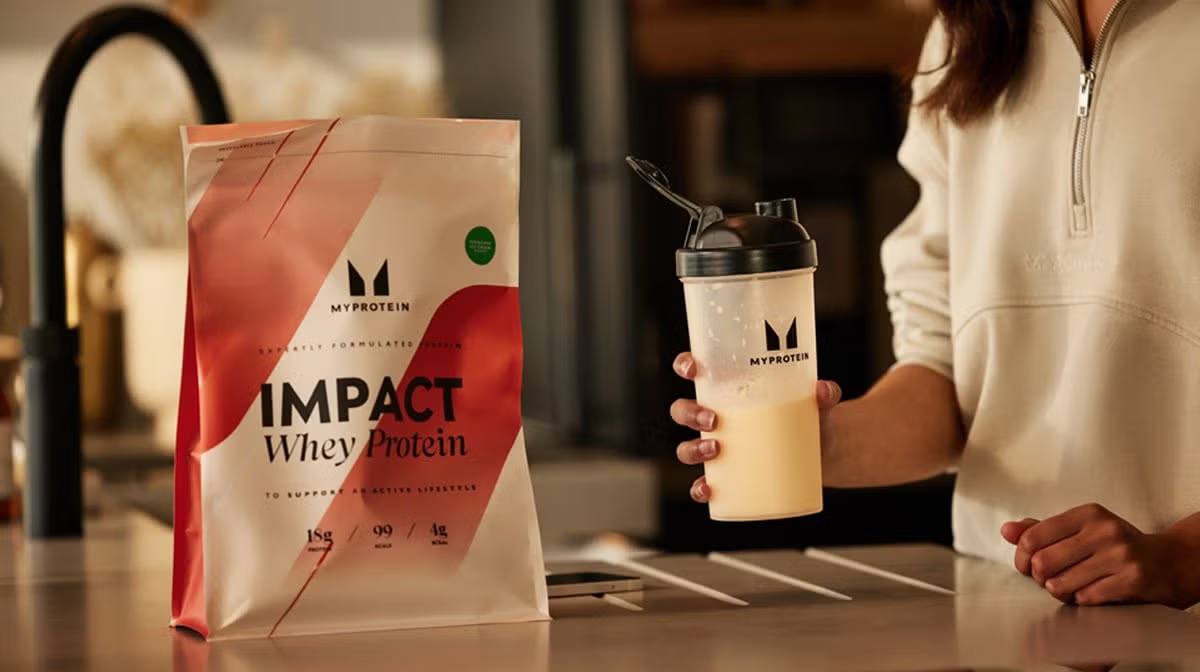
Protein powder for beginners is a convenient supplement designed to boost your protein intake. It’s particularly helpful for those new to fitness or looking to enhance their diet.
Typically derived from sources like whey, casein, soy, pea, or rice, protein powders offer various options tailored to different dietary needs. They come in flavors ranging from chocolate to vanilla and even fruity varieties.
For newcomers, incorporating protein powder can support muscle recovery after workouts and aid in meal planning when life gets busy.
Using it doesn’t have to be complicated; simply mix with water or add it to smoothies and oatmeal. This flexibility makes it an appealing choice for anyone starting their fitness journey.
The Different Types of Protein Powders
When exploring protein powder options, you’ll encounter several types that cater to different needs.
Whey protein is among the most popular choices. Derived from milk, it’s quickly absorbed and perfect for post-workout recovery.
Casein, another milk-based option, digests more slowly. This makes it ideal for prolonged muscle repair overnight.
Plant-based proteins like pea or hemp are fantastic alternatives for vegans or those with lactose intolerance. They provide a complete amino acid profile without dairy.
Egg white protein offers high-quality nutrients too. It’s rich in essential amino acids but lacks some of the fats found in other sources.
Collagen peptides have gained traction as well; they support joint health and skin elasticity while still providing a protein boost.
Each type has unique benefits depending on your fitness goals, dietary preferences, and lifestyle needs. Choose wisely to maximize your workouts!
Benefits of Protein Powder for Fitness
Protein powder offers numerous advantages for those on their fitness journey. It serves as a convenient source of high-quality protein, making it easier to meet daily nutritional needs.
For athletes or active individuals, protein is essential for muscle repair and growth. After an intense workout, consuming protein helps speed up recovery time and reduce soreness.
Additionally, incorporating protein powder into your diet can aid in weight management. Protein promotes satiety, which can help curb cravings and prevent overeating throughout the day.
Some powders also come fortified with vitamins and minerals that support overall health. This added nutrition can be particularly beneficial when training hard or during calorie restriction.
Using protein supplements allows flexibility in meal planning. Whether blended into smoothies or mixed with oatmeal, they fit seamlessly into various meals without hassle.
Factors to Consider When Choosing a Protein Powder
Choosing the right protein powder involves several key factors. First, consider your dietary preferences. Are you vegan or lactose intolerant? Plant-based options like pea or hemp protein might suit you better.
Next, examine the ingredient list. Look for minimal additives and fillers. A clean label often indicates a higher-quality product.
Pay attention to protein content per serving as well. If you’re looking to build muscle, aim for a powder with 20 grams of protein or more.
Taste matters too—some powders can be chalky or overly sweetened. Sampling different flavors before committing is a smart move.
Think about your fitness goals. Whether it’s weight loss, muscle gain, or overall health improvement will influence which type of protein powder best meets your needs. Choose wisely to align with your journey!
How to Incorporate Protein Powder into Your Diet Plan
Incorporating protein powder into your diet can be both simple and delicious. Start by adding a scoop to your morning smoothie or oatmeal. This boosts the nutritional value while keeping you energized throughout the day.
Consider using it in baking as well. Mix protein powder into pancakes, muffins, or energy bars for an extra health kick without sacrificing flavor.
If you’re looking for a quick snack, blend protein powder with yogurt or cottage cheese. It creates a creamy treat that’s perfect post-workout.
For savory dishes, try mixing unflavored protein powder into soups or sauces. It enhances the meal’s overall nutrition without altering its taste.
Keep some ready-to-drink options on hand for those busy days when you can’t prepare food at home. Simple adjustments can make meeting your protein needs effortless and enjoyable!
Common Myths About Protein Powder
Many people have misconceptions about protein powder. One common myth is that it’s only for bodybuilders or elite athletes. In reality, anyone can benefit from added protein in their diet.
Another misconception is that consuming protein powder will automatically lead to weight gain. This isn’t true. Protein can help with weight management by promoting satiety and supporting muscle growth when combined with a balanced diet.
Some believe all protein powders are the same. The truth is there are various types tailored for different needs, such as whey, casein, plant-based options, and more.
Many think you can’t get enough protein from food alone. While supplements can be helpful, most individuals can meet their daily requirements through whole foods if they plan accordingly.
Tips for Purchasing and Storing Protein Powder
When purchasing protein powder, start by checking the ingredient list. Look for products with minimal additives and fillers. A shorter ingredient list often means a cleaner product.
Consider your dietary preferences or restrictions. Whether you’re vegan, lactose intolerant, or following keto, there’s a protein powder tailored for you.
Once you’ve made your choice, pay attention to storage. Keep your protein powder in a cool, dry place away from direct sunlight. This helps maintain its quality and flavor.
Seal it tightly after each use to prevent moisture from getting in. Proper storage can extend its shelf life significantly.
Always check the expiration date before buying and again before using it at home. Freshness matters when it comes to taste and effectiveness in reaching fitness goals.
The Importance of Finding the Right Protein Powder for Your Fitness Goals
Choosing the right protein powder is crucial for optimizing your fitness journey. Different goals require different nutritional approaches. Are you looking to build muscle, lose weight, or enhance recovery? Each aim can lead you down a unique path in terms of protein selection.
For muscle gain, whey protein might be your best bet due to its high biological value and quick absorption rate. If you’re focusing on weight loss, plant-based proteins like pea or rice could be ideal as they often come with fewer calories and added fiber.
Understanding your dietary preferences also matters. Some powders contain allergens or additives that don’t align with certain diets. Take time to read labels carefully.
Pinpointing the right type ensures that you fuel your body effectively while aligning with what you want to achieve physically. This tailored approach makes all the difference in reaching your fitness milestones successfully.
Conclusion
Protein powder can be a valuable tool for anyone embarking on a fitness journey. By understanding the various types available and their benefits, you can make informed choices that align with your goals. Keep in mind the factors to consider when selecting protein powder, from dietary restrictions to taste preferences.
Incorporating protein powder into your diet is straightforward, whether you mix it into smoothies or recipes. Dispelling common myths about protein consumption will empower you as well, helping you navigate misinformation often found online.
When purchasing and storing your protein powder, opt for reputable brands and ensure proper storage methods to maintain freshness. Remember that finding the right type of protein powder tailored to your needs can significantly enhance your fitness efforts.
By taking these insights into account, you’re setting yourself up for success in achieving those health and fitness milestones. Embrace this exciting journey ahead!
