

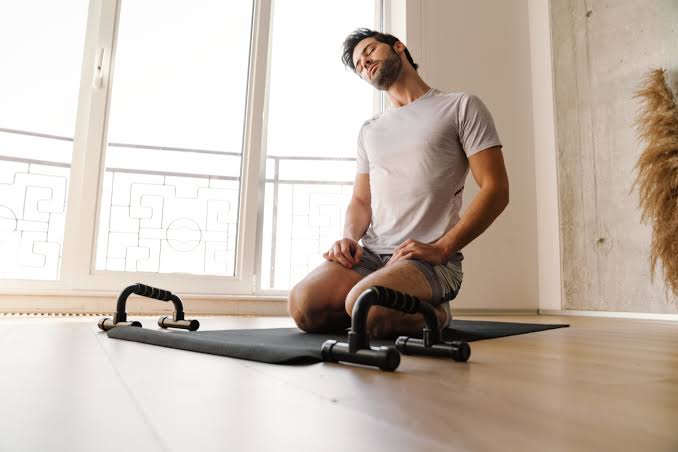
5 Daily Mobility Exercises for Stiff Joints can help improve flexibility, reduce discomfort, and restore natural movement throughout the body. Whether you spend long hours sitting at a desk, have an active lifestyle, or simply notice increasing stiffness with age, adding a few minutes of mobility work to your daily routine can make a significant difference. Unlike intense stretching or strength training, mobility exercises focus on improving how your joints move through their full range of motion.
Healthy joints are essential for everyday activities such as walking, climbing stairs, lifting objects, and exercising safely. Practicing mobility exercises consistently helps maintain joint function, supports muscle flexibility, and reduces the feeling of tightness that can develop from inactivity. This guide explains five effective mobility exercises that are easy to perform at home without requiring any special equipment.
Why Daily Mobility Exercises Are Important
Mobility exercises improve the way your joints move while increasing flexibility in the surrounding muscles and connective tissues. Better joint mobility allows your body to perform everyday movements more efficiently, reducing unnecessary strain and improving overall physical performance. Regular mobility work also prepares your body for exercise by increasing blood flow and enhancing movement quality.
Long periods of sitting, repetitive activities, and limited physical movement often contribute to stiff joints and reduced flexibility. Including mobility exercises in your daily routine helps counteract these effects by encouraging healthy movement patterns and supporting better posture. Even a short session each day can contribute to noticeable improvements over time.
Neck and Shoulder Mobility Exercise
The neck and shoulders often become stiff due to poor posture, prolonged computer use, or stress. Slow neck rotations, shoulder rolls, and controlled arm circles help release tension while improving movement around these important joints. Performing these exercises gently encourages better circulation and increases flexibility without placing excessive stress on the muscles.
Maintain smooth and controlled movements throughout the exercise, avoiding sudden or forceful motions. Breathe naturally while moving through a comfortable range of motion. Practicing this routine each morning can help reduce stiffness and prepare your upper body for the activities ahead.
Cat-Cow Spine Mobility Exercise
The Cat-Cow movement is one of the most effective exercises for improving spinal mobility and reducing back stiffness. Begin on your hands and knees, then slowly alternate between arching your back upward and lowering your abdomen toward the floor while lifting your head. This gentle movement improves flexibility throughout the spine while engaging the muscles that support good posture.
Perform the exercise slowly and coordinate each movement with your breathing. Inhaling as you lower your abdomen and exhaling as you round your back promotes relaxation while encouraging smooth spinal movement. Regular practice can improve back mobility and reduce stiffness caused by prolonged sitting.
Hip Mobility Exercise
Healthy hips play a vital role in walking, squatting, climbing stairs, and maintaining balance. Hip circles, gentle lunges, and controlled leg swings improve flexibility while increasing the range of motion within the hip joints. These exercises also activate the surrounding muscles, helping support better movement throughout the lower body.
Move through each repetition with control rather than speed. Avoid forcing the movement beyond your comfortable range. Improving hip mobility can also reduce stress on the knees and lower back by encouraging more efficient body mechanics during daily activities.
Ankle Mobility Exercise
Ankle mobility is often overlooked, yet it is essential for maintaining balance, walking efficiently, and performing exercises safely. Controlled ankle circles and knee-over-toe mobility drills improve flexibility around the ankle joint while enhancing stability and coordination. Better ankle movement contributes to smoother walking patterns and reduces unnecessary stress on the feet and knees.
Practice these exercises while maintaining good posture and steady balance. Gentle, consistent movement helps improve circulation while gradually increasing ankle flexibility. Strong ankle mobility supports better performance during activities such as walking, running, and climbing stairs.
Thoracic Rotation Exercise
The thoracic spine, located in the upper and middle back, plays an important role in posture and upper-body movement. Gentle rotational exercises improve spinal flexibility while reducing stiffness caused by prolonged sitting or repetitive movements. Better thoracic mobility also supports healthier shoulder function and more efficient breathing.
Rotate your upper body slowly while keeping your lower body stable. Focus on smooth movement rather than forcing a larger range of motion. Consistent practice improves rotational flexibility and contributes to better posture during everyday activities.
Tips for Improving Joint Mobility
Consistency is the key to improving joint mobility. Performing these exercises for just ten to fifteen minutes each day is more beneficial than completing longer sessions occasionally. Gentle daily movement encourages gradual improvements while reducing the likelihood of stiffness returning between workouts.
Hydration, balanced nutrition, regular physical activity, and adequate sleep also contribute to healthy joints. Combining mobility exercises with strength training and cardiovascular exercise creates a balanced fitness routine that supports long-term joint health and overall physical well-being.
Common Mistakes to Avoid
One common mistake is rushing through mobility exercises without paying attention to proper technique. Fast or uncontrolled movements reduce the effectiveness of the exercises and may increase the risk of discomfort. Controlled, deliberate movement produces better results while allowing your joints to move naturally.
Another mistake is expecting immediate improvements. Mobility develops gradually through regular practice. Avoid forcing joints beyond their natural range of motion, and listen to your body throughout each session. Progress comes from consistency rather than intensity.
Conclusion
5 Daily Mobility Exercises for Stiff Joints provide a simple and effective way to improve flexibility, increase joint movement, and reduce everyday stiffness. Exercises targeting the neck, shoulders, spine, hips, ankles, and upper back support better posture, smoother movement, and greater comfort during daily activities. Because they require no equipment, these exercises can easily become part of any morning or evening routine.
Maintaining healthy joints is an ongoing process that benefits from regular movement, proper recovery, balanced nutrition, and an active lifestyle. By practicing these mobility exercises consistently and focusing on controlled movement, you can improve your overall quality of life while reducing stiffness and supporting long-term joint health.
FAQs
What are mobility exercises?
Mobility exercises are movements designed to improve joint range of motion while increasing flexibility, stability, and overall movement quality.
How often should I perform mobility exercises?
Daily practice is ideal. Even ten to fifteen minutes each day can help improve flexibility and reduce joint stiffness over time.
Can beginners do mobility exercises?
Yes. Mobility exercises are suitable for beginners because they use gentle, controlled movements that can be adjusted to individual fitness levels.
Do mobility exercises replace stretching?
No. Mobility exercises and stretching complement each other. Mobility focuses on active joint movement, while stretching primarily targets muscle flexibility.
Can mobility exercises reduce stiffness?
Yes. Regular mobility work helps improve circulation, increase joint movement, and reduce stiffness caused by inactivity or prolonged sitting.
Do I need equipment for mobility exercises?
No. Most mobility exercises require only your body weight and a small amount of open space.
When is the best time to perform mobility exercises?
Many people benefit from performing them in the morning to reduce stiffness or before workouts to prepare the body for exercise.
How long does it take to notice improvements?
With consistent daily practice, many people notice improved movement and reduced stiffness within a few weeks, although results vary depending on activity level and individual needs.
