

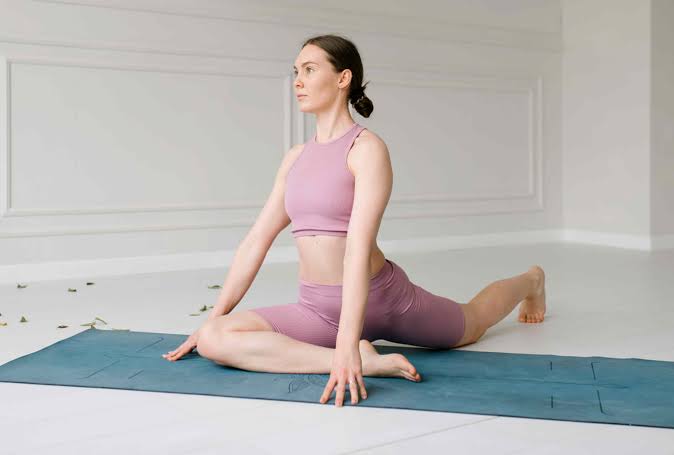
Flexibility Exercises for Stiff Hips and Tight Hamstrings can help improve movement, mobility, and everyday comfort. Spending long hours sitting, maintaining poor posture, having an inactive lifestyle, or performing repetitive activities can leave the hips and hamstrings feeling tight. Regular stretching and mobility work can gradually improve flexibility while helping you move with greater ease.
Your hips and hamstrings play an important role in walking, running, bending, climbing stairs, and exercising. When these areas feel restricted, everyday movements may become uncomfortable or difficult. A consistent flexibility routine can support a greater range of motion and complement strength and cardiovascular training. The key is to progress gradually and avoid forcing a stretch beyond a comfortable level.
Why Hips and Hamstrings Become Tight
Tight hips and hamstrings can develop for several reasons. Sitting for extended periods keeps the hips in a shortened position and limits regular movement. Similarly, people who exercise frequently without including mobility work may notice stiffness after training. Lack of movement can gradually reduce comfortable range of motion.
Muscle tightness can also be influenced by individual anatomy, training habits, previous injuries, and daily activities. Tightness does not always mean a muscle is physically shortened, and stretching alone may not solve every mobility problem. Combining gentle stretching with regular movement and appropriate strengthening can create a more balanced approach to improving mobility.
Benefits of Flexibility Exercises for Stiff Hips and Tight Hamstrings
Regular flexibility work can make certain movements feel smoother and more comfortable. Improving mobility around the hips may make activities such as squatting, walking, lunging, and climbing stairs easier. Better hamstring flexibility can also make bending and reaching movements feel less restricted.
Flexibility exercises can also complement a balanced fitness programme. Mobility work may help you prepare for exercise, cool down afterward, and maintain comfortable movement between workouts. Consistency is more important than intensity, so gentle sessions performed regularly are generally more practical than occasionally forcing deep stretches.
Seated Hamstring Stretch
The seated hamstring stretch is a simple movement that can be performed at home with little space. Sit on the floor with one leg extended while keeping the other leg comfortably bent. Keep your back relatively long and slowly lean toward the extended leg from your hips. Stop when you feel a gentle stretch along the back of the thigh.
Hold the position while breathing slowly and avoiding bouncing. The goal is not to touch your toes but to create a comfortable stretch that you can maintain without pain. Over time, regular practice may help improve your ability to reach forward while maintaining better control and comfort.
Standing Hamstring Stretch
A standing hamstring stretch provides an easy option for people who prefer not to sit on the floor. Place one heel slightly forward with the leg comfortably extended while keeping the other knee softly bent. Hinge forward from the hips while maintaining a relaxed posture until you feel a gentle stretch behind the extended thigh.
Avoid rounding your back excessively or pulling aggressively toward your foot. Hold the stretch comfortably while breathing normally, then return to the starting position slowly. This movement can be particularly convenient during work breaks or after spending a long time sitting.
Hip Flexor Stretch
The hip flexor stretch can be useful when the front of the hips feels tight after prolonged sitting. Begin in a comfortable half-kneeling position with one foot in front of you. Keep your torso upright and gently move your hips forward while maintaining control. You should feel a mild stretch through the front of the hip of the kneeling leg.
Avoid pushing your hips too far forward or arching your lower back. Instead, maintain a stable trunk and focus on creating a controlled stretch. Performing this movement regularly can help restore comfortable hip extension and provide a useful mobility break during sedentary periods.
Figure-Four Hip Stretch
The figure-four stretch targets muscles around the outer hip and gluteal area. Lie comfortably on your back with both knees bent. Place one ankle over the opposite thigh and gently bring the supporting leg toward you until you feel a stretch around the hip and buttock.
Keep your movements slow and controlled throughout the exercise. Do not force the knee downward or pull aggressively on the leg. A comfortable stretch should allow you to breathe normally and maintain the position without sharp or unusual sensations.
Butterfly Stretch
The butterfly stretch is a gentle way to work on hip mobility. Sit upright and bring the soles of your feet together while allowing your knees to move naturally toward the sides. Hold your feet comfortably and maintain a relaxed posture as you breathe slowly.
There is no need to push your knees toward the floor. Instead, allow gravity and regular practice to gradually improve comfort in the position. This exercise can work well at the end of a mobility session or as part of a gentle evening stretching routine.
Dynamic Hip and Hamstring Mobility
Dynamic movements can prepare the body for exercise by taking joints through controlled ranges of motion. Gentle leg swings, controlled hip circles, and walking lunges can help increase movement before a workout. These movements should be performed smoothly rather than aggressively, particularly when the muscles are still cold.
Dynamic mobility is different from holding a static stretch for an extended period. Before exercise, controlled movement is often a practical way to prepare your body for activity. After training or during a separate flexibility session, longer comfortable stretches can be incorporated as part of your routine.
Creating a Simple Flexibility Routine
A practical flexibility routine does not need to be long or complicated. You can spend a few minutes moving gently before exercise and then perform several comfortable stretches afterward. If you spend much of the day sitting, brief mobility breaks throughout the day may also be more useful than relying on one long stretching session.
Consistency should remain the main priority. Try to make mobility work part of your regular lifestyle rather than treating it as something you only do when you feel stiff. Gradually increasing your range of motion while maintaining good breathing and control can help you develop better movement habits over time.
Safety Tips for Stretching
Stretching should generally create mild tension rather than sharp pain. Avoid bouncing, forcing a joint into an extreme position, or competing with yourself to achieve a deeper stretch. Relaxed breathing can help you stay comfortable and maintain better control throughout each movement.
If you experience persistent pain, significant swelling, numbness, weakness, or symptoms that worsen with exercise, stop the activity and consider seeking advice from a qualified healthcare professional. People recovering from an injury or dealing with a known musculoskeletal condition should receive individual guidance before beginning a new flexibility programme.
Conclusion
Flexibility Exercises for Stiff Hips and Tight Hamstrings can become a valuable part of a balanced fitness and mobility routine. Gentle hamstring stretches, hip flexor movements, figure-four stretches, butterfly positions, and controlled dynamic exercises can help support comfortable movement when performed consistently. The goal is not to force flexibility but to gradually improve your body’s ability to move through a comfortable range.
A few minutes of mobility work each day can complement strength training, walking, running, and other physical activities. Combine regular movement with appropriate recovery and good exercise technique for the best long-term results. If stretching causes pain rather than comfortable tension, stop and seek professional guidance when necessary.
FAQs
How often should I stretch tight hamstrings?
Gentle stretching can be included regularly, especially after periods of inactivity or as part of a consistent mobility routine. Avoid forcing stretches simply to achieve faster results.
Can stretching help stiff hips?
Regular mobility work may improve comfortable hip movement, particularly when stiffness is related to inactivity or prolonged sitting. Strengthening and general movement are also important.
How long should I hold a stretch?
A comfortable static stretch can generally be held for around 15 to 30 seconds. Focus on relaxed breathing rather than trying to reach an extreme position.
Should I stretch before or after exercise?
Gentle dynamic movements are useful before exercise, while comfortable static stretching can be included after training or during a separate flexibility session.
Can sitting cause tight hamstrings and hips?
Long periods of sitting can contribute to feelings of stiffness around the hips and legs because the body remains in the same position for extended periods.
How quickly can flexibility improve?
Progress varies between individuals. Consistent mobility work over several weeks may improve comfort and range of motion, although larger changes can take longer.
Should stretching hurt?
No. Stretching may create mild tension, but sharp, intense, or unusual pain is a reason to stop the movement and reassess what you are doing.
Can I do these exercises every day?
Many gentle mobility exercises can be performed frequently when they are comfortable and appropriate for your fitness level. Allow additional recovery when your muscles feel unusually sore or irritated.
