

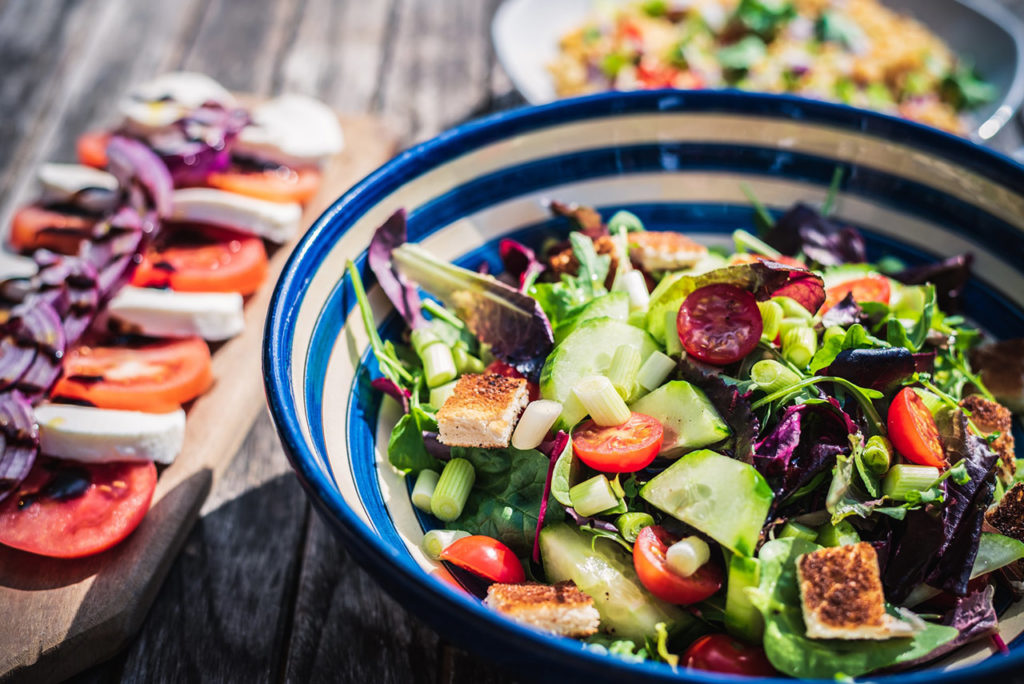
Healthy eating doesn’t have to feel overwhelming or complicated, especially for beginners. If you’re ready to embark on a journey toward better nutrition, you’re in the right place. Transitioning to healthier eating habits can be both exciting and rewarding. It’s about making small changes that lead to big results over time.
Whether you’re looking to improve your energy levels, maintain a healthy weight, or simply feel better overall, understanding the basics of nutritious food choices is essential. This guide will help demystify the world of healthy eating while providing practical tips and strategies that are easy to implement. Get ready to discover how simple adjustments in your diet can pave the way for a healthier lifestyle!
Why is healthy eating for beginners?
Healthy eating for beginners is crucial, as it sets the foundation for long-term wellness. Many people feel overwhelmed by conflicting information about diets and nutrition. Starting simply can make a significant difference.
Establishing healthy eating habits early on helps in developing a positive relationship with food. It encourages individuals to explore various foods, making meals more enjoyable and fulfilling.
Moreover, learning about nutrition empowers beginners to make informed choices. This knowledge enables them to prioritize whole foods over processed options, leading to better health outcomes.
Beginning this journey also fosters self-awareness regarding dietary preferences and intolerances. Understanding what your body craves or reacts negatively to is essential in tailoring a diet that works best for you.
Embracing healthy eating from the start can enhance energy levels and improve overall well-being—an invaluable step towards achieving personal health goals.
The Basics of a Balanced Diet
A balanced diet is all about variety. It includes different food groups to ensure you get essential nutrients. Think of it as your body’s fuel mix.
Start with fruits and vegetables. Aim for colorful options, as they provide vitamins and minerals that support overall health. Fresh or frozen, both are great choices.
Next up, whole grains should be a staple in your meals. They offer fiber which aids digestion and keeps you feeling full longer. Consider brown rice, quinoa, or whole wheat bread.
Lean proteins are also crucial for muscle repair and growth. Chicken, fish, beans, and legumes can help meet those needs without excess fat.
Don’t forget healthy fats! Avocados, nuts, and olive oil contribute to heart health while adding flavor to dishes.
Hydration matters too; water supports every bodily function. Balancing these components creates a nourishing foundation for anyone starting their healthy eating journey.
How to Start Eating Healthier
Starting to eat healthier doesn’t have to be overwhelming. Begin by making small changes that fit into your lifestyle.
Swap out sugary drinks for water or herbal tea. This simple change can reduce calorie intake significantly and help you stay hydrated.
Next, focus on incorporating more fruits and vegetables into your meals. Aim for a colorful plate; variety ensures you get essential nutrients.
Consider planning your meals ahead of time. Preparing a weekly menu helps keep the unhealthy snacks at bay while encouraging balanced choices.
Don’t forget about portion control. Use smaller plates to trick your mind into feeling satisfied with less food.
Listen to your body’s hunger cues. Eating when you’re truly hungry rather than out of boredom can foster a healthier relationship with food.
Tips for Meal Planning and Grocery Shopping
Meal planning can seem daunting, but it’s a game-changer for healthy eating.
Start by choosing one day each week to plan meals. Think about your schedule and any events that might affect cooking time. This helps you stay organized and reduces last-minute takeout temptations.
Create a shopping list based on your meal plan. Stick to this list while in the store to avoid impulse buys. Focus on whole foods like fruits, vegetables, lean proteins, and grains.
Don’t forget to check what you already have at home before shopping; this prevents waste and saves money.
Batch cooking is another effective strategy. Prepare larger portions of favorite meals so you can enjoy them throughout the week or freeze extras for busy days ahead.
Embrace flexibility! It’s okay if plans change—having ingredients ready allows you to adjust without stress.
Healthy Substitutes for Your Favorite Foods
Craving something indulgent? You don’t have to give up your favorites. Simple swaps can make a world of difference.
Instead of regular pasta, try zucchini noodles or whole grain options. They add nutrients and fiber without sacrificing flavor.
Love pizza? Opt for a cauliflower crust loaded with veggies. It’s lighter but still satisfying.
For sweet treats, consider Greek yogurt mixed with fruit instead of ice cream. It delivers creaminess along with protein.
When it comes to snacks, switch chips for air-popped popcorn seasoned with herbs. It’s crunchy and guilt-free.
Even in baking, substitute sugar with mashed bananas or applesauce for natural sweetness without the calories.
Experimenting with these alternatives can keep your taste buds happy while you embrace healthier eating habits.
Incorporating Exercise into a Healthy Lifestyle
Exercise plays a crucial role in fostering a healthy lifestyle. It’s not just about shedding pounds; it enhances your overall well-being.
Start small to make exercise enjoyable. Consider brisk walking or cycling around your neighborhood. These activities can easily fit into your routine, requiring minimal equipment and no gym membership.
Set achievable goals that motivate you. Whether it’s running for five more minutes or doing one extra push-up than yesterday, every bit counts. Celebrate these milestones to keep spirits high.
Integrate movement throughout the day. Take the stairs instead of the elevator or perform stretches during breaks at work. Small changes add up quickly.
Find an activity you love—dance, swim, hike—whatever excites you! This way, working out feels less like a chore and more like fun time spent on yourself.
Having a workout buddy can provide encouragement too. Share your fitness journeys together and hold each other accountable along the way.
Staying Motivated and Overcoming Challenges
Staying motivated on your healthy eating journey can feel daunting at times. It’s important to remember that changes take time. Celebrate small victories, like choosing a salad over fries or cooking a new recipe.
Set realistic goals tailored to your lifestyle. Instead of drastic changes, focus on gradual shifts. This approach makes it easier to integrate healthier choices without feeling overwhelmed.
Keep a food journal or use an app. Tracking what you eat helps maintain awareness and accountability. Plus, seeing progress can provide a significant motivational boost.
Surround yourself with support—friends, family, or online communities focused on healthy living. Sharing experiences and challenges can inspire you when motivation wanes.
When setbacks occur—and they will—don’t dwell on them. Acknowledge the challenge and move forward with renewed determination rather than guilt or frustration. Each day is an opportunity for improvement and growth in your health journey.
Conclusion
Healthy eating for beginners is not just about changing your diet; it’s a lifestyle shift that can lead to lasting benefits. Understanding the basics of nutrition and knowing how to make healthier choices are crucial steps in this journey. Remember, every small change adds up.
You don’t have to overhaul your entire diet overnight. Start with simple adjustments and gradually incorporate more nutritious foods into your meals. Meal planning and grocery shopping might seem daunting, but with practice, they will become second nature.
Finding healthy substitutes for your favorite dishes can also help you enjoy food without sacrificing flavor or satisfaction. Embrace new recipes and cooking techniques that align with your health goals while still being delicious.
Exercise plays an important role alongside healthy eating. It’s not just about what you eat; it’s also about moving your body regularly. Find physical activities you love so that staying active becomes an enjoyable part of your routine.
Stay motivated by tracking progress, celebrating small victories, and surrounding yourself with supportive friends or family members who share similar goals. Challenges will arise—acknowledge them but don’t let them derail your efforts.
