
Embarking on a journey toward healthy nutrition can feel overwhelming, especially if you’re just starting out. With so much information available—some of it conflicting—it’s easy to get lost in the sea of diet trends and nutritional advice. But don’t fret! Understanding healthy nutrition doesn’t have to be complicated. Whether you’re trying to shed pounds, boost your energy levels, or simply eat better for overall health, this guide is here to help you navigate the essentials of nutritious eating without the fluff.
Imagine stepping into a world where food fuels your body rather than fills it with confusion. By demystifying the principles of a balanced diet and stripping away common misconceptions, we’ll equip you with practical tips that make healthy eating attainable for everyone—even beginners like yourself! Let’s dive in and discover how nourishing your body can transform not only what’s on your plate but also how you feel each day.
What is Healthy Nutrition for Beginners?
Healthy nutrition for beginners is all about making informed food choices. It’s not a strict diet or a temporary fix; rather, it’s a sustainable approach to eating well.
At its core, healthy nutrition means fueling your body with the right balance of nutrients. This includes everything from fruits and vegetables to whole grains and lean proteins.
For those just starting out, it can feel overwhelming. The good news? You don’t need advanced knowledge to begin. Small changes can make a big difference.
Think of it as an adventure in discovering new foods and flavors that nourish you. Each meal presents an opportunity to learn about what your body craves and needs.
Embracing this journey helps create lifelong habits rather than quick solutions that fade away over time. It’s about feeling energized and enjoying the process along the way.
Understanding Nutrition: What it is and Why it Matters
Nutrition is the science that explores how food affects our bodies. It goes beyond calories and macronutrients, diving into the intricate ways nutrients influence health.
Understanding nutrition helps you make informed choices about what you eat. This knowledge empowers you to fuel your body effectively and maintain energy levels throughout the day.
Proper nutrition plays a crucial role in preventing chronic illnesses, boosting immunity, and enhancing mental clarity. When you nourish your body with balanced meals, you’re setting yourself up for success in various aspects of life.
Moreover, good nutrition can improve mood and cognitive function. The right foods support brain health while promoting emotional well-being.
By grasping the fundamentals of healthy nutrition for beginners, you’re taking an essential step toward a healthier lifestyle. It’s not just about eating; it’s about nurturing your whole self through mindful choices.
The Basics of a Healthy Diet: Macronutrients and Micronutrients
A healthy diet hinges on understanding two key categories: macronutrients and micronutrients.
Macronutrients include proteins, carbohydrates, and fats. They provide the energy your body needs for daily activities. Proteins repair tissues and support muscle growth. Carbohydrates are the body’s main fuel source, while healthy fats play crucial roles in hormone production and nutrient absorption.
Micronutrients, on the other hand, consist of vitamins and minerals. Though needed in smaller amounts, they are vital for various bodily functions like immunity, bone health, and metabolic processes.
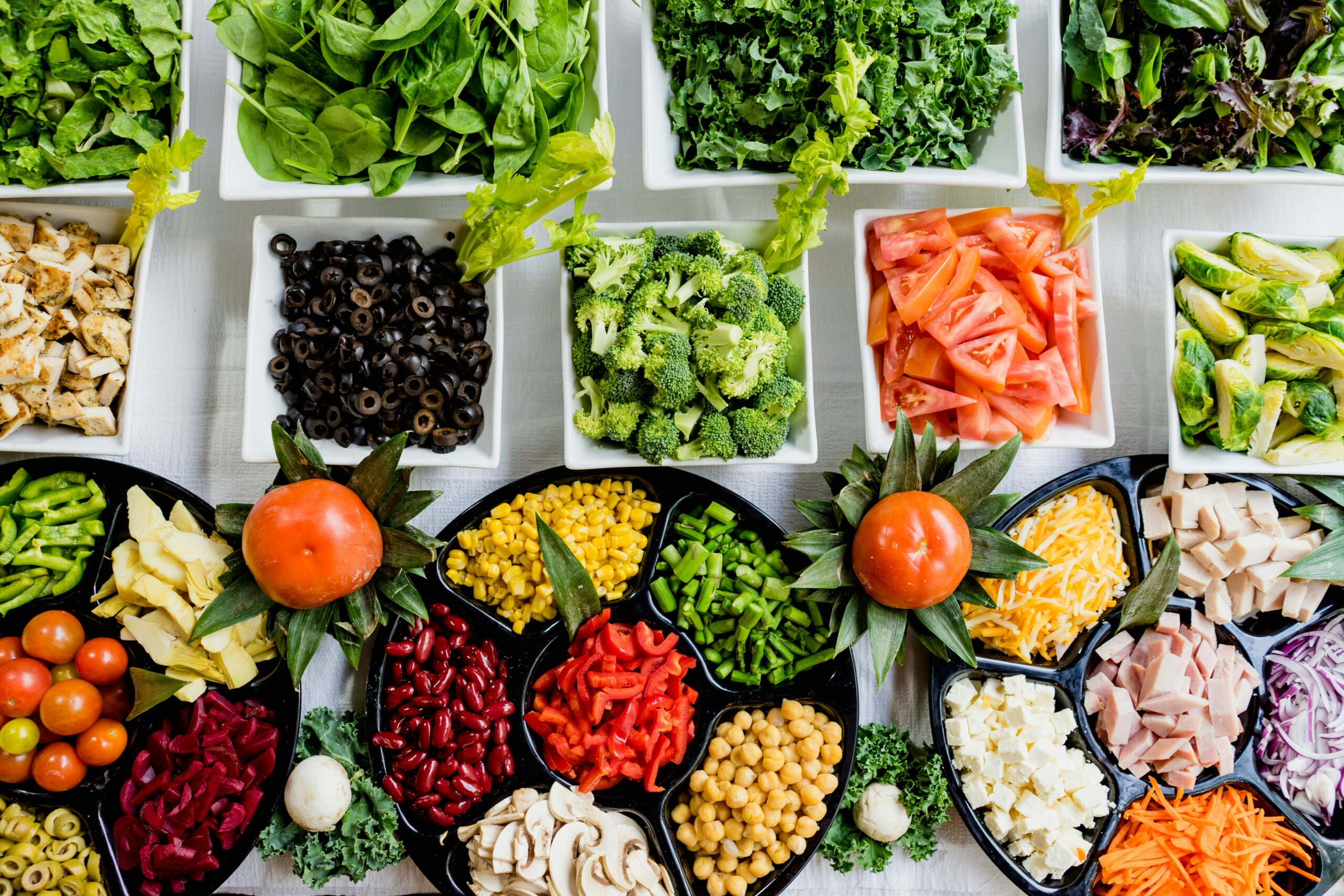
Balancing these nutrients is essential for optimal health. Incorporating a variety of foods ensures you obtain both macronutrients and micronutrients necessary to thrive. This means embracing colorful fruits, leafy greens, whole grains, lean proteins, and healthy fats into your meals each day. Prioritizing this balance can transform how you feel physically and mentally.
Debunking Common Nutrition Myths
Nutrition myths are everywhere, and they can be incredibly misleading. One popular misconception is that all fats are bad for you. In reality, healthy fats like those found in avocados and nuts play essential roles in our body.
Another myth suggests that carbs should be completely avoided for weight loss. Carbohydrates are vital energy sources; it’s the quality of carbs that matters more than their quantity.
Many believe that skipping meals helps shed pounds faster. This approach can lead to overeating later and disrupts your metabolism instead.
Some people think eating late at night causes weight gain. It’s not just about when you eat but what you consume throughout the day.
Understanding these myths helps pave the way to informed choices, steering clear of confusion while embracing a healthier lifestyle built on evidence rather than hearsay.
Building a Balanced Plate: The Importance of Portion Control
Building a balanced plate is essential for anyone exploring healthy nutrition for beginners. It’s all about finding harmony among the different food groups.
Start by visualizing your plate. Half of it should consist of colorful vegetables and fruits. These provide vital vitamins and minerals that keep you energized.
Next, fill one-quarter with lean proteins like chicken, fish, or plant-based options such as lentils. Proteins are crucial for muscle repair and overall health.
The last quarter can be dedicated to whole grains like brown rice or quinoa. They offer complex carbohydrates that fuel your body efficiently.
Portion control plays a significant role in managing calorie intake. By understanding serving sizes, you can enjoy a variety of foods while still keeping your meals nutritious without overindulging.
Adapting this approach not only enhances meal satisfaction but also promotes mindful eating habits over time.
Incorporating Whole Foods into Your Diet
Incorporating whole foods into your diet is a game-changer for healthy nutrition. Whole foods are unprocessed or minimally processed items, like fruits, vegetables, nuts, seeds, and whole grains. They pack nutrients that are often stripped away in processed options.
Start small by adding an extra serving of veggies to your meals. Toss some spinach into your morning smoothie or snack on carrot sticks instead of chips. These simple swaps make a big difference.
Experiment with new recipes featuring these ingredients. Quinoa bowls topped with colorful vegetables can be both nourishing and satisfying.
Don’t shy away from the produce section at the grocery store; embrace its variety! Seasonal fruits not only taste better but also support local farmers.
Making gradual changes ensures you create lasting habits while enjoying delicious food options filled with natural goodness. Your body will thank you as it thrives on real nourishment.
Meal Planning and Preparation Tips for a Healthier Lifestyle
Meal planning is an essential step toward a healthier lifestyle. It saves time and helps you make better food choices throughout the week. Start by dedicating a day to plan your meals. This could be Sunday or any other convenient day for you.
List out recipes that excite you, focusing on whole foods like vegetables, fruits, lean proteins, and whole grains. Aim for variety to keep things interesting and ensure you’re getting all necessary nutrients.
Batch cooking can be a game changer. Prepare large portions of meals that freeze well—like soups or stews—and store them in individual containers. This way, you’ll have healthy options at your fingertips when life gets busy.
Don’t forget snacks! Pre-portion healthy snacks like nuts or cut-up veggies into grab-and-go packs. Having nutritious options ready makes it easier to resist unhealthy temptations during the week.
Navigating Through Fad Diets: What to Avoid and What to Consider
Fad diets often promise quick fixes, but they can be misleading. Many restrict entire food groups or promote extreme calorie deficits. This approach is not sustainable and can lead to nutritional deficiencies.
It’s crucial to recognize that healthy nutrition for beginners should focus on balanced eating rather than temporary solutions. Look for diets that emphasize whole foods like fruits, vegetables, lean proteins, and whole grains.
Before attempting any fad diet, consider the long-term effects on your health. Ask yourself if it allows flexibility or fits your lifestyle. If it feels too restrictive or overly complicated, it’s likely not a good choice.
Consulting with a healthcare professional can provide valuable insights when evaluating popular diets. They can help you understand what aligns with your personal health needs while steering clear of trends that may harm more than help.
Conclusion
Understanding healthy nutrition for beginners can feel overwhelming, but it doesn’t have to be. By breaking down the basics of nutrition and focusing on what truly matters, you can create a sustainable approach to eating that supports your health goals.
Start by familiarizing yourself with macronutrients and micronutrients. Learn how they impact your body’s functions and energy levels. Don’t let myths cloud your understanding; focus on facts about food rather than trendy diets or quick fixes.
Creating balanced meals is key think colorful plates filled with whole foods like fruits, vegetables, lean proteins, and whole grains. Portion control plays a significant role in maintaining a healthy weight while still enjoying the flavors you love.
Meal planning simplifies grocery shopping and prepares you for busy days ahead. It encourages healthier choices without falling into the trap of convenience foods laden with unhealthy ingredients.
As you navigate through various diet trends, remember that not all are beneficial long-term. Choose an approach that aligns with your lifestyle instead of jumping from one fad to another. With these insights in hand, embark on this journey toward better nutrition confidently one meal at a time!
