
Whether aiming to improve general fitness, gain functional strength, or simply enjoy movement, calisthenics offers adaptable pathways for diverse goals and fitness levels. The following sections provide detailed insights that empower newcomers to train confidently while avoiding common pitfalls that derail progress.
Benefits of Starting Calisthenics Training

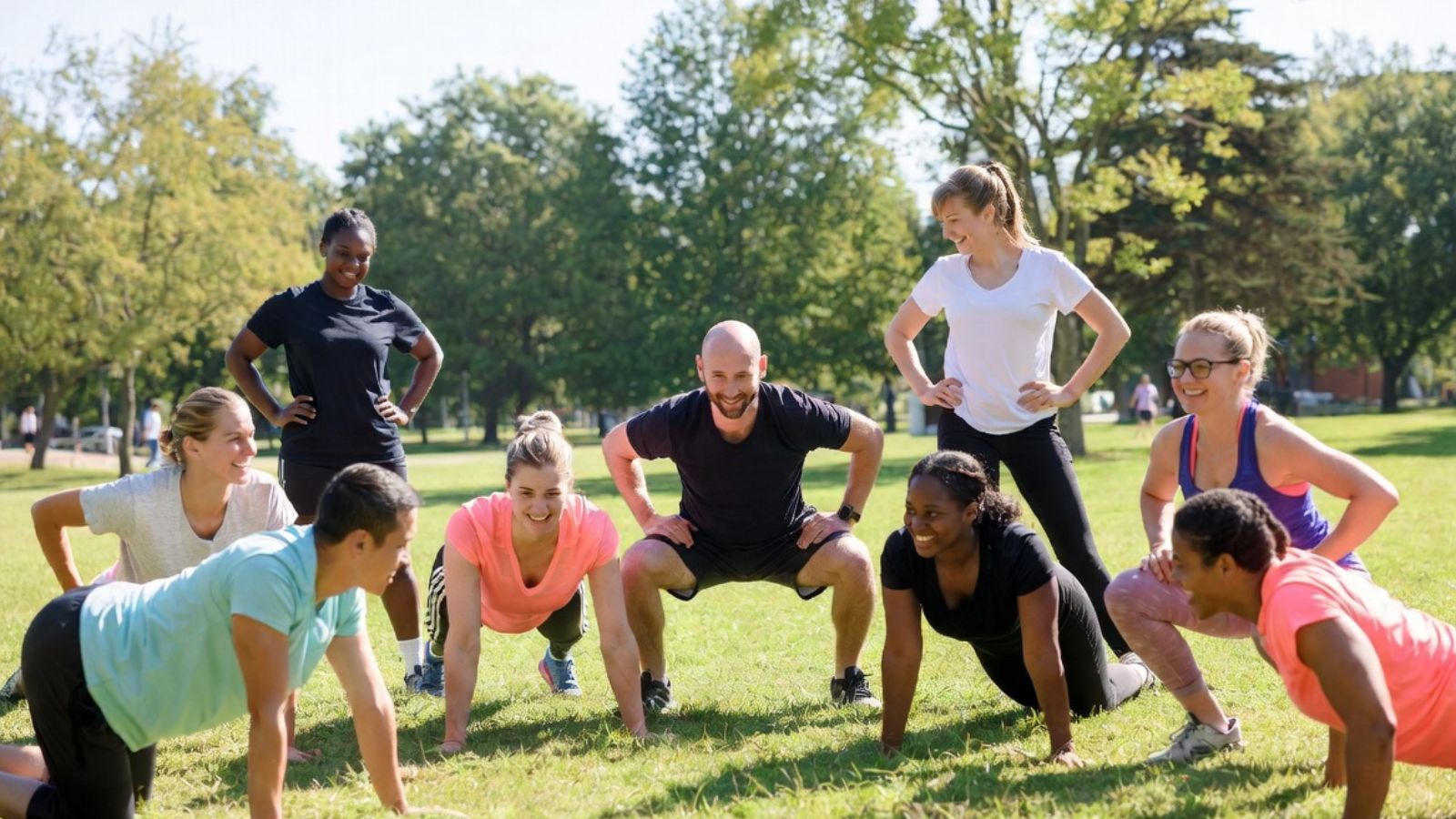
The convenience factor cannot be overstated, as training can occur in parks, living rooms, or during travel without packing gear. This accessibility removes common excuses and supports consistent habits that lead to lasting lifestyle changes beyond mere exercise routines.
Fundamental Push Exercises for Upper Body Development

As proficiency increases, progressions like diamond or decline variations introduce new challenges that continue driving adaptation. Consistent practice with attention to form yields impressive results that transfer to daily activities requiring pushing strength.
Essential Pull Movements and Alternatives

Prioritizing pull exercises prevents postural imbalances and supports shoulder health, crucial for long-term training sustainability. Gradual increases in volume and difficulty ensure steady progress without overwhelming the musculoskeletal system.
Core Stability and Lower Body Foundations

Incorporating unilateral work addresses strength discrepancies between sides while improving balance and coordination. Consistent core and lower body training contributes to better posture and reduced injury likelihood in everyday movements.
Creating Effective Beginner Workout Routines

Tracking progress through simple metrics like repetitions or hold times maintains motivation and provides clear direction for adjustments. Rest days prove equally important as training sessions for optimal adaptation and sustainable enthusiasm.
Nutrition and Recovery Strategies for Progress

Active recovery methods like walking, light stretching, or foam rolling complement intense training days by promoting circulation without additional stress. Listening to body signals prevents overtraining while ensuring consistent forward momentum.
Common Mistakes and How to Avoid Them

Ignoring mobility limitations or skipping warm-ups often leads to setbacks that thoughtful preparation could have prevented. Regular self-assessment and possible filming of movements help identify areas needing attention before problems develop.
Scaling Workouts for Continued Advancement

Setting realistic milestones celebrates achievements while maintaining perspective on the lifelong nature of fitness development. Enjoying the process sustains motivation better than focusing solely on distant goals.
Conclusion
Embarking on calisthenics for beginners represents an empowering choice that builds not only physical strength but also confidence and self-reliance through mastery of bodyweight movements. The journey rewards consistency and attention to detail with impressive functional capabilities that enhance every aspect of daily life. By starting with proper foundations and progressing thoughtfully, newcomers can achieve remarkable transformations without relying on external equipment or facilities.
The beauty of this training method lies in its accessibility and scalability, making it suitable for diverse ages and backgrounds seeking sustainable fitness solutions. Continued practice reveals deeper connections between mind and body while fostering appreciation for movement possibilities inherent in human physiology. As skills develop, the sense of accomplishment from conquering new challenges fuels ongoing dedication and exploration of advanced techniques. Ultimately, calisthenics offers more than physical benefits—it cultivates resilience and joy in capability that enriches life beyond training sessions.
FAQs

Can calisthenics really build significant muscle without weights?
Yes, progressive overload through exercise variations and increased volume stimulates muscle growth comparable to traditional training.
What equipment is absolutely necessary for beginners?
None is strictly required, though access to a pull-up bar eventually enhances pulling strength development options.
How often should beginners train each week?
Two to four sessions weekly provide optimal stimulus while allowing sufficient recovery for adaptation and growth.
Is calisthenics suitable for women or older adults?
Absolutely, modifications make it accessible and beneficial across genders, ages, and fitness backgrounds.
What should I eat to support my calisthenics progress?
Focus on whole foods with adequate protein, complex carbohydrates, healthy fats, and plenty of vegetables for recovery.
How do I prevent injuries while learning new movements?
Prioritize form mastery, include thorough warm-ups, progress gradually, and listen to body signals during training.
Can I combine calisthenics with other forms of exercise?
Yes, it pairs excellently with running, yoga, or light weight training for well-rounded physical development.
