
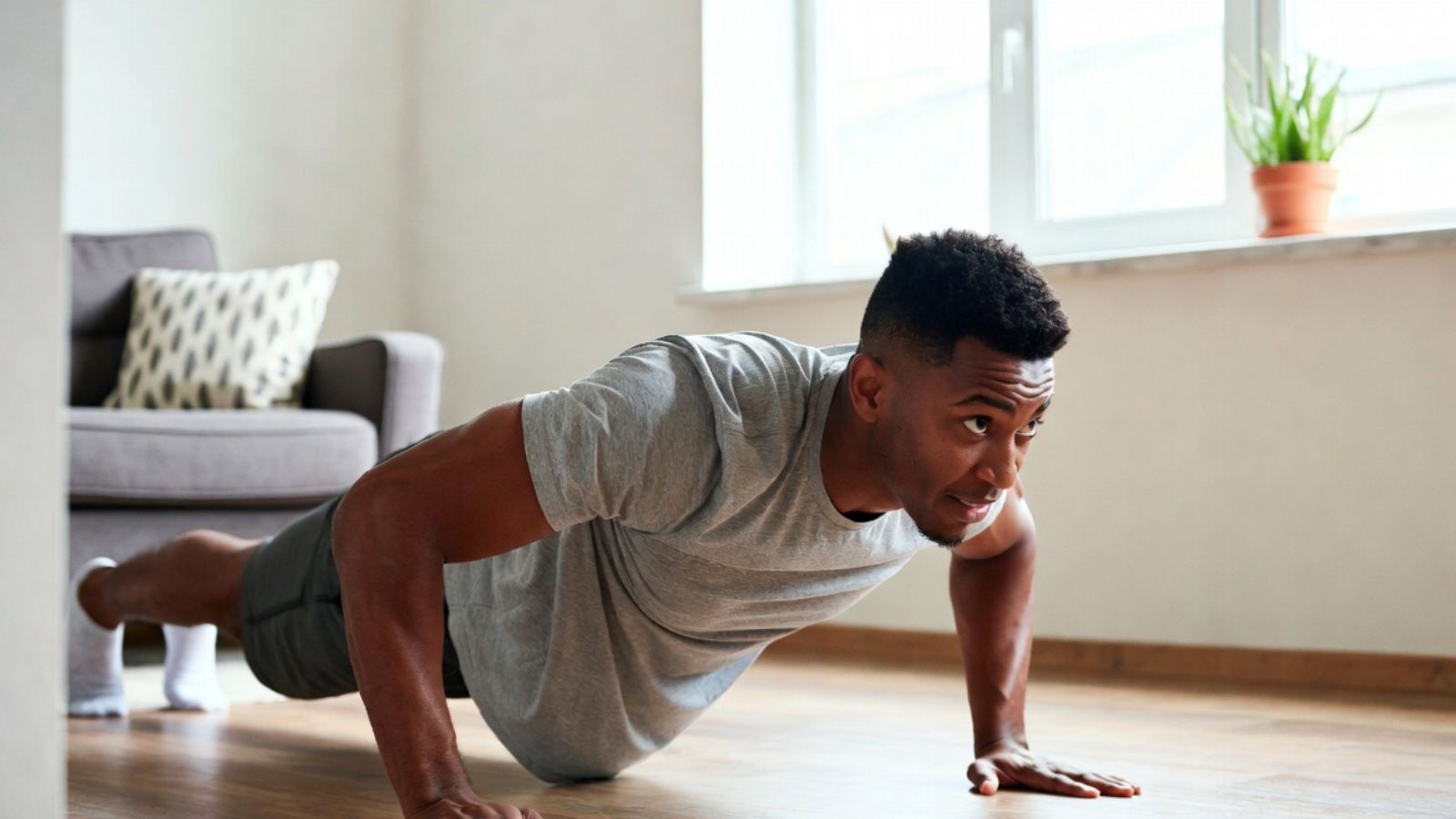
Fitness should feel welcoming rather than intimidating, especially for those starting their journey toward better health. A no equipment home workout for beginners opens doors to meaningful physical improvements without complex setups or prior experience. This article delves deeply into creating effective routines, understanding proper form, progressing safely, and overcoming common mental hurdles that often derail new enthusiasts. Through practical insights and encouraging perspectives, readers discover how consistency in simple movements yields remarkable results over time.
The beauty of home-based training lies in its flexibility and personalization. By focusing on foundational movements that engage multiple muscle groups, beginners develop functional strength applicable to daily life while building confidence in their capabilities. The following sections provide a thorough roadmap designed to support sustainable progress.
Benefits of Starting with No Equipment Home Workout for Beginners
These routines also foster body awareness and proper movement patterns that reduce injury risk in other activities. Mental resilience grows as individuals accomplish small daily goals, creating positive momentum that extends into other life areas.
Essential Warm-Up Routines Before Exercise
Listening to bodily signals during this phase helps establish mindful exercise habits. Gradual progression from gentle to more energetic movements ensures safe transitions into more demanding portions of the workout.
Core Bodyweight Exercises for Strength Building
Starting with modified versions allows gradual strength development without overwhelming newcomers. As confidence grows, increasing repetitions or hold times naturally advances difficulty levels.
Cardiovascular Movements to Boost Endurance
Finding personal rhythm through music or timing creates engaging experiences that encourage regular participation. Cardiovascular elements complement strength training for balanced overall fitness development.
Flexibility and Mobility Work for Better Movement
Focusing on breath coordination during mobility work deepens mind-body connection. This aspect often becomes surprisingly rewarding as practitioners notice improved ease in everyday movements.
Creating Effective Weekly Workout Schedules
Tracking sessions through simple notes or applications helps maintain motivation through visible improvements. Adjusting routines based on energy levels and life demands ensures long-term adherence.
Nutrition and Recovery Tips for Optimal Results
Incorporating restful practices like gentle walking or meditation complements active training days. Listening to recovery signals prevents overtraining while maximizing benefits from consistent effort.
Overcoming Common Beginner Challenges and Setbacks
Connecting with supportive communities or accountability partners provides external encouragement during challenging periods. Patience with personal pace prevents unnecessary frustration while fostering genuine lifestyle integration.
Conclusion
Beginning a fitness journey with a no-equipment home workout for beginners opens pathways to improved health, increased confidence, and greater life enjoyment. The simplicity of these approaches removes common obstacles, allowing focus on consistency rather than complexity. Over time, accumulated small efforts produce transformative results that extend far beyond physical capabilities. (Approximately 5-6 lines)
The most rewarding aspect often lies in discovering personal strength and resilience through regular practice. By embracing the journey with patience and self-compassion, beginners establish foundations for lifelong wellness habits. Continued exploration and gradual progression keep the process engaging while delivering sustainable benefits. Ultimately, starting today creates momentum that compounds beautifully with each passing week. (Approximately 5-6 lines)
FAQs
What if I feel too sore after initial sessions?
Gentle movement and proper rest typically alleviate discomfort while light stretching supports recovery processes.
Can no equipment workouts build significant strength?
Absolutely, progressive bodyweight training develops impressive functional strength when performed consistently with proper form.
How long should beginner workout sessions last?
Twenty to thirty minutes proves effective initially, with gradual increases as fitness levels improve over time.
Is it normal to lack motivation some days?
Yes, establishing routines through small commitments and focusing on how exercise makes you feel helps overcome temporary dips.
What clothing works best for home workouts?
Comfortable, breathable attire that allows free movement serves well without requiring special purchases.
How can I track progress without equipment?
Noting increased repetitions, easier movements, or improved energy levels provides meaningful indicators of advancement.
Should beginners combine workouts with walking?
Yes, incorporating daily steps enhances cardiovascular benefits and supports overall active lifestyle development.
