
Starting a fitness journey can feel exciting, but knowing what to do on the first day is not always easy. A beginner fitness checklist can remove much of that uncertainty by helping you prepare your workout, clothing, equipment, meals, hydration, and mindset before you begin. You do not need an expensive gym membership or a room full of equipment to make meaningful progress.
The most important part of Day 1 is simply getting started with a realistic plan. Beginners often make the mistake of trying to do too much too soon, which can lead to excessive soreness, frustration, or loss of motivation. A better approach is to focus on simple movements, proper technique, manageable goals, and habits that you can continue for weeks and months.
Why a Beginner Fitness Checklist Matters
A fitness checklist gives your first workout some structure. Instead of arriving at the gym or starting a home workout without knowing what to do, you can prepare everything in advance. This reduces distractions and makes it easier to concentrate on learning exercises correctly.
Preparation can also improve consistency. When your workout clothes are ready, your water bottle is filled, and your routine is planned, there are fewer decisions standing between you and exercise. Day 1 should not be about proving how strong or fit you are. It should be about creating a positive first experience that makes you want to return.
Set a Realistic Goal Before Day 1
Before exercising, decide what you want your fitness journey to accomplish. Your goal could involve becoming stronger, improving endurance, increasing daily activity, building muscle, losing body fat, improving mobility, or simply feeling more energetic. Having a clear reason for exercising can make it easier to stay committed when motivation decreases.
Keep your first goal realistic. You do not need to transform your body within a few weeks. Fitness is developed through repeated effort. A beginner who exercises consistently at a comfortable level can make much more sustainable progress than someone who starts with extremely demanding workouts and quickly becomes exhausted.
Choose the Right Workout Clothes
Comfortable clothing is one of the simplest things to prepare before your first workout. Choose clothes that allow your arms, legs, hips, and shoulders to move freely. Breathable materials can also make exercise more comfortable, especially during longer or higher-intensity sessions.
Footwear deserves particular attention. Your shoes should be appropriate for the type of exercise you plan to perform. General training shoes can work well for many gym-based activities, while running-focused workouts may require running shoes designed for that purpose. The goal is to feel stable and comfortable rather than simply choosing the most expensive option.
Prepare Basic Fitness Equipment
The equipment you need depends on where you exercise. Beginners training at home can start with little or no equipment. Bodyweight exercises such as squats, wall push-ups, glute bridges, lunges, and modified planks can provide an effective introduction to resistance training.
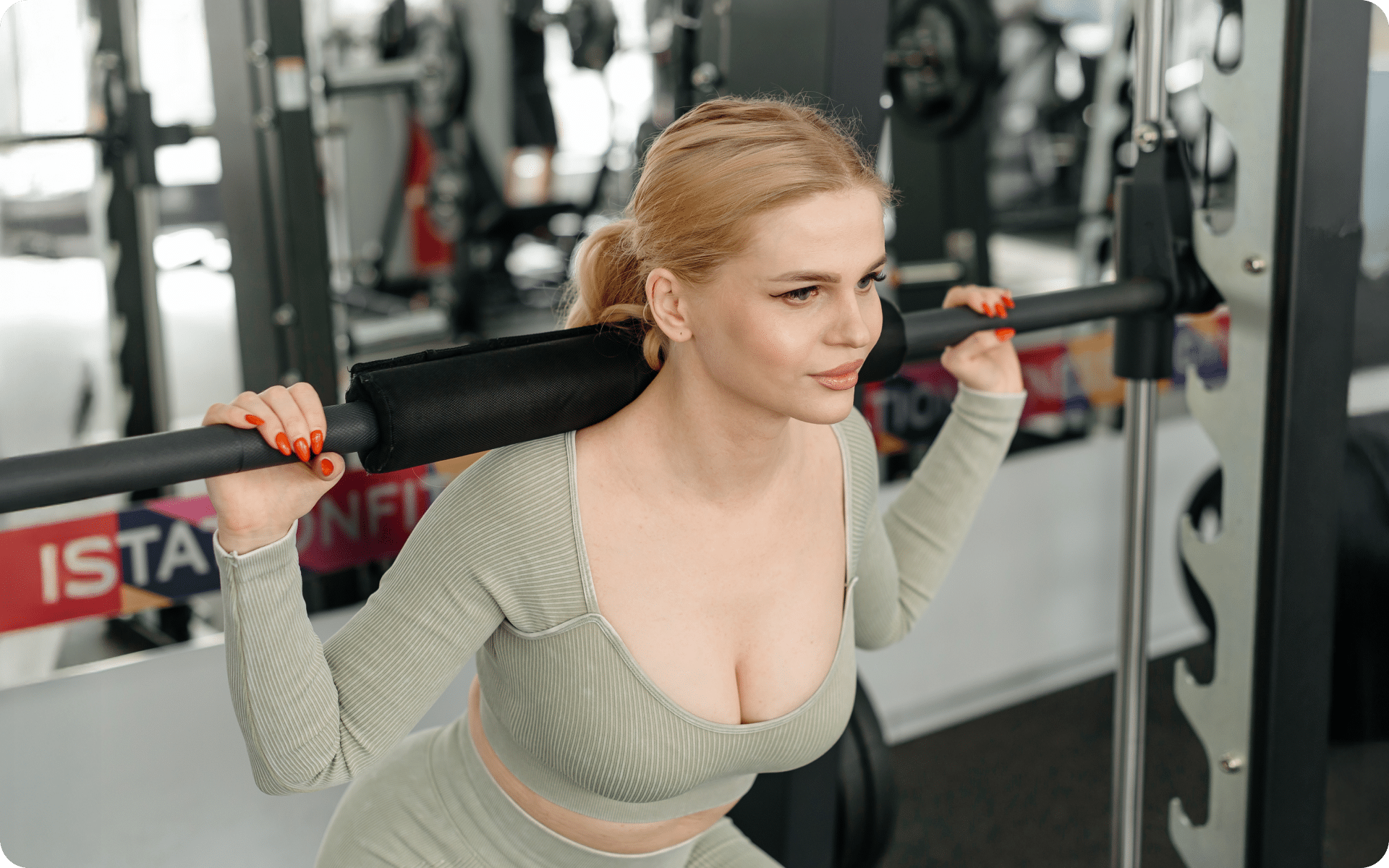
If you are training in a gym, you will have access to machines, dumbbells, resistance equipment, cardio machines, and other tools. However, having access to more equipment does not mean you need to use everything on Day 1. Learning a small number of basic movements is usually more useful than attempting a complicated workout.
| Fitness Essential | Why It Helps on Day 1 |
|---|---|
| Comfortable clothing | Allows unrestricted movement |
| Suitable shoes | Provides comfort and stability |
| Water bottle | Makes hydration convenient |
| Workout towel | Helps maintain cleanliness |
| Exercise mat | Useful for floor-based exercises |
| Resistance band | Adds simple resistance at home |
| Notebook or fitness app | Helps track workouts and progress |
Pack Your Water Bottle and Stay Hydrated
Hydration is another simple part of your Day 1 preparation. Bring water with you and drink according to your thirst and the demands of your workout. If you exercise in hot conditions or sweat heavily, your fluid needs may be higher.
You do not need complicated hydration products for an ordinary beginner workout. For most moderate sessions, plain water is a practical choice. The bigger priority is remembering to drink regularly throughout the day rather than waiting until you feel extremely thirsty.
Plan a Simple Beginner Workout
Your first workout should be manageable. A basic session can begin with several minutes of easy movement to raise your body temperature, followed by a handful of fundamental exercises. You can finish with gentle movement and a short cooldown.
A beginner-friendly session might include bodyweight squats, an incline or wall push-up, glute bridges, a supported lunge, a standing march, and a short plank variation. Perform controlled repetitions rather than rushing. If an exercise feels too difficult, modify it instead of forcing yourself through poor technique.
Never Skip the Warm-Up
A warm-up prepares your body for physical activity by gradually increasing movement and intensity. It can be as simple as walking, marching in place, moving your arms, performing controlled bodyweight squats, or completing other gentle dynamic movements.
The warm-up should not exhaust you. Its purpose is to transition from rest into exercise. Spend a few minutes moving comfortably before beginning the main portion of your workout, especially if you have been sitting for a long time.
Learn Exercise Technique First
Beginners should prioritize technique before increasing repetitions, resistance, or workout intensity. Good technique helps you control each movement and understand how your body is supposed to work during an exercise. It also makes future progression easier.
If you are uncertain about an exercise, choose an easier variation or ask a qualified fitness professional for guidance. You do not need to perform advanced movements during your first session. Building a foundation with simple exercises is a much better starting point.
Prepare a Simple Nutrition Plan
Food can support your fitness routine, but Day 1 does not require a complicated diet. Focus on balanced meals containing nutritious sources of protein, carbohydrates, healthy fats, fruits, vegetables, and adequate fluids. Your overall eating pattern matters more than finding one perfect meal.
Avoid extreme restrictions simply because you have started exercising. Beginners sometimes believe that a demanding workout must be followed by a highly restrictive diet. Sustainable fitness is generally easier when your nutrition supports your energy needs and can realistically fit into your everyday life.
Get Enough Rest and Recovery
Recovery is an important part of your fitness journey. Your body needs time to adapt to physical activity, particularly when you are new to structured exercise. You may experience some muscle soreness after your first session, especially if the movements are unfamiliar.
Rest does not mean you have failed. It means you are allowing your body to recover. Light walking and normal daily movement can be useful on easier days, while demanding training sessions should be balanced with sufficient recovery.
Track Your Day 1 Progress
You do not need sophisticated measurements to track your beginning. Write down what exercises you performed, how long you trained, and how the workout felt. You can also record the number of repetitions or the resistance used when appropriate.
Tracking creates a reference point. Several weeks later, you can compare your current performance with your first workout. Perhaps you can perform more repetitions, exercise for longer, move with better control, or recover more comfortably. These small improvements are meaningful signs of progress.
Build the Right Fitness Mindset
One of the most important items on any beginner fitness checklist cannot be placed inside a gym bag: your mindset. You should expect progress to take time. Some workouts will feel excellent, while others may feel difficult. Neither experience determines your long-term success.
Avoid comparing your Day 1 performance with someone who has been training for years. Everyone starts from a different point. Concentrate on improving your own habits and becoming slightly more capable over time. Consistency is more valuable than trying to achieve perfection.
Common Day 1 Mistakes to Avoid
A common mistake is making the first workout far too difficult. Beginners may believe that an extremely intense session will produce faster results, but excessive intensity can make recovery difficult and discourage future workouts. Start with a level that allows you to finish feeling challenged but capable.
Another mistake is focusing entirely on appearance or the scale. Fitness includes strength, endurance, mobility, confidence, energy, and functional ability. These improvements may develop even when body weight changes slowly. Give yourself time to notice the broader benefits of becoming more active.
Your Day 1 Checklist in Action
Before starting, make sure you have comfortable clothing, suitable footwear, water, and a simple workout plan. If you are exercising at home, clear enough space to move safely. If you are going to a gym, become familiar with the facility and begin with equipment that you understand.
During the session, concentrate on controlled movements and comfortable effort. Afterward, note what you enjoyed and what felt difficult. This information can help you adjust your next workout instead of blindly repeating the same routine.
How to Stay Consistent After Day 1
The real challenge begins after the excitement of the first workout fades. Create a schedule that fits your lifestyle rather than copying someone else’s routine. If three short workouts per week are realistic for you, start there. You can gradually increase your activity as your fitness improves.
Make exercise easier to repeat by preparing ahead of time. Keep your workout clothes accessible, decide when you will exercise, and have a basic routine ready. When fitness becomes part of your normal schedule, you rely less on motivation and more on established habits.
Conclusion
A beginner fitness checklist does not need to be complicated. Comfortable clothing, suitable footwear, water, a simple workout plan, basic nutrition, and a commitment to consistency are enough to begin. You do not need perfect equipment or an advanced training program on your first day.
Use Day 1 as an opportunity to learn rather than a test of your physical limits. Start slowly, focus on good movement, listen to your body, and give yourself time to improve. With regular training and sensible recovery, today’s beginner can gradually develop greater strength, endurance, confidence, and overall fitness.
FAQs
What should a beginner bring to their first workout?
Bring comfortable workout clothes, suitable shoes, a water bottle, and a simple exercise plan. A towel and exercise mat can also be useful depending on where you train.
How long should a beginner workout on Day 1?
A short session of around 20 to 40 minutes can be enough for many beginners. The ideal duration depends on your current fitness level and the type of exercise you are performing.
Do I need gym equipment to start exercising?
No. Many effective beginner exercises use only your body weight. As your fitness improves, you can add resistance bands, dumbbells, machines, or other equipment if they suit your goals.
Should I exercise every day as a beginner?
You do not need to perform demanding workouts every day. Beginners can benefit from allowing adequate recovery between challenging sessions while staying generally active through normal daily movement.
What should I eat before my first workout?
A normal balanced meal can provide energy before exercise. If you are hungry closer to your workout, a smaller snack containing carbohydrates and some protein may be practical.
How do I know if my first workout is too difficult?
If you cannot maintain reasonable technique, feel unusually unwell, or cannot recover adequately afterward, the session may be too demanding. Reduce intensity and consider professional guidance when needed.
When should I start increasing workout difficulty?
Increase difficulty gradually after you become comfortable with your current routine. You can progress by adding repetitions, resistance, time, or more challenging exercise variations while maintaining good technique.
What is the most important thing on a beginner fitness checklist?
Consistency is arguably the most important part. Equipment can make exercise more convenient, but a realistic routine that you can repeat regularly is what creates long-term progress.
