
Starting a fitness journey can feel exciting, but knowing where to begin is not always easy. These fitness tips for beginners can help you avoid common mistakes and build a routine that is realistic, enjoyable, and sustainable. You do not need complicated exercises or intense daily workouts to make progress. The most important steps are learning proper movement, staying consistent, and giving your body enough time to adapt.
Many beginners make the mistake of trying to change everything at once. They may exercise too hard, follow unrealistic diets, or expect quick results. A better approach is to start gradually and focus on habits that you can maintain. Understanding the mistakes below can help you create a healthier relationship with exercise and make steady progress.
Why Beginners Should Start Slowly
When you first begin exercising, your body needs time to adjust to increased physical activity. Starting with manageable workouts allows your muscles, joints, and cardiovascular system to adapt gradually. Walking, basic bodyweight exercises, light resistance training, and gentle cardio can provide an excellent foundation.
Starting slowly does not mean your workouts are ineffective. In fact, gradual progression can help you remain consistent while reducing excessive soreness and fatigue. As your fitness improves, you can increase workout duration, resistance, repetitions, or intensity without overwhelming your body.
Mistake 1: Doing Too Much Too Soon
One of the most common mistakes beginners make is exercising intensely every day because they want fast results. While motivation is valuable, excessive training can leave you exhausted and make it difficult to maintain a regular routine. It may also increase the likelihood of overuse problems and poor exercise technique.
Instead, begin with a realistic schedule and increase your workload gradually. Two or three structured workouts per week can be enough to establish a strong foundation. Rest days are also an important part of training because your body needs time to recover and adapt.
Mistake 2: Ignoring Proper Exercise Form
Performing an exercise incorrectly can reduce its effectiveness and place unnecessary stress on your muscles and joints. Beginners sometimes focus on completing as many repetitions as possible rather than learning how each movement should be performed. Good technique should always come before speed or heavier resistance.
Take time to learn basic movement patterns such as squatting, pushing, pulling, hinging, and lunging. Perform each repetition slowly and under control until the movement feels natural. If you are unsure about technique, consider working with a qualified fitness professional who can provide appropriate guidance.
Mistake 3: Focusing Only on Cardio
Cardiovascular exercise is excellent for heart health, endurance, and calorie expenditure, but beginners should not overlook strength training. Resistance exercises help build and maintain muscle while supporting stronger bones, joints, and everyday movement. A balanced fitness routine should include both cardiovascular and strength-focused activities.
You can begin strength training with simple bodyweight movements such as squats, wall push-ups, lunges, glute bridges, and planks. As your abilities improve, resistance bands or light weights can add another level of challenge. Combining different forms of exercise creates a more complete fitness programme.
Mistake 4: Expecting Results Overnight
Another common mistake is becoming discouraged because physical changes do not appear immediately. Fitness improvements take time, and progress can look different for everyone. Strength, endurance, flexibility, energy levels, and movement quality may improve before visible changes become noticeable.
Instead of focusing entirely on the number on a scale or your appearance, pay attention to practical improvements. You may notice that you can walk longer, perform more repetitions, recover faster, or complete exercises that once felt difficult. These changes are meaningful signs that your fitness is improving.
Mistake 5: Neglecting Nutrition and Recovery
Exercise is only one part of a healthy lifestyle. Your body needs nutritious food, adequate hydration, and quality sleep to recover from physical activity. Consuming a balanced diet that includes protein, fruits, vegetables, whole grains, and healthy fats can provide the nutrients required for energy and recovery.
Recovery should also be treated as part of your fitness routine rather than something you do only when you feel exhausted. Getting sufficient sleep and scheduling rest days gives your muscles time to repair. Gentle walking or mobility work can also help you stay active while allowing your body to recover from harder sessions.
Building a Sustainable Beginner Fitness Routine
A successful routine should fit your lifestyle rather than completely disrupt it. Choose activities you genuinely enjoy and schedule them at times when you are most likely to follow through. A short workout that you perform consistently is generally more useful than an ambitious programme that you abandon after a few weeks.
Try to create variety by combining strength training, cardio, mobility exercises, and active recovery. This approach can keep workouts interesting while developing different aspects of physical fitness. As your confidence increases, you can gradually introduce new exercises and more challenging workouts.
How to Stay Motivated as a Beginner
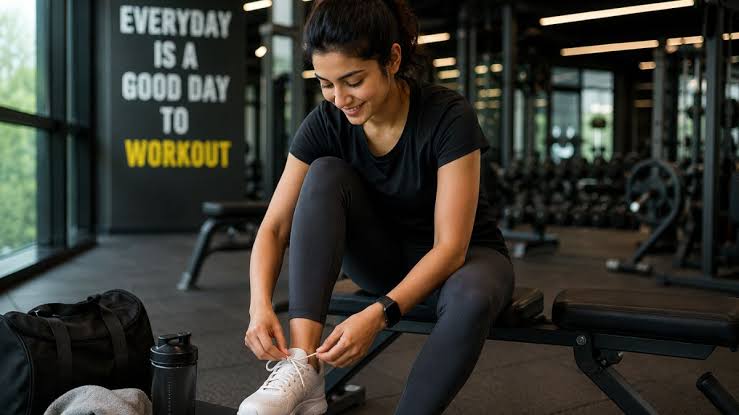
Motivation naturally changes from day to day, so relying on motivation alone can make consistency difficult. Creating a regular schedule turns exercise into a habit that requires less mental effort. Preparing your workout clothes in advance or setting a specific exercise time can make getting started easier.
Tracking small achievements can also keep you encouraged. Write down your workouts, repetitions, walking distance, or exercise duration so you can see improvements over time. Remember that missed workouts happen; instead of giving up, simply return to your routine at the next opportunity.
Conclusion
These fitness tips for beginners can help you avoid the mistakes that often make starting a workout routine unnecessarily difficult. Doing too much too soon, ignoring proper form, focusing only on cardio, expecting instant results, and neglecting nutrition and recovery can all interfere with progress. A gradual approach allows you to build strength and confidence while creating habits that can last.
The goal of beginning fitness should not be perfection. Focus on consistency, listen to your body, learn proper technique, and celebrate small improvements along the way. With patience, balanced nutrition, regular movement, and adequate recovery, your beginner routine can become a strong foundation for a healthier and more active lifestyle.
FAQs
How often should a beginner exercise?
Most beginners can start with three to four active days per week, combining different forms of exercise and allowing enough recovery between demanding sessions.
What is the best exercise for someone starting out?
Walking, bodyweight squats, modified push-ups, lunges, glute bridges, and basic core exercises are excellent starting options because they can be adjusted to different fitness levels.
Should beginners exercise every day?
Not necessarily. Rest and recovery are important, especially when your body is adapting to a new training routine. Light activities such as walking can be suitable on recovery days.
How long should a beginner workout last?
A beginner workout can be around 20 to 45 minutes, depending on your fitness level, goals, and available time. Consistency matters more than having extremely long sessions.
Should I lose weight before starting strength training?
No. Strength training can be part of a healthy fitness programme at any body weight. Building muscle and improving strength can support overall health and physical performance.
Why am I sore after starting exercise?
Muscle soreness can occur when your body is exposed to movements or training demands it is not accustomed to. Gradually increasing activity and allowing recovery can help your body adapt.
How quickly can beginners see fitness results?
Progress varies, but improvements in strength, endurance, and energy can develop within several weeks of consistent training. Visible changes generally take longer and depend on many factors.
What is the biggest beginner fitness mistake?
Trying to progress too quickly is one of the most common mistakes. Building a sustainable routine and increasing difficulty gradually can produce better long-term results.
