

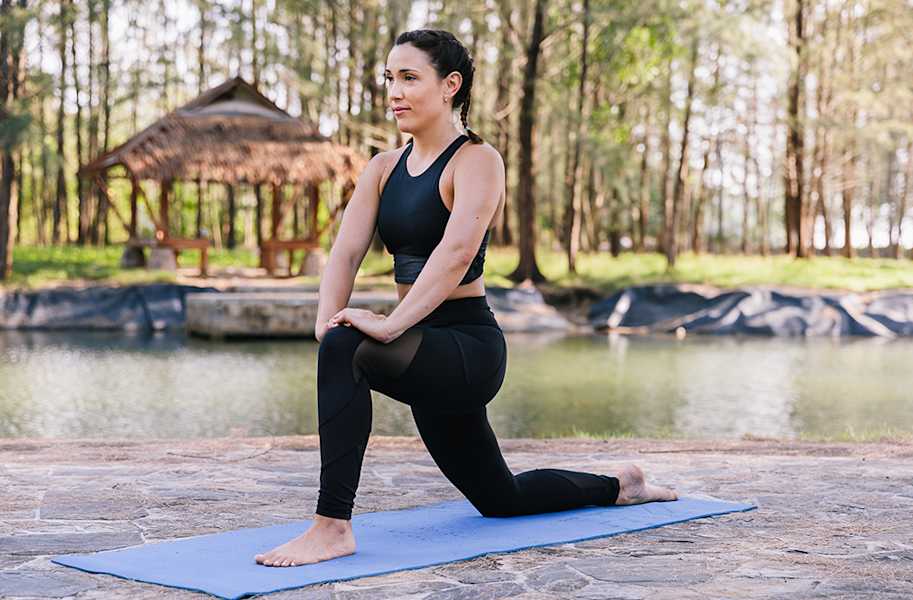
A Full body stretching routine: Protect Your Joints & Boost Recovery is one of the most effective ways to improve flexibility, reduce muscle stiffness, and support long-term physical health. Whether you exercise regularly, play sports, or spend long hours sitting at a desk, stretching helps maintain healthy joints and improves the body’s natural range of motion. A consistent stretching routine can also reduce muscle tension, improve posture, and prepare your body for daily activities.
Many people focus on strength training and cardio while overlooking recovery. However, stretching plays a vital role in maintaining muscle balance and preventing unnecessary strain on the joints. By dedicating just a few minutes each day to a full body stretching routine, you can improve mobility, enhance workout performance, and recover more efficiently after physical activity.
Why a Full Body Stretching Routine Is Important
Stretching improves the flexibility of muscles and connective tissues, allowing your joints to move more freely and efficiently. Better mobility helps reduce stiffness, improves posture, and lowers the risk of muscle imbalances that can lead to discomfort during everyday activities or exercise.
A regular stretching routine also promotes healthy blood circulation throughout the body. Increased blood flow delivers oxygen and nutrients to muscles while supporting recovery after physical activity. Over time, improved flexibility and circulation contribute to better movement quality and overall physical well-being.
Benefits of Protecting Your Joints Through Stretching
Healthy joints rely on strong muscles and good flexibility to function properly. Stretching helps reduce excessive stress on the knees, hips, shoulders, and lower back by improving the movement of surrounding muscles. This balanced support can make walking, lifting, and exercising feel smoother and more comfortable.
Maintaining joint mobility is especially important as people age. Regular stretching helps preserve flexibility and may reduce stiffness associated with long periods of inactivity. When combined with strength training and an active lifestyle, stretching supports better joint health throughout life.
Preparing Your Body Before Stretching
Before beginning a stretching routine, spend five to ten minutes performing light movements such as walking, marching in place, or gentle cycling. A brief warm-up increases body temperature and blood flow, making muscles more responsive to stretching while reducing the risk of strains.
During your stretching session, move slowly into each position without bouncing. Stretch until you feel mild tension rather than pain, and maintain steady breathing throughout each movement. Relaxed breathing encourages muscles to release tension naturally and improves the effectiveness of every stretch.
Full Body Stretching Routine for Daily Recovery
Begin with gentle neck and shoulder stretches to relieve upper-body tension caused by prolonged sitting or computer work. Continue with chest and upper back stretches to improve posture and open the shoulders. Stretch the arms, wrists, and forearms to reduce tightness from repetitive daily movements.
Move on to the lower body by stretching the hips, quadriceps, hamstrings, calves, and glutes. Finish with gentle spinal twists and lower back stretches to improve overall mobility. Holding each stretch for twenty to thirty seconds allows muscles to relax while promoting greater flexibility over time.
Stretching After Workouts
Stretching after exercise supports recovery by helping muscles gradually return to their resting length. Following strength training or cardiovascular exercise, gentle static stretches may reduce feelings of muscle tightness and improve overall comfort during recovery.
Post-workout stretching also provides an opportunity to relax both physically and mentally. Slowing your breathing while stretching encourages your heart rate to return to normal and helps your body transition from intense activity into the recovery phase.
Common Stretching Mistakes to Avoid
One of the most common mistakes is stretching cold muscles without first warming up. Muscles respond better when they are already receiving increased blood flow, making a short warm-up an important part of every stretching routine. Another mistake is forcing a stretch beyond your comfortable range of motion, which may increase the risk of injury.
Holding your breath during stretches can also reduce relaxation and make muscles feel tighter. Instead, breathe slowly and deeply while maintaining each position. Consistent breathing helps improve flexibility and creates a more comfortable stretching experience.
Making Stretching Part of Your Daily Routine
Developing a daily stretching habit does not require a large time commitment. Spending ten to fifteen minutes each morning or evening can significantly improve flexibility and reduce muscle stiffness. Consistency produces better long-term results than occasional lengthy stretching sessions.
You can also include stretching during work breaks, after walks, or before bedtime. Incorporating stretching into your existing routine makes it easier to maintain healthy movement habits while supporting recovery from exercise and everyday physical demands.
Nutrition and Recovery for Flexible Muscles
Good nutrition contributes to healthy muscles and joints alongside regular stretching. Eating a balanced diet rich in lean protein, fruits, vegetables, whole grains, and healthy fats supports tissue repair and overall mobility. Proper hydration is equally important because muscles function more efficiently when the body is well hydrated.
Quality sleep allows the body to recover naturally after daily activity and exercise. Combining adequate rest with stretching, healthy eating, and regular physical activity creates a balanced recovery plan that supports long-term flexibility and joint health.
Conclusion
A Full body stretching routine: Protect Your Joints & Boost Recovery is an essential part of a healthy fitness lifestyle. Stretching improves flexibility, enhances mobility, reduces muscle stiffness, and supports joint function while promoting better posture and movement quality. Whether you are an athlete or simply looking to stay active, regular stretching provides lasting physical benefits.
The key to success is consistency. Performing gentle stretches every day, combined with balanced nutrition, proper hydration, and regular exercise, helps protect your joints and encourages faster recovery. Over time, these healthy habits can improve comfort, reduce the risk of injury, and support better overall physical performance.
FAQs
How often should I perform a full-body stretching routine?
Most people benefit from stretching at least three to five times per week, while gentle daily stretching provides even greater improvements in flexibility and mobility.
How long should I hold each stretch?
Holding each stretch for twenty to thirty seconds is generally recommended to improve flexibility without placing excessive stress on the muscles.
Should I stretch before or after exercise?
Dynamic stretching is ideal before exercise as part of a warm-up, while static stretching is often more suitable after workouts to support recovery.
Can stretching reduce muscle soreness?
Stretching may help reduce feelings of muscle tightness and improve comfort after exercise, although proper recovery also depends on nutrition, hydration, and adequate rest.
Is stretching good for joint health?
Yes. Regular stretching improves flexibility around the joints, helping maintain healthy movement patterns and reducing unnecessary stress on surrounding tissues.
Can beginners follow a full body stretching routine?
Absolutely. Beginners should perform gentle stretches within a comfortable range of motion and gradually improve flexibility through consistent practice.
Does stretching improve posture?
Yes. Stretching tight muscles and improving mobility can help support better posture, especially when combined with strengthening exercises.
How long does it take to become more flexible?
Many people notice improvements in flexibility within four to six weeks of regular stretching, although results vary depending on consistency and individual fitness levels.
