
A Glute workout at home: Simple Routines You Can Do Anywhere is an effective way to strengthen your lower body without needing a gym membership or expensive fitness equipment. Your glute muscles play a vital role in everyday movement, supporting activities such as walking, running, climbing stairs, and maintaining good posture. By training these muscles consistently, you can improve strength, balance, mobility, and overall athletic performance.
Home workouts are convenient, affordable, and suitable for all fitness levels. Whether you are a beginner starting your fitness journey or someone looking to enhance lower-body strength, bodyweight glute exercises can deliver impressive results. This guide explains the benefits of glute training, the best exercises to perform at home, and tips for maximizing your progress.
Why a Glute Workout at Home Is Important
Strong glute muscles support the hips, lower back, and knees, helping reduce the risk of injuries during daily activities and exercise. Since the glutes are among the largest muscle groups in the body, strengthening them also improves overall lower-body stability and functional movement. Better glute activation can even help relieve discomfort caused by prolonged sitting.
Training your glutes at home eliminates common barriers such as travel time, gym fees, and limited schedules. With just a small amount of space, you can complete an effective workout that strengthens your muscles while improving endurance and flexibility. Consistency is easier to maintain when exercise fits comfortably into your daily routine.
Benefits of Strengthening Your Glutes
Building stronger glutes provides more than aesthetic benefits. Well-developed glute muscles improve posture by supporting proper spinal alignment and reducing unnecessary strain on the lower back. They also enhance balance and coordination, making everyday tasks easier and safer.
Regular glute training contributes to better athletic performance by increasing power during activities such as running, jumping, cycling, and hiking. In addition, stronger muscles help improve metabolism because muscle tissue requires more energy than fat tissue, supporting long-term fitness and healthy weight management.
Warming Up Before Your Glute Workout
A proper warm-up prepares your muscles and joints for exercise while reducing the likelihood of injury. Begin with five minutes of light cardio such as marching in place, jogging, or brisk walking. These activities increase blood circulation and gradually elevate your heart rate before your workout begins.
Follow your cardio warm-up with dynamic stretches targeting the hips, hamstrings, quadriceps, and glutes. Gentle leg swings, hip circles, and bodyweight squats improve mobility and activate the muscles you will use throughout the session. Preparing your body beforehand allows for better movement quality and improved exercise performance.
Best Bodyweight Glute Exercises
Bodyweight squats are among the most effective exercises for developing glute strength. Lower your hips while keeping your chest lifted and your knees aligned with your toes. This movement strengthens the glutes, quadriceps, and hamstrings while improving lower-body mobility and balance.
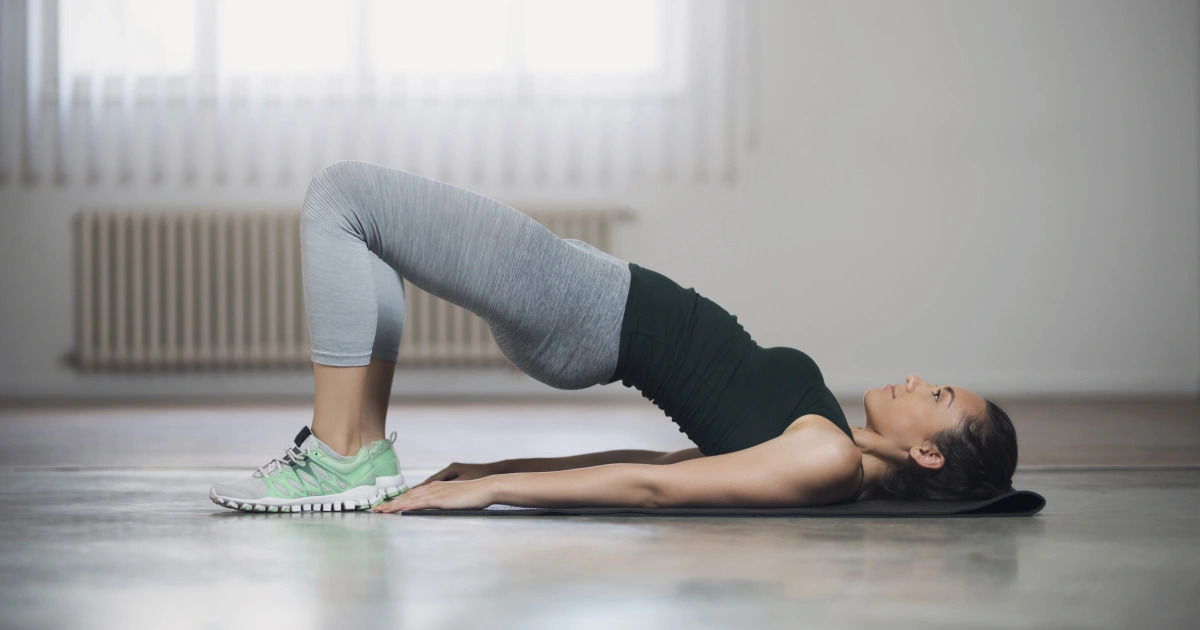
Glute bridges are another excellent exercise that specifically targets the glute muscles. By lifting your hips toward the ceiling while squeezing your glutes at the top, you increase muscle activation and strengthen the hips. Lunges also provide an effective way to improve leg strength, balance, and coordination while engaging each side of the body individually.
Creating an Effective Home Glute Routine
A balanced glute workout should include exercises that challenge your muscles from different angles. Begin with squats to activate the lower body, followed by glute bridges, reverse lunges, donkey kicks, and fire hydrants. Finish with wall sits or single-leg glute bridges to increase muscular endurance and stability.
Perform each exercise with controlled movements and focus on proper technique rather than speed. Completing two to four rounds while maintaining consistent effort creates sufficient training volume for muscle development. As your strength improves, gradually increase repetitions or choose more advanced exercise variations.
Progressive Overload Without Equipment
Even without weights, your glutes can continue becoming stronger through progressive overload. Increasing the number of repetitions, slowing the movement, extending the time under tension, or performing single-leg variations all provide greater muscular challenge. These adjustments encourage continued adaptation and prevent training plateaus.
Another effective strategy is reducing rest periods between exercises while maintaining good form. This increases workout intensity and improves muscular endurance. Consistently introducing new challenges helps your glutes grow stronger while keeping your workouts engaging and effective.
Nutrition and Recovery for Glute Growth
Nutrition is essential for supporting muscle recovery and development. Eating enough lean protein provides the amino acids needed to repair muscle tissue after training. Healthy carbohydrates restore energy stores, while fruits, vegetables, and healthy fats contribute important vitamins, minerals, and antioxidants that support overall health.
Recovery is equally important because muscles grow stronger during periods of rest rather than during exercise itself. Aim for seven to nine hours of quality sleep each night and allow recovery days between intense lower-body workouts. Staying hydrated throughout the day also supports muscle function and improves overall recovery.
Staying Consistent With Your Fitness Goals
Long-term success comes from consistency rather than perfection. Establishing a realistic workout schedule that fits your lifestyle makes it easier to maintain healthy exercise habits. Even twenty to thirty minutes of focused glute training several times each week can produce noticeable improvements over time.
Tracking your progress can also boost motivation. Recording workout sessions, repetitions, or exercise variations helps you measure improvement and celebrate small milestones. Remaining patient and committed to gradual progress will lead to stronger glutes, improved confidence, and better overall fitness.
Conclusion
A Glute workout at home: Simple Routines You Can Do Anywhere offers an effective solution for building lower-body strength without requiring expensive equipment or a gym membership. Bodyweight exercises such as squats, glute bridges, lunges, and donkey kicks target the glute muscles while improving balance, mobility, posture, and overall physical performance.
Consistent training, proper technique, balanced nutrition, and adequate recovery are the foundations of long-term success. By following a structured home workout routine and gradually increasing the challenge, you can strengthen your glutes, support better movement, and enjoy lasting improvements in your overall health and fitness.
FAQs
How often should I do a glute workout at home?
Training your glutes two to four times per week allows enough stimulation for muscle growth while providing sufficient recovery between sessions.
Can bodyweight exercises build stronger glutes?
Yes. Bodyweight exercises effectively strengthen the glute muscles, especially when you progressively increase repetitions, intensity, or exercise difficulty.
Do I need equipment for glute training?
No. Many effective glute exercises, including squats, glute bridges, lunges, and donkey kicks, require only your body weight.
How long should a glute workout last?
Most home glute workouts last between 20 and 40 minutes, depending on your fitness level and the number of exercises performed.
What is the best exercise for glute activation?
Glute bridges are among the best exercises for activating the glute muscles because they directly target the hips while minimizing stress on the lower back.
Can glute workouts improve posture?
Yes. Strong glutes help stabilize the pelvis and spine, contributing to better posture and reducing strain on the lower back.
Should I stretch after a glute workout?
Yes. Gentle stretching after exercise improves flexibility, reduces muscle tightness, and supports recovery for future workouts.
How long does it take to see glute workout results?
With regular exercise, balanced nutrition, and proper recovery, many people notice improvements in strength within four to six weeks, while visible muscle development may take two to three months.
