

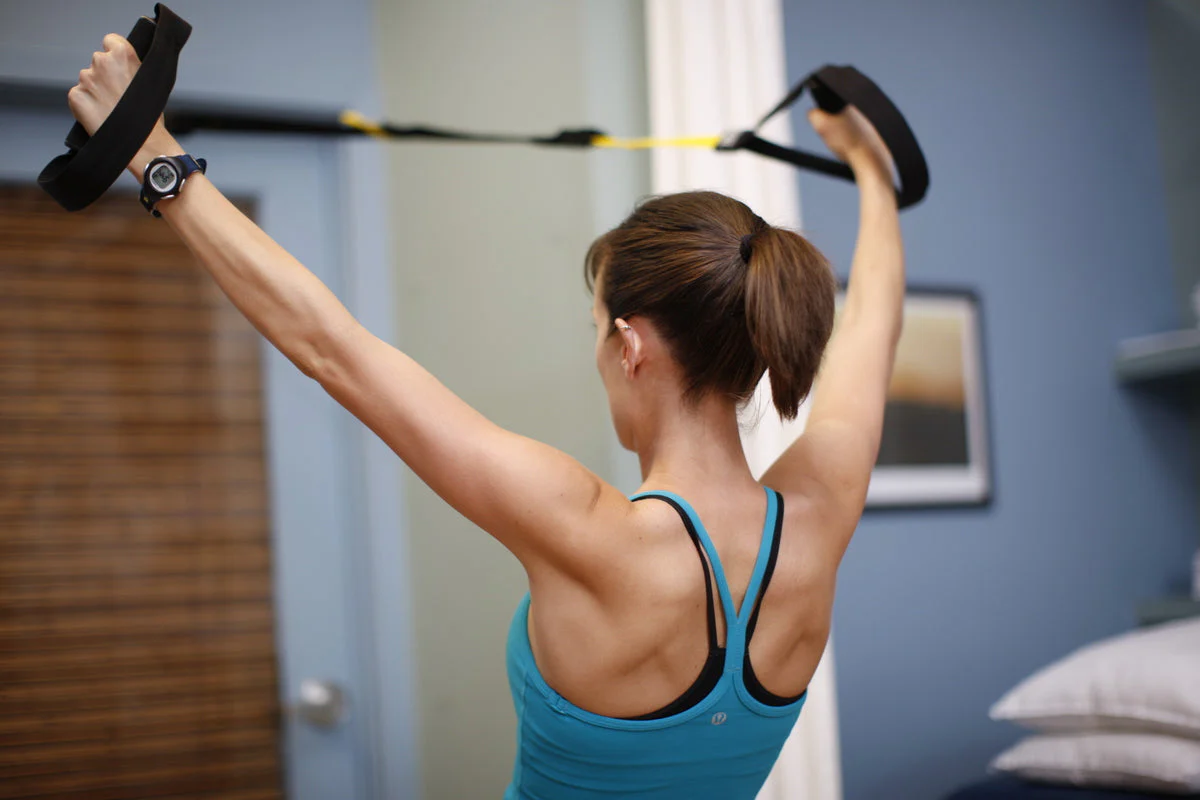
A Shoulder workout at home: Home Routine for Better Posture is an excellent way to strengthen your upper body while improving posture, balance, and overall functional fitness. Strong shoulders play a vital role in everyday movements, from lifting objects to maintaining proper alignment while sitting or standing. The best part is that you do not need expensive gym equipment to build stronger, healthier shoulders from the comfort of your home.
Many people spend long hours working at desks or using electronic devices, leading to rounded shoulders and poor posture. A well-designed home shoulder workout helps strengthen the muscles responsible for keeping your shoulders aligned while improving flexibility and reducing muscle stiffness. With consistency and proper technique, you can develop stronger shoulders that support better posture and reduce the risk of discomfort.
Why Shoulder Strength Matters
Strong shoulder muscles support nearly every upper-body movement, making them essential for daily activities and sports performance. The shoulders work together with the chest, back, and core to stabilize your upper body during pushing, pulling, lifting, and reaching movements. Strengthening these muscles improves functional fitness while reducing strain on surrounding joints.
Good shoulder strength also contributes to better posture by helping pull the shoulders back into proper alignment. This can reduce neck tension, improve spinal positioning, and create a more confident appearance. Developing balanced shoulder muscles is especially important for individuals who spend long periods sitting throughout the day.
Benefits of a Shoulder Workout at Home
Training your shoulders at home offers convenience and flexibility without requiring a gym membership. Bodyweight exercises effectively target the front, side, and rear shoulder muscles while engaging the upper back and core. These movements help improve stability, coordination, and muscular endurance over time.
Regular shoulder workouts also enhance athletic performance and reduce the likelihood of common shoulder injuries. Strong, stable shoulders improve movement efficiency during activities such as swimming, tennis, boxing, and everyday lifting tasks. Consistent training supports both fitness goals and long-term joint health.
Warm-Up Before Training
A proper warm-up prepares your shoulders for exercise by increasing blood flow and improving mobility. Begin with gentle arm circles, shoulder rolls, and controlled arm swings to loosen the joints and activate the surrounding muscles. These simple movements help reduce stiffness while preparing your body for more demanding exercises.
Continue with dynamic stretches that target the chest, upper back, and shoulders. Performing a thorough warm-up allows better movement quality throughout your workout while lowering the risk of muscle strains or joint discomfort.
Home Shoulder Workout Routine
Start your routine with pike push-ups, which effectively strengthen the shoulders while also engaging the chest and triceps. Continue with shoulder taps performed from a high plank position to improve shoulder stability, balance, and core strength. These exercises build functional upper-body strength without requiring equipment.
Next, perform arm circles, reverse snow angels, and wall slides to strengthen the rear shoulders and upper back while improving posture. Finish the routine with plank shoulder reaches and isometric wall holds to increase muscular endurance. Perform each movement with controlled repetitions, focusing on proper posture rather than speed.
Improving Posture Through Shoulder Training
Better posture depends on strengthening the muscles that support proper spinal alignment. Exercises that target the rear shoulders and upper back help counteract the forward-rounded posture commonly caused by prolonged sitting and device use. Developing these muscles encourages a more upright standing position and reduces unnecessary stress on the neck.
Practicing good posture throughout the day is equally important. Keep your shoulders relaxed, your chest open, and your head aligned over your spine while sitting, standing, and walking. Combining healthy posture habits with regular shoulder training produces lasting improvements.
Common Mistakes to Avoid
One of the most common mistakes is allowing poor form to replace controlled movement. Performing exercises too quickly reduces muscle activation and increases the risk of shoulder strain. Focus on slow, deliberate repetitions while maintaining proper body alignment during every exercise.
Another mistake is training only the front shoulder muscles while neglecting the rear shoulders and upper back. Balanced shoulder development is essential for maintaining healthy posture and preventing muscular imbalances that may contribute to discomfort or reduced mobility.
Nutrition and Recovery
Muscles recover and grow stronger after exercise, making proper nutrition an important part of every fitness routine. Consume lean proteins such as chicken, fish, eggs, Greek yogurt, or beans to support muscle repair. Healthy carbohydrates and nutrient-rich vegetables provide energy while supplying vitamins and minerals needed for recovery.
Adequate sleep and hydration also contribute to better performance and muscle recovery. Aim for seven to nine hours of quality sleep each night while drinking enough water throughout the day. Including recovery days between intense shoulder workouts helps prevent overuse injuries and supports long-term progress.
Staying Consistent With Your Routine
Consistency is the foundation of successful fitness results. Performing shoulder workouts two or three times each week allows your muscles to strengthen while providing enough recovery between sessions. Gradually increasing repetitions or progressing to more challenging exercise variations helps maintain continuous improvement.
Tracking your progress can also improve motivation. Recording your workouts, posture improvements, or increased exercise capacity provides visible evidence of your progress and encourages long-term commitment to your fitness goals.
Conclusion
A Shoulder workout at home: Home Routine for Better Posture is an effective way to strengthen your shoulders, improve posture, and support overall upper-body health without purchasing expensive equipment. Bodyweight exercises build stability, endurance, and functional strength while helping correct the muscular imbalances often caused by modern sedentary lifestyles.
Combining consistent shoulder training with proper posture habits, balanced nutrition, and sufficient recovery creates lasting improvements in both appearance and physical performance. By making shoulder health a regular part of your fitness routine, you can reduce discomfort, move more efficiently, and enjoy stronger, healthier shoulders for years to come.
FAQs
Can I build shoulder muscles without weights?
Yes. Bodyweight exercises such as pike push-ups, shoulder taps, plank reaches, and wall slides effectively strengthen the shoulders without equipment.
How often should I train my shoulders at home?
Training your shoulders two to three times per week provides enough stimulus for growth while allowing adequate recovery.
Will shoulder exercises improve my posture?
Yes. Strengthening the shoulders and upper back helps support proper spinal alignment and reduces rounded shoulder posture.
Are home shoulder workouts suitable for beginners?
Absolutely. Beginners can start with basic bodyweight exercises and gradually increase intensity as their strength improves.
How long should a shoulder workout last?
Most home shoulder workouts can be completed in 20 to 40 minutes, depending on the number of exercises and workout intensity.
What should I eat after a shoulder workout?
A balanced meal containing lean protein, healthy carbohydrates, and vegetables supports muscle recovery and replenishes energy stores.
Can shoulder workouts reduce neck pain?
Strengthening the muscles around the shoulders and improving posture may help reduce neck discomfort caused by poor posture, although persistent pain should be evaluated by a healthcare professional.
How long does it take to improve posture?
Many people notice improvements in posture and shoulder strength within four to eight weeks when exercising consistently and maintaining good posture habits throughout the day.
