
A Leg workout at home: Crush Your Lower Body Goals is one of the most effective ways to build strength, improve mobility, and enhance overall fitness without stepping into a gym. Strong legs are the foundation of almost every movement you make, from walking and climbing stairs to running and jumping. A well-planned home leg workout helps strengthen your quadriceps, hamstrings, glutes, calves, and supporting muscles while improving balance and stability.
The best part about training your legs at home is that you do not need expensive equipment to achieve excellent results. Bodyweight exercises provide enough resistance to challenge your muscles, especially when combined with proper technique and consistent progression. This guide explains how to create an effective lower-body routine that supports strength, endurance, and long-term fitness.
Why a Leg Workout at Home Is Effective
Home leg workouts are convenient, affordable, and suitable for every fitness level. Since they require little or no equipment, you can train whenever your schedule allows. Consistency becomes much easier when you eliminate the need to travel to a gym or wait for machines to become available.
Bodyweight leg exercises also improve functional strength by mimicking natural movement patterns. Squatting, lunging, and stepping movements strengthen muscles that you use every day, helping improve posture, coordination, and overall athletic performance while reducing the risk of injury.
Benefits of Training Your Lower Body
Strong lower-body muscles support better movement and increase overall physical performance. Regular leg workouts improve muscular endurance, strengthen joints, and enhance stability, making everyday activities feel easier. They also contribute to better balance, reducing the likelihood of falls and improving overall mobility.
Leg training also helps increase calorie expenditure because the lower body contains some of the largest muscle groups in the body. Challenging these muscles encourages greater energy use during and after exercise, supporting healthy weight management and improved cardiovascular fitness.
Warm-Up Before Your Leg Workout
A proper warm-up prepares your muscles and joints for exercise while reducing the risk of strains and injuries. Begin with five minutes of light activity such as marching in place, jogging, or jumping jacks to increase blood circulation and gradually elevate your heart rate.
Follow your cardio warm-up with dynamic stretches such as leg swings, hip circles, walking lunges, and bodyweight squats. These movements improve flexibility and activate the muscles you will use during your workout, helping you perform each exercise with better control and efficiency.
Best Bodyweight Exercises for Strong Legs
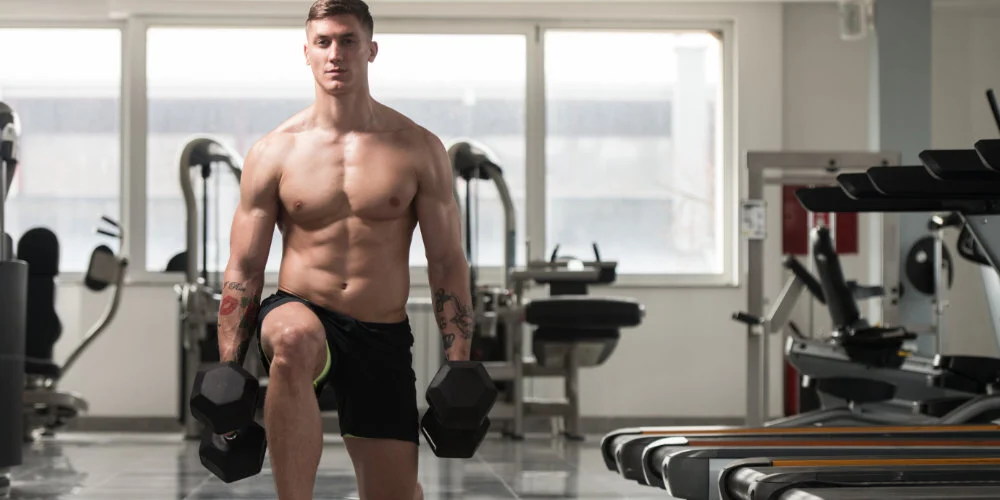
Squats are one of the most effective lower-body exercises because they strengthen the quadriceps, hamstrings, glutes, and core simultaneously. Lunges also target these muscles while improving balance and coordination by challenging each leg independently. Glute bridges activate the hips and lower back, making them an excellent addition to any home workout routine.
Calf raises strengthen the lower legs and improve ankle stability, while wall sits develop muscular endurance by keeping your leg muscles under constant tension. Combining these exercises creates a complete lower-body workout that promotes balanced strength and functional movement.
Sample Leg Workout at Home Routine
Start your workout with bodyweight squats, focusing on controlled movement and proper depth. Continue with alternating forward lunges, glute bridges, calf raises, and wall sits. Perform each exercise with good technique while maintaining steady breathing throughout every repetition.
Complete the exercises in a circuit, resting briefly between movements before repeating the routine two to four times depending on your fitness level. As your strength improves, increase repetitions, reduce rest periods, or progress to more advanced variations to continue challenging your muscles.
Progressive Overload Without Equipment
Progressive overload is essential for continued muscle growth, even when using only bodyweight exercises. You can increase the challenge by performing more repetitions, slowing each movement, adding pauses at the bottom of squats, or progressing to single-leg exercises such as Bulgarian split squats or pistol squat progressions.
Consistency is more important than rapid progression. Gradually increasing workout difficulty allows your muscles to adapt safely while reducing the risk of overtraining or injury. Small improvements over time lead to significant long-term results.
Nutrition and Recovery for Lower Body Growth
Proper nutrition supports muscle recovery and helps maximise the benefits of your workouts. Eating lean protein sources such as chicken, fish, eggs, beans, or Greek yogurt provides the amino acids needed to repair muscle tissue after exercise. Healthy carbohydrates restore energy, while fruits and vegetables provide essential vitamins and minerals.
Recovery is equally important. Aim for seven to nine hours of quality sleep each night and allow at least one day of rest between intense leg workouts. Gentle stretching after exercise can reduce muscle tightness and improve flexibility, helping your body prepare for future training sessions.
Common Mistakes to Avoid
One of the most common mistakes is sacrificing proper technique for speed. Performing squats or lunges too quickly often reduces muscle activation and increases unnecessary stress on the knees and lower back. Focus on slow, controlled movements that allow each muscle group to work effectively.
Another mistake is skipping the warm-up or neglecting recovery. Cold muscles are more susceptible to injury, while insufficient recovery can slow progress and lead to fatigue. A balanced routine that includes preparation, training, and recovery delivers the best long-term results.
Staying Motivated With Home Leg Training
Maintaining consistency is the key to achieving your lower-body goals. Set realistic milestones, such as improving your squat technique, increasing repetitions, or completing additional workout rounds. Tracking your progress provides motivation and highlights how much stronger you become over time.
Adding variety also keeps workouts enjoyable. Alternate between different squat and lunge variations or change your workout intensity each week to prevent boredom. A flexible routine helps you stay committed while continuing to challenge your muscles in new ways.
Conclusion
A Leg workout at home: Crush Your Lower Body Goals is an excellent way to develop stronger legs, improve endurance, and enhance overall fitness without relying on expensive gym equipment. Bodyweight exercises such as squats, lunges, glute bridges, and calf raises effectively strengthen your lower body while improving balance, coordination, and functional movement.
Long-term success comes from consistency, proper technique, balanced nutrition, and adequate recovery. By following a structured home leg workout routine and gradually increasing the challenge, you can build powerful legs, improve athletic performance, and enjoy better overall health from the comfort of your own home.
FAQs
How often should I do a leg workout at home?
Most people achieve good results by training their legs two to three times per week while allowing enough recovery between sessions.
Can bodyweight leg exercises build muscle?
Yes. Bodyweight exercises can build muscle and strength when performed consistently with progressive overload and proper nutrition.
Do I need equipment for an effective leg workout?
No. Exercises like squats, lunges, glute bridges, calf raises, and wall sits provide an excellent lower-body workout without equipment.
How long should a home leg workout last?
A complete session usually lasts between 30 and 45 minutes, depending on your fitness level and workout intensity.
Are home leg workouts suitable for beginners?
Absolutely. Beginners can start with basic bodyweight exercises and gradually increase repetitions or difficulty as their strength improves.
What should I eat after a leg workout?
A meal containing lean protein, healthy carbohydrates, and vegetables supports muscle recovery and replenishes energy stores after exercise.
Why do my legs feel sore after training?
Muscle soreness is a normal response to challenging workouts and usually decreases as your body adapts to regular exercise.
How can I make bodyweight leg workouts harder?
Increase repetitions, reduce rest periods, slow the movement, add pauses, or progress to single-leg variations to continue building strength.
