
An Ab workout no equipment: The Complete Bodyweight Core Routine is one of the simplest and most effective ways to strengthen your core without visiting a gym or purchasing expensive fitness equipment. Your core muscles play an essential role in supporting posture, maintaining balance, improving athletic performance, and protecting your lower back. A strong core not only helps you achieve better-looking abs but also enhances your overall strength and daily movement.
Many people believe that building strong abdominal muscles requires fancy machines or weighted exercises. In reality, bodyweight core training can produce excellent results when performed consistently with proper technique. This guide explores the benefits of no-equipment ab workouts, the most effective exercises, and practical tips to help you build a stronger, healthier core from the comfort of your home.
Why Choose an Ab Workout with No Equipment
One of the greatest advantages of bodyweight core training is convenience. You can perform these exercises almost anywhere, whether at home, in a park, or while traveling. Since no equipment is required, there are no financial barriers or space limitations, making it easier to stay consistent with your fitness routine.
Bodyweight ab exercises also improve functional strength by engaging multiple muscle groups at once. Instead of isolating only the abdominal muscles, many movements activate the lower back, hips, shoulders, and glutes, creating better overall stability and improving performance during everyday activities and sports.
Benefits of a Strong Core
A strong core provides much more than visible abdominal muscles. It supports the spine, improves posture, and helps reduce the risk of lower back discomfort by stabilizing the body during movement. Strong core muscles also enhance balance and coordination, making everyday tasks and physical activities easier and safer.
Core training also contributes to better athletic performance. Whether you enjoy running, cycling, swimming, boxing, or strength training, a stable core improves power transfer between the upper and lower body. This allows you to move more efficiently while reducing unnecessary strain on your joints.
Essential Bodyweight Core Exercises
Some of the most effective no-equipment ab exercises include planks, bicycle crunches, mountain climbers, leg raises, dead bugs, and flutter kicks. These exercises target different areas of the core, including the rectus abdominis, obliques, transverse abdominis, and lower back muscles. Performing a variety of movements ensures balanced core development and prevents workout boredom.
Each exercise should be performed with slow, controlled movements rather than rushing through repetitions. Focusing on proper form increases muscle activation while reducing the risk of neck or lower back strain. Quality movement is always more beneficial than performing a high number of repetitions with poor technique.
The Complete Bodyweight Core Routine
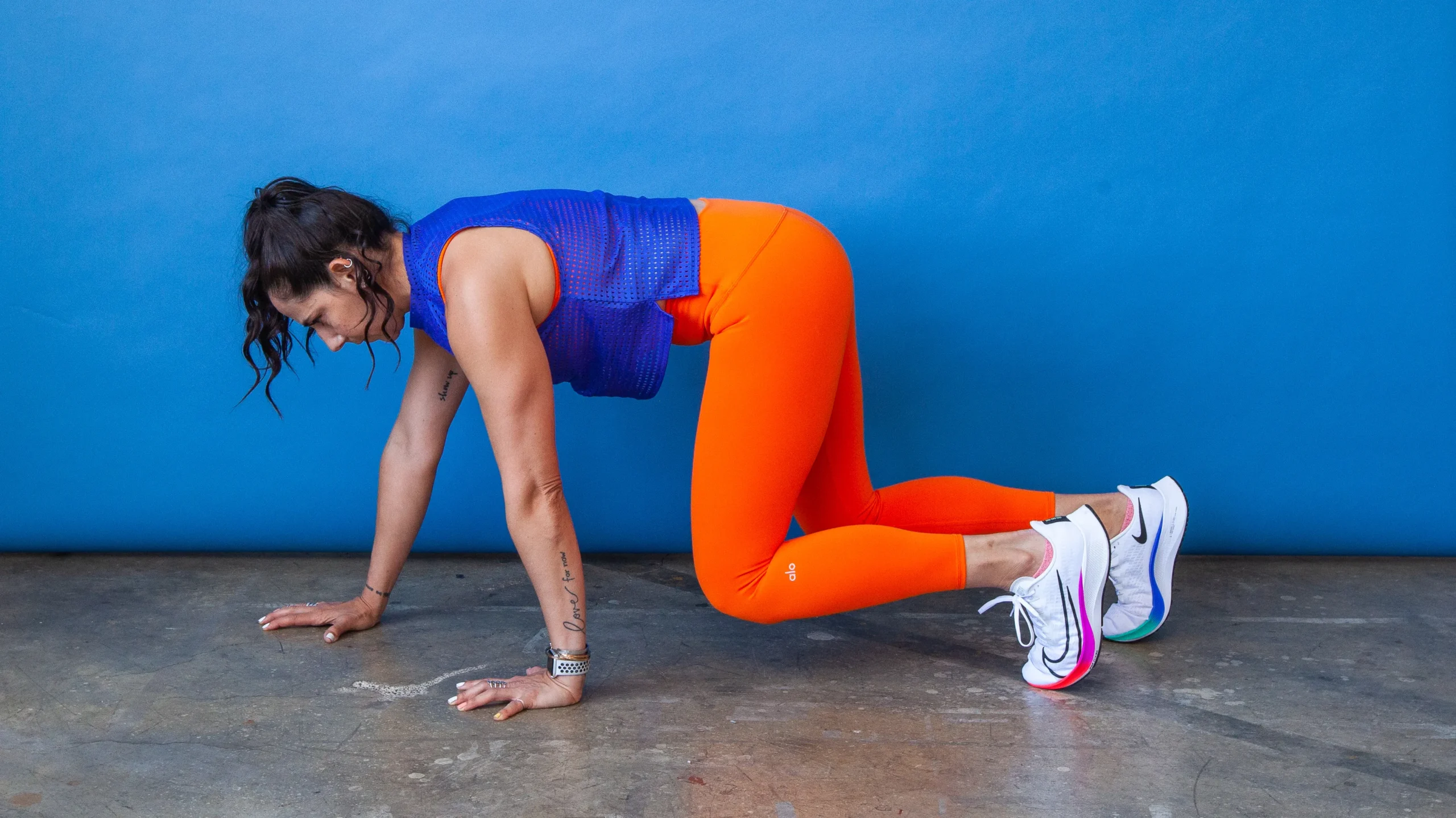
Begin your workout with a forearm plank, holding the position while keeping your body in a straight line from head to heels. Continue with bicycle crunches, alternating elbows toward opposite knees while engaging your abdominal muscles. Follow this with mountain climbers to elevate your heart rate and challenge both your core and cardiovascular endurance.
Next, perform leg raises to target the lower abdominal region before moving into dead bugs, which improve coordination and spinal stability. Finish your routine with flutter kicks and a side plank on each side to strengthen the obliques and improve overall balance. Repeat the entire circuit two to four times depending on your fitness level and available time.
Proper Technique for Better Results
Proper technique is essential for maximizing the effectiveness of every core exercise. Engage your abdominal muscles throughout each movement while maintaining steady breathing. Avoid pulling on your neck during crunch-style exercises and keep your lower back in a neutral position whenever possible to reduce unnecessary stress.
Controlled repetitions produce better results than fast, uncontrolled movements. Concentrate on muscle engagement instead of speed, allowing your core to remain active from the beginning to the end of every exercise. Maintaining good posture during training also carries over into daily activities, supporting long-term spinal health.
Common Mistakes to Avoid
One of the most common mistakes is relying on momentum instead of muscle control. Swinging the legs or rushing through exercises reduces the effectiveness of the workout and places unnecessary stress on the lower back. Slowing down each repetition allows the abdominal muscles to perform the work they are intended to do.
Another frequent misconception is believing that endless abdominal exercises alone will produce visible abs. While strengthening the core is important, reducing body fat through balanced nutrition and regular full-body exercise is equally necessary for abdominal definition. A combination of healthy eating and consistent training delivers the best long-term results.
Nutrition and Recovery for Core Development
Proper nutrition supports muscle recovery and overall fitness progress. Consuming lean proteins, whole grains, fruits, vegetables, and healthy fats provides the nutrients your body needs to repair muscle tissue after workouts. Staying hydrated also supports muscle function and helps maintain energy levels throughout the day.
Recovery is equally important because muscles become stronger during periods of rest. Aim for seven to nine hours of quality sleep each night and avoid training your abdominal muscles intensely every day. Allowing sufficient recovery time helps prevent overuse while supporting consistent progress.
Staying Consistent With Your Core Routine
Building a stronger core requires patience and consistency rather than quick fixes. Scheduling two to four dedicated core workouts each week allows gradual improvement while giving your muscles enough time to recover. Tracking your workouts can help you monitor progress and stay motivated as your strength increases.
Setting realistic goals also encourages long-term success. Whether your objective is improving posture, increasing plank duration, or developing stronger abdominal muscles, celebrating small milestones keeps you motivated and focused on continuous improvement.
Conclusion
An Ab workout no equipment: The Complete Bodyweight Core Routine provides an effective way to strengthen your abdominal muscles, improve posture, and enhance overall fitness without relying on gym equipment. Bodyweight exercises activate the entire core while promoting better balance, stability, and functional movement that benefits both athletic performance and everyday activities.
Consistency, proper technique, balanced nutrition, and adequate recovery are the foundations of successful core training. By following a structured bodyweight routine several times each week, you can build a stronger core, improve physical performance, and support long-term health from the comfort of your own home.
FAQs
Is a no-equipment ab workout effective?
Yes. Bodyweight core exercises can effectively strengthen your abdominal muscles and improve stability when performed consistently with proper technique.
How often should I train my abs?
Most people benefit from training their core two to four times per week while allowing adequate recovery between sessions.
Can beginners perform this bodyweight core routine?
Absolutely. Beginners can modify exercises, reduce repetitions, and gradually increase intensity as their strength improves.
How long should an ab workout last?
An effective bodyweight core workout typically lasts between 15 and 30 minutes, depending on your fitness level and exercise selection.
Will ab workouts alone give me visible abs?
Strong abdominal muscles are built through exercise, but visible abs also depend on reducing overall body fat through healthy nutrition and regular physical activity.
Should I feel lower back pain during ab exercises?
No. Mild muscle fatigue is normal, but sharp or persistent lower back pain may indicate poor technique or an unsuitable exercise variation.
Do I need to perform hundreds of crunches?
No. A balanced routine that includes planks, leg raises, mountain climbers, bicycle crunches, and stability exercises is generally more effective than excessive crunches alone.
What should I eat after a core workout?
A balanced meal containing lean protein, healthy carbohydrates, and nutrient-rich vegetables supports muscle recovery and replenishes energy after training.
