
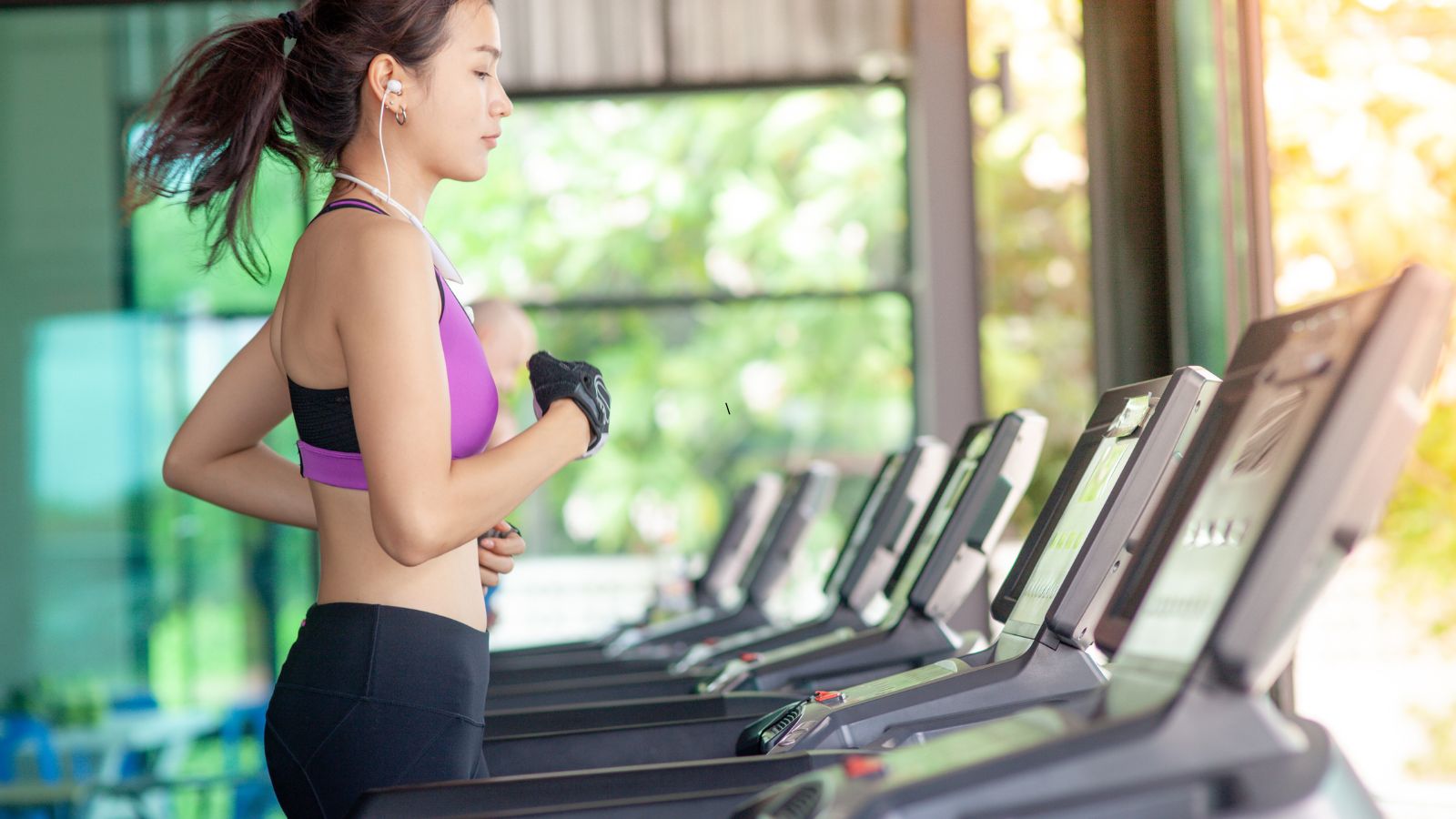
A Low Impact Cardio Workout: Full-Body Cardio Workout is one of the safest and most effective ways to improve cardiovascular health, burn calories, and increase endurance without placing excessive stress on your joints. Unlike high-impact exercises that involve repeated jumping and hard landings, low-impact workouts keep at least one foot on the ground most of the time. This makes them ideal for beginners, older adults, people recovering from injuries, or anyone looking for a joint-friendly way to stay active.
Low-impact cardio is not low intensity. When performed consistently and with proper technique, these workouts can significantly improve heart health, strengthen muscles, enhance flexibility, and support healthy weight management. Whether you exercise at home or in a fitness studio, a full-body cardio routine offers an effective solution for building long-term fitness while reducing the risk of injury.
What Is a Low Impact Cardio Workout?
A low-impact cardio workout is a form of aerobic exercise that raises your heart rate while minimizing stress on your knees, hips, ankles, and lower back. Instead of explosive jumping movements, these routines use controlled exercises such as marching in place, step touches, bodyweight squats, walking lunges, arm reaches, and modified mountain climbers.
These movements improve circulation and endurance while allowing people of different fitness levels to participate comfortably. Because the exercises are easier on the joints, they can be performed more frequently, making them an excellent option for maintaining an active lifestyle throughout the year.
Benefits of a Full-Body Cardio Workout
One of the biggest advantages of a full-body cardio workout is that it engages multiple muscle groups during every session. Your legs, arms, shoulders, back, and core all contribute to movement, creating an efficient workout that burns calories while improving muscular endurance and coordination.
Regular participation also supports heart health by strengthening the cardiovascular system and improving blood circulation. Over time, consistent low-impact training can help reduce fatigue, improve energy levels, enhance balance, and increase flexibility. These benefits contribute to better overall health and make everyday activities easier to perform.
Why Low Impact Cardio Is Great for Weight Loss
Weight loss depends on creating a calorie deficit through a combination of physical activity and healthy eating habits. A low-impact cardio workout increases daily calorie expenditure without placing excessive strain on the body, making it easier to remain consistent over the long term.
Unlike extremely intense workouts that may require longer recovery periods, low-impact exercise allows many people to train more frequently. This consistency supports gradual fat loss while helping preserve lean muscle mass when combined with a balanced diet and adequate protein intake.
Best Exercises for a Low Impact Cardio Workout
A complete routine can include exercises such as marching in place, side steps, bodyweight squats, alternating reverse lunges, standing knee lifts, modified mountain climbers, step-back burpees without jumping, and controlled plank variations. These movements elevate the heart rate while strengthening the upper body, lower body, and core.
Combining these exercises into a circuit keeps your workout engaging and effective. Perform each movement for thirty to sixty seconds with a short recovery period before moving to the next exercise. Completing three or four rounds creates a balanced session that improves endurance while supporting healthy calorie burning.
How to Structure Your Full-Body Cardio Routine
Every workout should begin with a five-minute warm-up consisting of light marching, shoulder rolls, hip circles, and dynamic stretching. This prepares your muscles and joints for exercise while improving mobility and reducing the likelihood of injury.
After warming up, complete your cardio circuit at a steady pace while maintaining proper breathing and controlled movement. Finish each session with gentle stretching to improve flexibility and encourage recovery. A complete workout typically lasts between twenty and forty-five minutes depending on your fitness level and available time.
Tips for Better Results
Consistency is more important than workout intensity alone. Establishing a regular exercise schedule helps build healthy habits while allowing gradual improvements in endurance and overall fitness. Aim to complete at least three to five cardio sessions each week for the best long-term results.
Tracking your workouts can also improve motivation. Recording workout duration, exercises completed, and personal achievements allows you to measure progress over time. As your fitness improves, increase workout duration or add more challenging exercise variations to continue making progress.
Nutrition and Recovery
Healthy nutrition supports the benefits of regular cardio exercise. Choose meals that include lean proteins, whole grains, fresh fruits, vegetables, and healthy fats to provide sustained energy and support muscle recovery. Limiting sugary drinks and highly processed foods helps maintain a healthy calorie balance for weight management.
Recovery is equally important. Drink plenty of water before and after exercise, aim for seven to nine hours of quality sleep each night, and include at least one recovery day every week. Gentle stretching or walking on rest days can improve circulation while reducing muscle tightness.
Common Mistakes to Avoid
Many people underestimate low-impact workouts and fail to maintain enough intensity to elevate their heart rate. While these exercises are gentle on the joints, they should still be performed with purpose and consistent movement to maximize cardiovascular benefits.
Another common mistake is skipping warm-ups and cool-downs. Preparing your body before exercise and allowing it to recover afterward reduces injury risk and improves overall workout quality. Poor posture and rushed movements can also reduce effectiveness, so focus on proper technique throughout every exercise.
Conclusion
A Low Impact Cardio Workout: Full-Body Cardio Workout is an excellent choice for anyone seeking a safe, effective, and sustainable way to improve fitness. By combining full-body movements with steady cardiovascular activity, you can burn calories, strengthen muscles, protect your joints, and enhance overall health without high-impact stress.
Success comes from consistency, balanced nutrition, proper recovery, and gradual progression. Whether your goal is weight loss, better endurance, or improved heart health, a low-impact cardio routine can help you achieve lasting results while keeping exercise enjoyable and accessible for every fitness level.
FAQs
What is a low impact cardio workout?
A low-impact cardio workout raises your heart rate through controlled movements that reduce stress on the joints while improving cardiovascular fitness.
Is low-impact cardio effective for weight loss?
Yes. When combined with a healthy diet and regular exercise, low-impact cardio helps burn calories and supports long-term fat loss.
Can beginners perform low-impact cardio?
Absolutely. Low-impact exercises are ideal for beginners because they are easy to learn and place less stress on the body.
How often should I do low-impact cardio?
Most people benefit from performing low-impact cardio three to five times per week depending on their goals and recovery ability.
How long should each workout last?
A typical session lasts between 20 and 45 minutes, although beginners may start with shorter workouts and gradually increase the duration.
Do I need equipment for a full-body cardio workout?
No. Most low-impact cardio routines rely entirely on bodyweight exercises and require no special equipment.
Can low-impact cardio improve heart health?
Yes. Regular cardio exercise strengthens the heart, improves circulation, and enhances overall cardiovascular endurance.
How soon will I notice results?
With consistent workouts, balanced nutrition, and adequate recovery, many people notice improved energy and endurance within a few weeks, while visible fitness and weight loss results typically appear after one to two months.
