
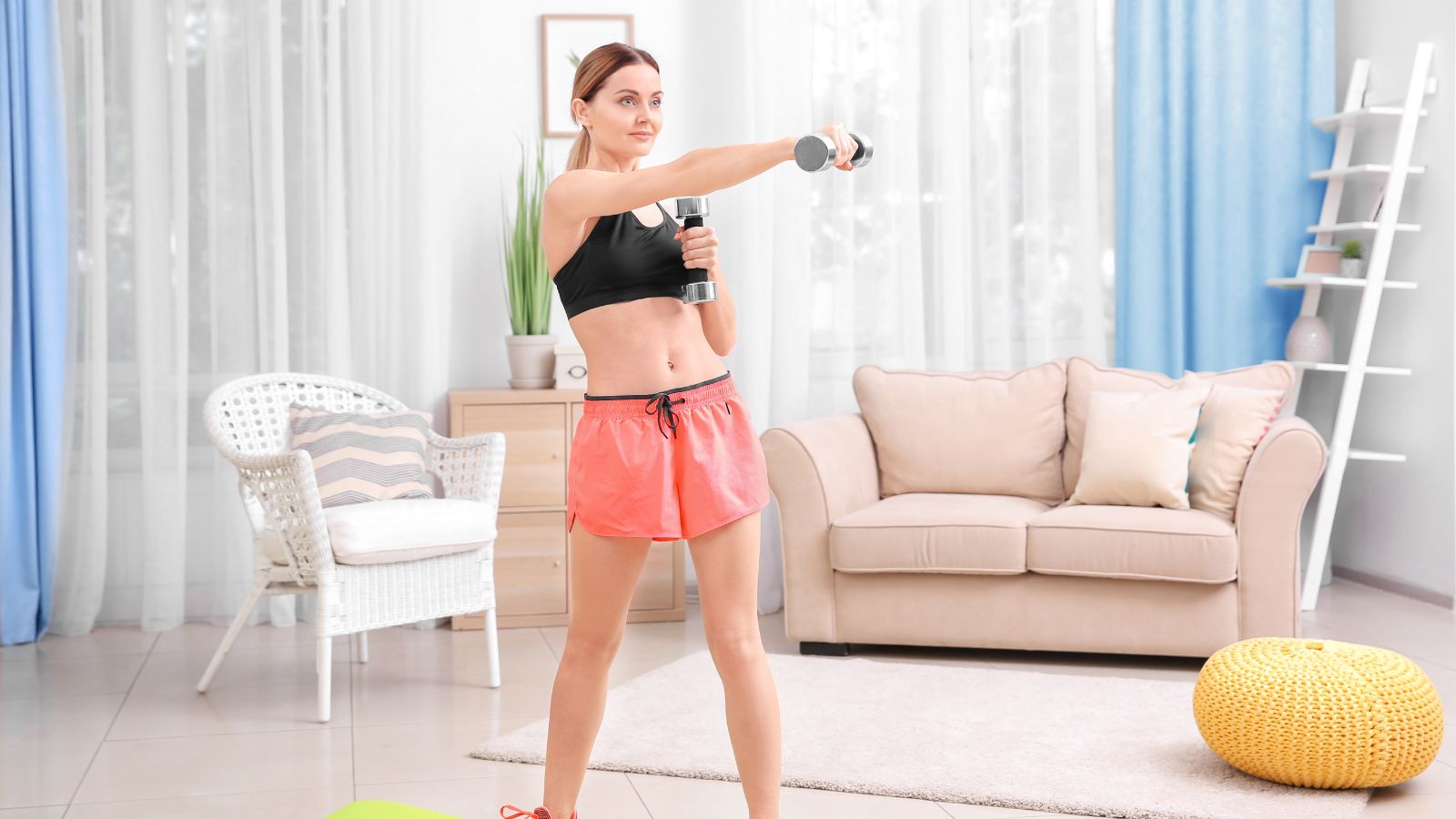
Beginner home workout: Simple At-Home Exercises is the perfect starting point for anyone looking to improve their fitness without joining a gym. Starting an exercise routine can feel overwhelming, especially if you have little or no experience. Fortunately, home workouts make it easier to develop healthy habits because they require minimal space, little to no equipment, and can be completed at your own pace.
One of the biggest advantages of exercising at home is convenience. You can work out whenever it fits your schedule while avoiding expensive gym memberships and travel time. With consistency and proper technique, simple bodyweight exercises can improve strength, endurance, flexibility, and overall health. This guide explains everything beginners need to know to begin their fitness journey confidently.
Table of Contents
ToggleWhy Choose a Beginner Home Workout
Home workouts remove many of the barriers that prevent people from exercising regularly. You do not need advanced equipment or previous fitness experience to start building a healthier lifestyle. Simple movements such as squats, push-ups, lunges, and planks effectively strengthen the entire body while improving balance and coordination.
Another benefit is the ability to exercise in a comfortable environment. Beginners often feel more confident learning new exercises at home where they can focus on proper form without distractions. This relaxed setting encourages consistency, which is one of the most important factors for achieving long-term fitness goals.
Benefits of Simple At-Home Exercises
Simple bodyweight exercises improve cardiovascular health, strengthen muscles, and increase flexibility. Because many movements engage multiple muscle groups simultaneously, they provide an efficient full-body workout while helping improve posture and daily movement patterns. Regular exercise also supports healthy weight management and increases overall energy levels.
Physical activity offers significant mental health benefits as well. Exercise helps reduce stress, improve mood, and boost self-confidence by releasing endorphins that naturally enhance emotional well-being. As beginners notice improvements in strength and endurance, their motivation often continues to grow.
Preparing for Your First Workout
Before beginning any exercise session, spend five to ten minutes warming up your body. Light activities such as marching in place, arm circles, jumping jacks, or gentle jogging increase blood circulation and prepare your muscles for movement. Dynamic stretching also improves flexibility and reduces the likelihood of injury.
Choose comfortable clothing that allows free movement and wear supportive athletic shoes if needed. Keep a water bottle nearby to stay hydrated throughout the workout. Preparing your space and equipment before exercising helps you stay focused and complete your session without unnecessary interruptions.
Essential Beginner At-Home Exercises
Bodyweight squats strengthen the legs, glutes, and core while improving lower-body mobility. Push-ups develop the chest, shoulders, triceps, and core, and beginners can perform them on their knees until enough upper-body strength develops. Lunges improve balance, coordination, and leg strength, making them an excellent addition to any beginner routine.
Planks are highly effective for strengthening the core, back, and shoulders while improving posture and stability. Glute bridges target the hips and lower back, supporting better movement and reducing prolonged sitting-related discomfort. Together, these simple exercises create a balanced full-body workout suitable for all beginners.
Sample Beginner Home Workout Routine
Start your workout with ten bodyweight squats followed by eight to ten push-ups using a variation that matches your fitness level. Continue with ten lunges on each leg, hold a plank for twenty to thirty seconds, and finish with fifteen glute bridges. Rest briefly between exercises while maintaining controlled breathing.
Complete the entire circuit two or three times depending on your current fitness level. As your endurance improves, gradually increase the number of repetitions or extend the plank duration. Small improvements each week help build strength safely while preventing unnecessary strain or injury.
Common Mistakes Beginners Should Avoid
Many beginners try to do too much too soon, believing longer or more intense workouts always produce better results. In reality, gradual progression is far more effective and significantly reduces the risk of injury. Focus on learning proper technique before increasing workout intensity or duration.
Skipping warm-ups and neglecting recovery are also common mistakes. Muscles need adequate rest to repair and become stronger after exercise. Listening to your body and allowing sufficient recovery between workouts supports steady progress while preventing excessive fatigue.
Nutrition and Recovery for Better Results
Exercise works best when combined with balanced nutrition. Eating meals rich in lean protein, whole grains, fruits, vegetables, and healthy fats provides the nutrients needed for muscle recovery and sustained energy. Drinking enough water throughout the day also supports exercise performance and overall health.
Quality sleep is another essential part of recovery because muscles repair and grow while you rest. Aim for seven to nine hours of sleep each night and include recovery days within your weekly schedule. Gentle stretching or walking on rest days can improve circulation and reduce muscle soreness.
Staying Motivated on Your Fitness Journey
Building a fitness habit takes time, so focus on consistency instead of perfection. Setting realistic goals helps maintain motivation while allowing you to celebrate small achievements along the way. Even short workouts completed regularly produce meaningful improvements over time.
Tracking your workouts can also increase accountability. Recording your repetitions, workout duration, or personal milestones allows you to measure progress and stay encouraged. Remember that every workout contributes to a healthier and stronger version of yourself.
Conclusion
A Beginner’s Home Workout: Simple At-Home Exercise Routine is one of the easiest and most effective ways to start improving your health and fitness. Bodyweight exercises require little space, no expensive equipment, and can be adapted to suit every fitness level. With consistent practice, beginners can develop strength, improve endurance, and increase flexibility while building confidence in their abilities.
Long-term success comes from combining regular exercise with proper nutrition, adequate hydration, and sufficient recovery. Stay patient, focus on steady progress, and enjoy the journey toward better health. Every workout, no matter how small, brings you one step closer to achieving your fitness goals.
FAQs
Is a beginner home workout effective?
Yes. Consistent bodyweight training improves strength, endurance, flexibility, and overall fitness without requiring gym equipment.
How many days should beginners exercise?
Most beginners benefit from exercising three to four days per week while allowing rest days for recovery.
Do I need equipment for home workouts?
No. Many effective beginner exercises use only your body weight and require very little space.
How long should a beginner workout last?
A workout lasting 20 to 30 minutes is ideal for most beginners and provides enough time to train the entire body.
Can home workouts help with weight loss?
Yes. Combined with a balanced diet, regular home workouts burn calories and support healthy weight management.
Should I warm up before exercising?
Absolutely. A proper warm-up prepares your muscles and joints for movement while reducing the risk of injury.
When will I start seeing results?
Many beginners notice improvements in energy and strength within a few weeks, while visible physical changes typically appear after consistent training for several months.
Can I exercise every day?
Light physical activity can be performed daily, but intense workouts should be balanced with rest and recovery to allow muscles to repair and grow.
