
HIIT workout beginners: A Gentle Intro to High-Intensity Training is an excellent way to improve fitness, burn calories, and increase endurance without spending hours exercising. High-Intensity Interval Training, commonly known as HIIT, alternates short periods of intense activity with brief recovery intervals. This workout style is highly effective because it raises your heart rate quickly while allowing short rest periods that make the session manageable, even for beginners.
Many people assume HIIT is only for experienced athletes, but beginner-friendly versions can be adapted to almost any fitness level. By choosing low-impact exercises and progressing gradually, you can enjoy the benefits of high-intensity training while reducing the risk of injury. This guide explains everything beginners need to know to start HIIT safely and confidently.
Table of Contents
ToggleWhat Is a HIIT Workout for Beginners?
High-Intensity Interval Training involves alternating between periods of higher effort and active recovery. Instead of exercising at the same pace throughout the workout, HIIT challenges your body with short bursts of movement followed by lighter activity or rest. This approach improves cardiovascular fitness while increasing calorie expenditure in a relatively short amount of time.
For beginners, HIIT does not require maximum effort or advanced exercises. Simple bodyweight movements performed with proper technique can provide an effective workout. The goal is to gradually increase fitness while allowing your body to adapt comfortably over time.
Benefits of High-Intensity Training
One of the greatest benefits of HIIT is its efficiency. A workout lasting only twenty to thirty minutes can provide significant cardiovascular and metabolic benefits. Because your heart rate remains elevated during intervals, your body continues burning calories even after the workout has ended.
HIIT also improves endurance, strengthens muscles, and supports heart health. Regular training can increase energy levels, improve blood circulation, and enhance overall physical performance. Many people also enjoy the variety of interval training because changing exercises frequently keeps workouts interesting and motivating.
Preparing for Your First HIIT Session
Before beginning any HIIT workout, spend five to ten minutes warming up your body. Light walking, marching in place, arm circles, and gentle dynamic stretches prepare your muscles and joints for more challenging movements. A proper warm-up improves mobility and reduces the risk of injury.
Choose a comfortable workout space with enough room to move safely. Wear supportive athletic shoes and breathable clothing, and keep water nearby to stay hydrated throughout the session. Starting with realistic expectations allows beginners to build confidence while avoiding unnecessary fatigue.
Beginner-Friendly HIIT Exercises
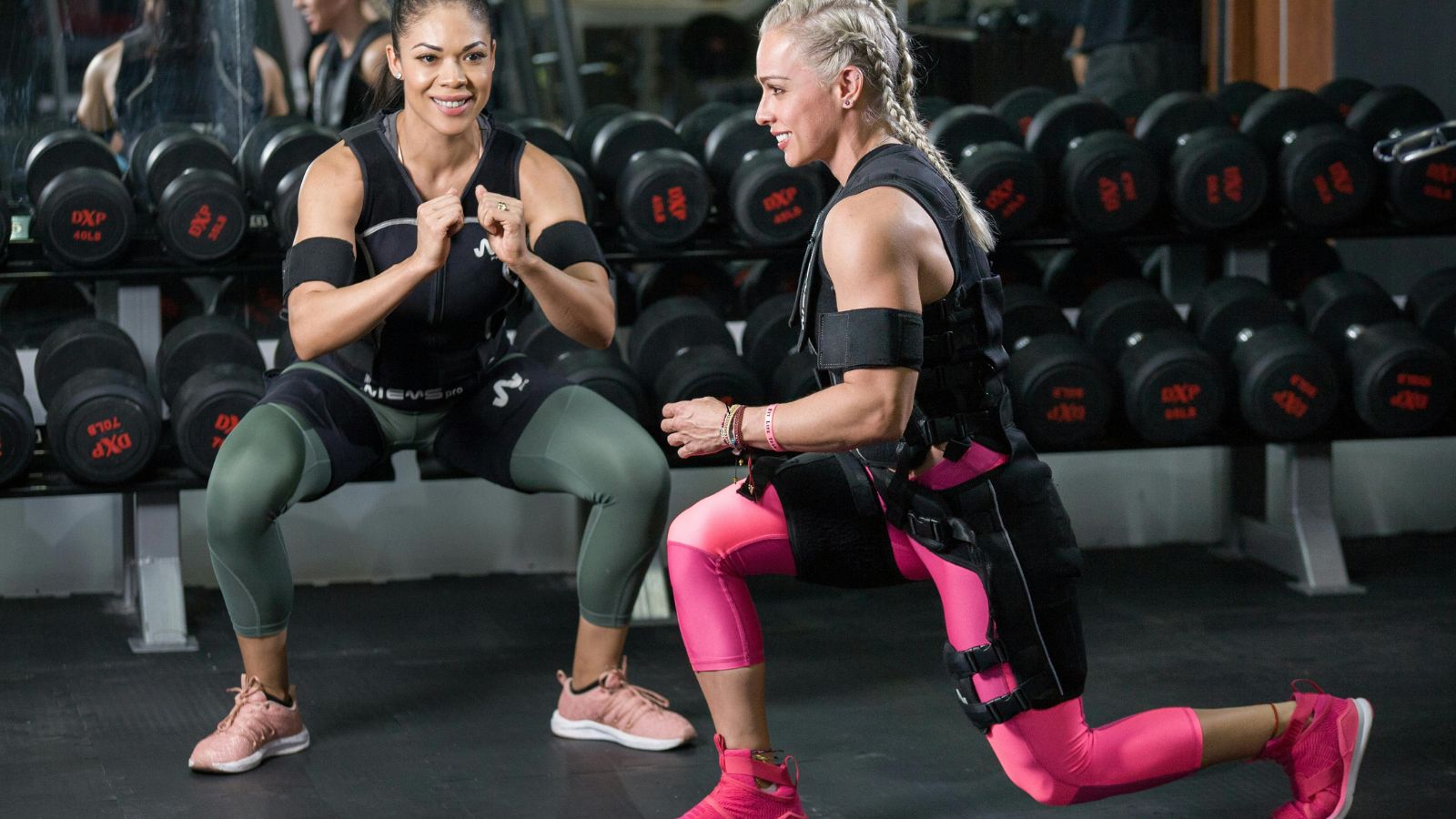
Simple bodyweight exercises work extremely well for beginner HIIT workouts. Squats strengthen the lower body, modified push-ups develop upper-body strength, and marching in place raises the heart rate without excessive impact. Mountain climbers performed slowly can improve coordination and core stability, while stepping lunges strengthen the legs and improve balance.
Instead of focusing on speed, concentrate on controlled movement and proper technique. Performing each exercise correctly activates the intended muscles while reducing unnecessary stress on the joints. Quality repetitions always provide better long-term results than rushing through a workout.
Sample HIIT Workout Routine
Begin with thirty seconds of bodyweight squats followed by thirty seconds of gentle marching in place. Continue with modified push-ups, then recover with light walking before moving to alternating lunges and standing knee raises. Repeat the sequence for approximately twenty minutes while adjusting the pace according to your fitness level.
As your endurance improves, you can gradually increase the work intervals or reduce recovery periods. Small improvements each week create steady progress while allowing your body to adapt safely to higher levels of physical activity.
Common Mistakes Beginners Should Avoid
One common mistake is starting too intensely. Many beginners attempt advanced HIIT workouts immediately, leading to excessive fatigue or poor exercise technique. Beginning with manageable intervals allows you to learn proper movement patterns while reducing injury risk.
Skipping warm-ups and ignoring recovery days are also frequent mistakes. Recovery is essential because it allows your muscles and cardiovascular system to adapt to training. Listening to your body and progressing gradually leads to better long-term success than trying to improve too quickly.
Nutrition and Recovery After HIIT
After completing your HIIT workout, consume a balanced meal containing lean protein and healthy carbohydrates. Protein supports muscle recovery, while carbohydrates replenish energy stores used during exercise. Fresh fruits, vegetables, whole grains, and adequate hydration further contribute to effective recovery.
Quality sleep is equally important because many recovery processes occur overnight. Aim for seven to nine hours of sleep each night and include one or two rest days each week to help your body rebuild and prepare for future workouts.
Staying Consistent With HIIT Training
Consistency is more valuable than perfection. Scheduling two or three beginner HIIT sessions each week provides enough stimulus for improvement while allowing sufficient recovery. As your fitness increases, you can gradually increase workout frequency or intensity without overwhelming your body.
Tracking your progress can also boost motivation. Recording workout duration, completed intervals, or improvements in endurance helps you recognise your achievements and maintain commitment to your fitness journey. Small milestones often lead to significant long-term results.
Conclusion
A HIIT workout beginners: A Gentle Intro to High-Intensity Training provides an effective and time-efficient way to improve cardiovascular fitness, burn calories, and build endurance. By using beginner-friendly bodyweight exercises and gradually increasing workout intensity, anyone can enjoy the benefits of interval training while exercising safely.
The key to success is combining consistent workouts with proper nutrition, quality sleep, and adequate recovery. Focus on steady progress rather than immediate perfection, and you will develop stronger fitness habits that support long-term health and overall well-being.
FAQs
What does HIIT stand for?
HIIT stands for High-Intensity Interval Training, a workout method that alternates short periods of intense activity with recovery intervals.
Is HIIT suitable for beginners?
Yes. Beginner-friendly HIIT routines use simple exercises and moderate intensity, making them suitable for people new to exercise.
How long should a beginner HIIT workout last?
Most beginner sessions last between 15 and 25 minutes, including a warm-up and cool-down.
How many times per week should beginners perform HIIT?
Two to three sessions each week provide effective results while allowing enough recovery between workouts.
Can HIIT help with weight loss?
Yes. HIIT burns calories, improves metabolism, and supports fat loss when combined with healthy eating habits.
Do I need equipment for HIIT?
No. Many beginner HIIT workouts use bodyweight exercises that require no equipment at all.
Should I exercise every day?
No. Recovery days are important because they allow muscles to repair and become stronger after training.
How soon will I notice improvements?
With regular training, balanced nutrition, and proper recovery, many beginners notice better endurance and energy levels within three to six weeks, while physical changes become more noticeable after consistent long-term effort.
