
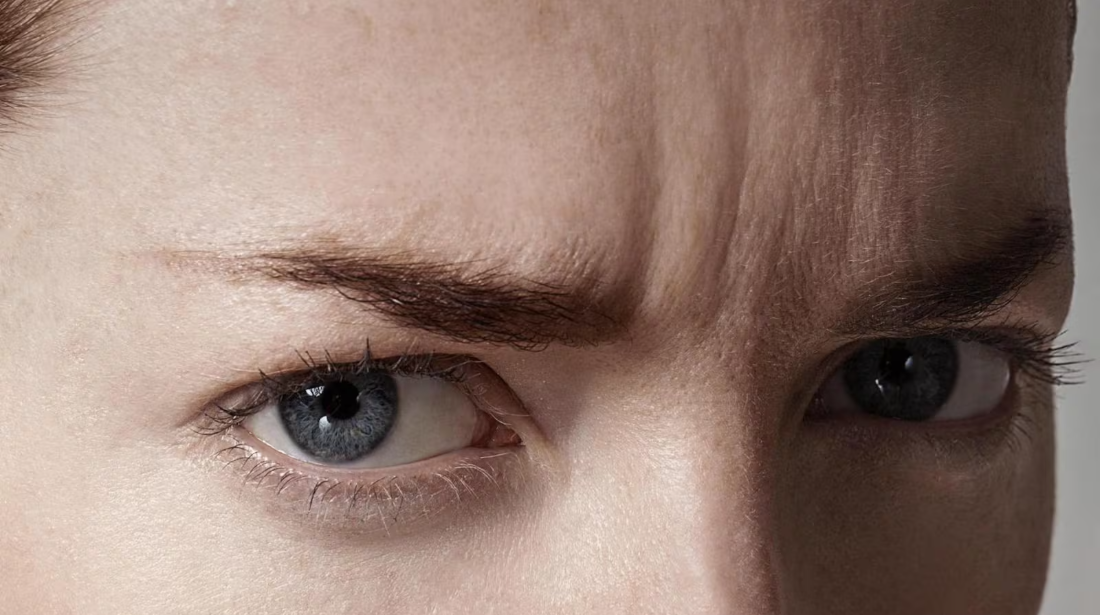
Facial expressions are an important part of human communication. Even without speaking, people use their eyes, eyebrows, and forehead muscles to express emotions such as confusion, frustration, concentration, and concern. One common facial expression is a furrowing brow. It happens when a person pulls their eyebrows closer together, creating visible lines or wrinkles between the eyebrows.
Furrowing brow is something most people do naturally throughout the day. It may happen when concentrating on a difficult task, looking at something in bright sunlight, feeling stressed, or reacting emotionally to a situation. Although it is usually harmless, frequent brow furrowing can contribute to the development of visible forehead lines over time.
Understanding what furrowing brow means, why it happens, and how it affects facial appearance can help people become more aware of their expressions. This guide explores its causes, emotional meanings, physical effects, and simple ways to reduce unnecessary brow tension.
What Is Furrowing Brow?
Furrowing brow refers to the movement of the eyebrows toward each other, usually accompanied by a slight downward movement. This action creates vertical lines between the eyebrows, sometimes called frown lines or glabellar lines.
The movement is controlled by small facial muscles, particularly the corrugator supercilii and procerus muscles. These muscles contract when someone frowns, concentrates, or expresses certain emotions.
Brow furrowing is a normal part of facial communication. It helps people show feelings and react to their surroundings. However, some individuals develop a habit of keeping their eyebrows slightly contracted even when they are not experiencing strong emotions.
This repeated muscle movement can gradually make expression lines more noticeable.
Common Causes of Furrowing Brow
There are several reasons why people furrow their brows. Some causes are related to emotions, while others involve environmental conditions, vision, or everyday habits.
1. Stress and Anxiety
Stress is one of the common reasons people experience frequent brow furrowing. When someone feels worried, nervous, or overwhelmed, facial muscles may become tense without conscious awareness.
People dealing with work pressure, personal responsibilities, or difficult situations may repeatedly tighten their forehead muscles. Over time, this can become an automatic facial habit.
Relaxation techniques, regular breaks, and healthy stress-management habits may help reduce unnecessary facial tension.
2. Concentration and Mental Focus
Many people furrow their brows when concentrating. This expression commonly appears while reading, writing, solving problems, studying, or working on a computer.
The person may not feel upset or frustrated. Instead, the facial movement is simply associated with focusing attention.
For example, someone reading a complicated document may unconsciously pull their eyebrows together while trying to understand the information.
3. Bright Sunlight
Bright sunlight can cause people to squint or narrow their eyes. This movement often involves the muscles around the eyebrows and forehead.
Repeated exposure to strong sunlight without proper eye protection may encourage frequent facial tightening.
Wearing sunglasses and avoiding direct exposure to intense sunlight can help reduce unnecessary squinting.
4. Vision Problems
People sometimes furrow their brows because they have difficulty seeing clearly. Nearsightedness, farsightedness, or other vision-related problems may cause someone to squint while reading signs, using a computer, or looking at distant objects.
If brow furrowing happens frequently while trying to focus visually, an eye examination may help identify an underlying vision issue.
5. Emotional Reactions
Different emotions can influence facial expressions. People may furrow their brows when they feel:
- Confused about something.
- Frustrated by a situation.
- Angry or disappointed.
- Concerned about a problem.
- Deeply focused on a conversation.
These expressions are natural and help communicate emotions to other people.
6. Habitual Facial Movements
Some individuals develop a habit of furrowing their brows without realizing it. This may happen during everyday activities, including working, driving, reading, or using digital devices.
Repeated facial movements can become automatic. Becoming more aware of these habits is an important first step toward relaxing the forehead.
What Does Furrowing Brow Mean Emotionally?
A furrowed brow can communicate different emotions depending on the situation. Although it is commonly associated with negative feelings, it does not always mean someone is angry or unhappy.
Confusion
People often bring their eyebrows together when trying to understand something unfamiliar. This expression may indicate that they need additional information or clarification.
Anger and Frustration
A deeply furrowed brow can sometimes communicate irritation, disagreement, or frustration. Combined with other facial expressions, it may indicate that someone is upset.
Concern and Worry
People may furrow their brows when thinking about an uncertain situation or worrying about something important.
Concentration
A furrowed brow can also indicate serious attention. Someone working through a complicated problem may display this expression without experiencing any negative emotion.
It is important to remember that facial expressions alone cannot reliably reveal exactly what another person is thinking or feeling.
Physical Effects of Frequent Brow Furrowing
Occasional brow furrowing is completely normal. However, repeatedly contracting facial muscles may have some noticeable effects on facial appearance and comfort.
Development of Frown Lines
One of the most recognizable effects is the development of vertical lines between the eyebrows. These lines are commonly called glabellar lines.
When facial muscles repeatedly contract, temporary expression lines may gradually become more visible. As skin naturally loses elasticity with age, these lines can remain noticeable even when the face is relaxed.
Forehead Muscle Tension
Frequent facial tightening may contribute to a feeling of tension around the forehead and eyebrows.
People who spend long hours concentrating or looking at screens may benefit from taking regular breaks and consciously relaxing their facial muscles.
Changes in Facial Appearance
A constantly furrowed brow can sometimes make a person appear serious, tired, worried, or frustrated, even when they feel perfectly comfortable.
Relaxing the forehead may create a softer and more natural facial expression.
How to Stop Furrowing Your Brow Naturally
If you frequently furrow your brows without realizing it, several simple habits may help you become more relaxed.
1. Practice Facial Awareness
Start by noticing when your eyebrows move closer together. Pay attention to your expressions while reading, working, watching television, or using your phone.
Whenever you notice unnecessary tension, gently relax your forehead and allow your eyebrows to return to their natural position.
2. Try Gentle Facial Relaxation
Relaxation exercises can help you become more aware of facial muscle tension.
Try the following simple technique:
- Sit comfortably in a quiet place.
- Close your eyes gently.
- Relax your forehead and eyebrows.
- Take several slow, comfortable breaths.
- Keep your jaw and facial muscles relaxed.
Repeat this exercise whenever you notice unnecessary tension.
3. Take Regular Screen Breaks
Spending extended periods looking at digital screens can contribute to eye strain and squinting.
Follow the 20-20-20 rule: Every 20 minutes, look at something approximately 20 feet away for at least 20 seconds.
Adjusting screen brightness and maintaining a comfortable viewing distance may also help.
4. Wear Sunglasses Outdoors
Sunglasses can reduce the need to squint in bright sunlight. Choose a comfortable pair with appropriate UV protection.
This simple habit can help reduce repeated facial tightening outdoors.
5. Manage Everyday Stress
Stress management may help reduce unconscious facial tension.
Consider incorporating activities such as walking, meditation, breathing exercises, stretching, or other relaxing hobbies into your routine.
6. Maintain a Healthy Skincare Routine
Healthy skincare habits support the skin’s overall appearance.
Consider using:
- A gentle facial cleanser.
- A moisturizer suitable for your skin type.
- Broad-spectrum SPF 30 or higher sunscreen.
- Products containing ingredients such as hyaluronic acid or retinoids, when appropriate.
Retinoids may improve the appearance of certain fine lines, but they can cause irritation. Introduce them carefully and seek professional advice if you are unsure whether they are suitable for your skin.
Furrowing Brow vs. Frown Lines: What Is the Difference?
People sometimes use the terms furrowing brow and frown lines interchangeably, but they describe different things.
Furrowing brow refers to the actual movement of facial muscles when the eyebrows move closer together.
Frown lines refer to the wrinkles that develop between the eyebrows or across the forehead as a result of repeated expressions and natural skin aging.
In simple terms, brow furrowing is a facial movement, while frown lines are visible skin creases that may develop over time.
When Should You Be Concerned About Brow Furrowing?
In most cases, furrowing brow is a normal facial expression and does not require medical treatment.
However, if you notice sudden or unusual changes in facial movement, persistent discomfort, severe headaches, vision changes, or weakness on one side of your face, seek medical evaluation.
Sudden facial weakness, particularly when accompanied by difficulty speaking or arm weakness, requires emergency medical attention.
If frequent squinting or brow tension is affecting your daily activities, consider consulting an eye-care professional to check for possible vision problems.
Frequently Asked Questions (FAQs)
1. What does furrowing brow mean?
Furrowing brow means pulling the eyebrows closer together, usually creating vertical lines between them. It is commonly associated with concentration, confusion, stress, or frustration.
2. Why do I constantly furrow my brows?
Frequent brow furrowing may be related to stress, concentration, vision difficulties, bright sunlight, or habitual facial movements. Identifying when it happens can help you understand the cause.
3. Does furrowing your brow cause wrinkles?
Repeated brow movements can contribute to the development of expression lines. Over time, natural skin aging and reduced elasticity may make these lines more noticeable.
4. How can I relax my furrowed brow?
You can try gentle facial relaxation, stress-management techniques, regular screen breaks, and increased awareness of your facial expressions.
5. Is furrowing brow a sign of anger?
Not necessarily. Although it can communicate anger or frustration, it may also indicate concentration, confusion, concern, or an ordinary reaction to bright light.
6. Can stress cause a furrowed brow?
Yes. Stress and anxiety can contribute to unconscious facial muscle tension, including repeated contraction of the muscles between the eyebrows.
7. Can brow furrowing become a habit?
Yes. Repeated facial movements may become automatic. Becoming aware of the movement and consciously relaxing your forehead may help change the habit.
Conclusion
Furrowing brow is a natural facial movement that occurs when the eyebrows move closer together. It can communicate different emotions, including confusion, concentration, frustration, and concern. Environmental conditions, vision difficulties, stress, and everyday habits may also contribute to frequent brow furrowing.
Although occasional brow furrowing is harmless, repeated muscle contractions may contribute to visible expression lines over time. Developing facial awareness, managing stress, taking screen breaks, wearing sunglasses, and maintaining a healthy skincare routine can help support a more relaxed appearance.
