
A High-Protein Weight Loss Meal Plan for Busy Weekdays can make healthy eating much easier when your schedule is packed with work, family responsibilities, travel, or daily errands. Preparing nutritious meals does not have to require complicated recipes or hours in the kitchen. With simple ingredients, balanced portions, and a little planning, you can enjoy satisfying meals that support your weight-loss goals.
Protein is especially useful when trying to lose weight because it helps maintain muscle while keeping meals satisfying. Combining protein with vegetables, whole grains, fruits, and healthy fats creates balanced meals that provide steady energy throughout the day. The key is building a realistic eating routine that you can maintain consistently rather than following an overly restrictive diet.
Why Protein Matters During Weight Loss
Protein plays an important role in maintaining lean muscle tissue while you reduce your overall calorie intake. Foods such as eggs, chicken, fish, Greek yogurt, cottage cheese, beans, lentils, tofu, and lean meat can make meals more filling and help you stay satisfied between meals.
A protein-rich diet can also make busy weekdays easier because many protein foods are simple to prepare in advance. Cooking several servings of chicken, eggs, lentils, or other protein sources at once allows you to assemble nutritious meals quickly when you have limited time.
Planning Your Weekday Meals
Meal planning removes much of the guesswork from healthy eating. Before the week begins, decide which breakfasts, lunches, dinners, and snacks you are likely to eat. Choose recipes that share ingredients so you can save money, reduce food waste, and spend less time preparing meals.
Batch cooking can make a major difference when your weekdays are hectic. Prepare several portions of protein, vegetables, and whole grains during one cooking session and store them safely in the refrigerator. You can then combine these ingredients in different ways throughout the week without eating exactly the same meal every day.
High-Protein Breakfast Ideas
A nutritious breakfast can provide protein and energy to start your day. Scrambled eggs with whole-grain toast and vegetables make a simple option, while Greek yogurt with berries, oats, and seeds can be prepared in just a few minutes. These combinations provide protein along with carbohydrates and important micronutrients.
For especially busy mornings, prepare breakfast the night before. Overnight oats made with Greek yogurt and milk can be stored in the refrigerator, while boiled eggs can be prepared ahead of time. A smoothie containing Greek yogurt, fruit, milk, and oats is another convenient choice when you need something portable.
Easy High-Protein Lunches
Lunch should be satisfying enough to keep you focused throughout the afternoon without leaving you feeling overly full. A grilled chicken bowl with brown rice, mixed vegetables, and a light dressing provides protein, complex carbohydrates, and fibre. A tuna and bean salad is another convenient choice that can be prepared quickly.
Meal-prepared lunches are particularly useful for office workers and students. Store individual portions in airtight containers so you can grab one before leaving home. Rotating between chicken, tuna, eggs, beans, lentils, and tofu can keep your meals interesting while providing different nutrients.
Quick Dinner Options
Dinner does not need to be complicated after a long day. Grilled fish with roasted vegetables and potatoes provides a balanced combination of protein, carbohydrates, and fibre. Another easy option is lean chicken or turkey cooked with vegetables and served alongside quinoa or brown rice.
One-pot meals can save both time and cleanup. A lentil and vegetable stew, chicken and vegetable skillet, or bean-based chilli can provide several servings from one preparation. Divide leftovers into containers and use them for lunches later in the week.
Smart High-Protein Snacks
Snacks can help prevent excessive hunger between meals, especially when there are several hours between breakfast and lunch or lunch and dinner. Greek yogurt, cottage cheese, boiled eggs, roasted chickpeas, or a small handful of nuts can provide useful protein and nutrients.
Fresh fruit can be paired with a protein source for a more balanced snack. An apple with Greek yogurt, berries with cottage cheese, or a banana with a small serving of peanut butter can be convenient choices. Portion awareness remains important because calorie-dense foods can add up quickly.
Grocery Shopping for a Busy Week
A well-planned grocery list makes healthy eating easier. Focus on versatile protein sources, fresh or frozen vegetables, fruits, whole grains, and convenient ingredients that can be combined into several meals. Frozen vegetables can be particularly useful because they require little preparation and have a long storage life.
Avoid filling your kitchen with large quantities of foods you rarely eat. Instead, purchase ingredients you know you can prepare quickly. Having nutritious choices available at home reduces the temptation to rely on fast food or highly processed convenience meals when your schedule becomes demanding.
Portion Balance and Weight Loss
Eating more protein does not automatically guarantee weight loss. Your overall energy intake still matters, so meals should contain appropriate portions of protein, carbohydrates, fats, and vegetables. Building meals around nutrient-dense foods can make it easier to maintain a moderate calorie deficit without feeling excessively restricted.
Individual calorie and protein needs vary according to factors such as body size, activity level, age, and personal goals. Rather than following a rigid meal plan, use the suggested foods as a framework and adjust portions according to your needs. For specific dietary requirements, a registered dietitian can provide personalised guidance.
Hydration and Recovery
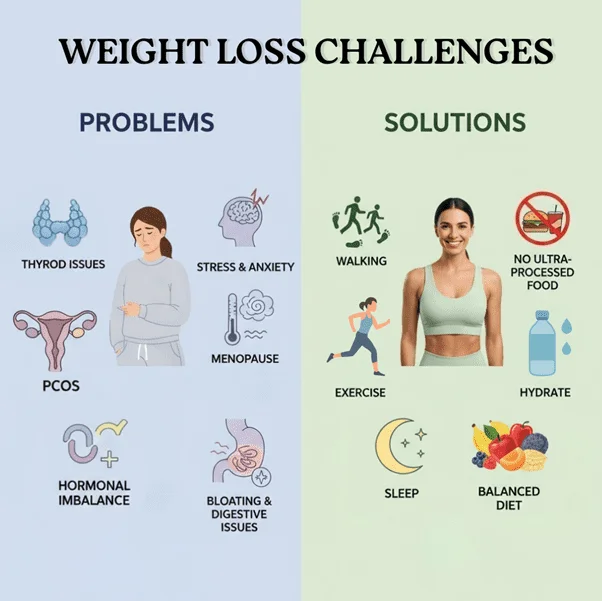
Water should remain the primary beverage throughout the day. Staying hydrated supports normal body functions and can be especially important when you are exercising regularly. Carrying a reusable water bottle can make it easier to remember to drink consistently during busy workdays.
Sleep and physical activity also influence weight-management progress. Regular exercise helps maintain muscle and supports overall health, while adequate sleep can make healthy eating and appetite management easier. A successful meal plan works best when it is part of a broader healthy lifestyle.
Conclusion
A High-Protein Weight Loss Meal Plan for Busy Weekdays can provide a practical structure for eating nutritious, satisfying meals despite a demanding schedule. Simple protein sources, vegetables, whole grains, fruits, and healthy fats can be combined into quick breakfasts, portable lunches, easy dinners, and convenient snacks.
The most effective plan is one you can follow consistently. Preparing food in advance, keeping nutritious ingredients available, and choosing simple recipes can reduce decision-making during hectic days. Combined with regular activity, adequate sleep, hydration, and sensible portions, a balanced high-protein approach can support sustainable weight-management progress.
FAQs
Is a high-protein diet good for weight loss?
A higher-protein eating pattern can support weight loss by helping maintain lean muscle and making meals more satisfying. Overall calorie intake and dietary quality still matter.
What are the best high-protein foods?
Eggs, chicken, fish, lean meat, Greek yogurt, cottage cheese, tofu, beans, lentils, and other legumes are convenient protein-rich choices.
Can I prepare these meals in advance?
Yes. Preparing proteins, vegetables, and grains in batches can save time and make healthy weekday meals much easier to assemble.
What is a quick high-protein breakfast?
Greek yogurt with berries and oats, eggs with whole-grain toast, or a protein-rich smoothie can be prepared quickly before work or school.
What can I take for a high-protein lunch?
Chicken bowls, tuna salads, lentil dishes, bean salads, and tofu bowls are convenient options that can be prepared ahead of time.
Are high-protein snacks necessary?
Not necessarily, but protein-rich snacks can be useful when you are hungry between meals or need a convenient way to add protein to your daily diet.
Can I lose weight without counting calories?
Yes. Some people successfully manage portions by focusing on nutrient-dense foods and mindful eating. However, calorie awareness can be useful when progress is difficult to measure.
How long should I follow a weight-loss meal plan?
A balanced eating pattern can be maintained long term as long as it provides adequate nutrition and fits your individual needs. Avoid overly restrictive plans that are difficult to sustain.
