
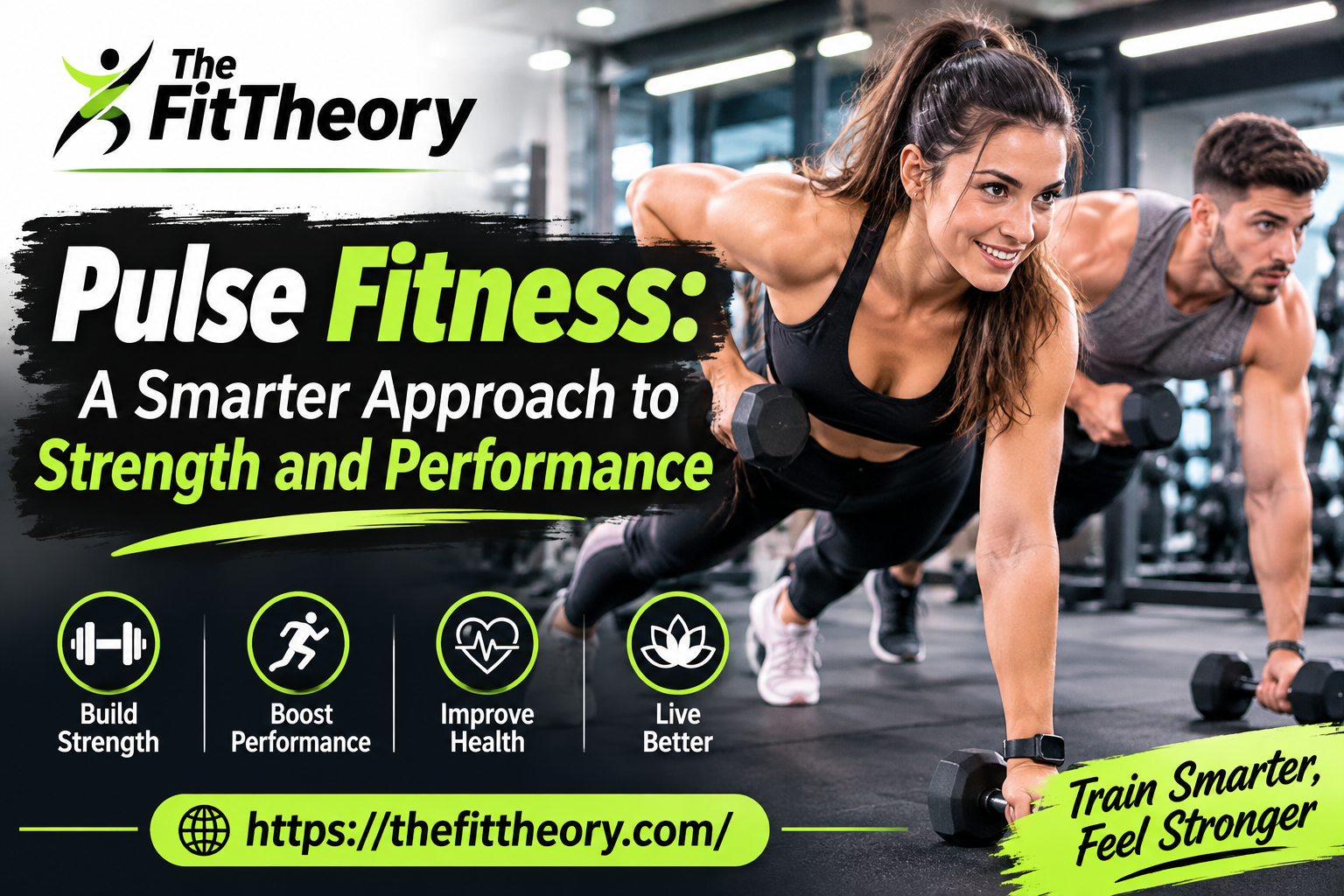
Fitness is about more than lifting heavy weights or spending hours on a treadmill. Building a stronger, healthier body requires a balanced approach that combines resistance training, cardiovascular exercise, recovery, and consistent effort. This is where the concept of Pulse Fitness becomes useful. By paying attention to physical performance, heart rate, and individual fitness goals, people can make better decisions about how they train.
Pulse Fitness can be understood as a balanced approach to exercise that considers both muscular strength and cardiovascular performance. Instead of focusing on only one part of physical fitness, it encourages individuals to develop strength, improve endurance, monitor exercise intensity, and allow their bodies enough time to recover.
Whether someone is new to exercise, returning to the gym, or working toward better athletic performance, a structured fitness routine can make training more effective. The goal is not necessarily to exercise harder every day. It is to train with purpose, understand personal limits, and gradually improve.
What Is Pulse Fitness?
Pulse Fitness is a useful way to describe a training approach that combines heart-rate awareness, strength development, cardiovascular conditioning, and recovery.
The word “pulse” refers to the heartbeat, which provides information about how the body responds to physical activity. During exercise, the heart works harder to supply oxygen and nutrients to active muscles. Monitoring heart rate can help individuals understand workout intensity and recognize changes in their exercise performance.
However, Pulse Fitness should not be confused with a single scientifically established training program or a specific gym brand. In this article, it refers to a broader fitness philosophy built around balanced training and informed exercise decisions.
Understanding the Connection Between Pulse and Performance
Your heart rate changes depending on several factors, including exercise intensity, age, fitness level, stress, and recovery.
For example, walking at a comfortable pace generally requires less cardiovascular effort than running uphill. Similarly, a challenging strength-training session may increase your heart rate during demanding sets.
Understanding these responses can help you:
- Choose appropriate exercise intensity.
- Monitor cardiovascular effort.
- Recognize when additional recovery may be needed.
- Build a more balanced workout schedule.
- Measure changes in fitness over time.
The purpose is to use exercise information as a guide rather than treating every workout as a competition.
Why Strength and Performance Matter
Strength and cardiovascular fitness are two important parts of overall physical conditioning. Although they involve different training methods, both contribute to everyday movement and physical performance.
Strength training develops the ability of muscles to produce force. Cardiovascular exercise challenges the heart and lungs while improving the body’s ability to sustain physical activity.
Combining these activities creates a more complete fitness routine.
Benefits of Strength Training
Resistance training can help develop stronger muscles and improve physical function. It also supports everyday activities such as carrying groceries, climbing stairs, lifting objects, and maintaining balance.
Common strength-training exercises include:
- Squats
- Push-ups
- Lunges
- Deadlines
- Dumbbell rows
- Shoulder presses
- Planks
The right exercise selection depends on individual experience, physical ability, and training goals.
Benefits of Cardiovascular Training
Cardiovascular exercise helps improve aerobic fitness and endurance. Activities such as walking, cycling, swimming, and running increase the body’s demand for oxygen.
According to the Centers for Disease Control and Prevention (CDC), adults should aim for at least 150 minutes of moderate-intensity aerobic activity each week, or 75 minutes of vigorous-intensity activity, along with muscle-strengthening activities on at least two days.
These recommendations provide a practical starting point for developing a balanced fitness routine.
The Main Components of Pulse Fitness
An effective Pulse Fitness approach includes several connected elements. Each component supports a different aspect of physical development.
A. Strength Training
Strength training focuses on improving muscular capacity through resistance exercises.
Beginners can start with bodyweight movements, resistance bands, or manageable weights. More experienced individuals can gradually increase resistance or adjust training volume.
The most important factors are proper technique, consistency, and an appropriate level of challenge.
B. Cardiovascular Conditioning
Cardio exercises challenge the heart and lungs while developing endurance.
Popular options include:
- Brisk walking
- Jogging
- Cycling
- Swimming
- Rowing
- Dancing
Choose activities that match your fitness level and that you can perform consistently.
C. Flexibility and Mobility
Mobility and flexibility exercises help support comfortable movement and exercise technique.
Dynamic movements can be included in a warm-up, while gentle stretching may be useful after exercise or during dedicated mobility sessions.
Examples include hip circles, shoulder rotations, leg swings, and controlled stretches.
D. Recovery and Rest
Recovery is an essential part of physical development. Training creates a challenge for the body, while rest provides time to adapt.
A balanced program should include adequate sleep, rest days, appropriate nutrition, and adjustments when fatigue becomes excessive.
E. Progress Tracking
Tracking workout performance can help identify improvements and areas that need attention.
Useful measurements include exercise repetitions, resistance used, workout duration, walking distance, and heart-rate trends.
Together, these components make Pulse Fitness a practical framework for building sustainable exercise habits.
How Heart Rate Training Improves Workout Awareness
Heart rate monitoring is one of the most recognizable elements of Pulse Fitness.
Your heart rate measures how many times your heart beats per minute. During physical activity, it generally increases as exercise intensity rises.
Understanding heart-rate zones can help you monitor cardiovascular effort.
Understanding Target Heart Rate Zones
The American Heart Association (AHA) explains that moderate-intensity exercise generally falls around 50% to 70% of estimated maximum heart rate, while vigorous activity falls around 70% to 85%.
A commonly used estimate of maximum heart rate is:
Maximum Heart Rate = 220 − Your Age
For example, a 30-year-old would have an estimated maximum heart rate of 190 beats per minute.
How to Monitor Your Heart Rate
You do not necessarily need expensive equipment to monitor your pulse.
You can check it manually by:
- Placing your index and middle fingers on the inside of your wrist.
- Finding the pulse below the base of your thumb.
- Counting the beats for 30 seconds.
- Multiplying the result by two to estimate beats per minute.
Smartwatches and fitness trackers can also provide convenient heart-rate readings.
Remember that heart-rate measurements are not perfect indicators of workout quality. Medications, stress, temperature, hydration, and other factors can influence readings.
Building a Balanced Pulse Fitness Workout Routine
A practical workout routine should combine resistance training, cardiovascular activity, and recovery.
You do not need to train every muscle group or perform intense cardio every day. Instead, organize your week around manageable sessions that support your goals.
Example Weekly Fitness Schedule
| Day | Workout | Main Focus |
|---|---|---|
| Monday | Upper-body strength | Muscular strength |
| Tuesday | Brisk walking or cycling | Cardiovascular endurance |
| Wednesday | Lower-body strength | Leg development |
| Thursday | Mobility and light activity | Active recovery |
| Friday | Full-body strength | Overall conditioning |
| Saturday | Walking, swimming, or jogging | Endurance |
| Sunday | Rest | Recovery |
This is a general example rather than a personalized prescription. Beginners may need fewer sessions, while experienced individuals may require different training arrangements.
Sample Full-Body Workout
A beginner-friendly session could include:
If you experience pain, dizziness, or unusual shortness of breath, stop exercising and seek appropriate medical guidance.
Pulse Fitness for Beginners
Starting a new fitness routine can feel challenging, especially for people who have not exercised regularly.
The best approach is to begin with manageable activities and increase difficulty gradually.
Start With Realistic Goals
Rather than attempting an advanced workout immediately, establish achievable goals.
For example:
- Walk for 15–20 minutes.
- Complete two beginner strength sessions each week.
- Practice basic movements.
- Develop a consistent sleep schedule.
- Record workouts in a fitness journal.
These small habits can create a foundation for long-term progress.
Focus on Exercise Technique
Correct movement patterns are more important than lifting heavy weights.
Beginners should learn how to perform exercises safely before increasing resistance. Mirrors, instructional videos, and qualified fitness professionals can help with technique.
Increase Training Gradually
Avoid increasing workout duration, resistance, and intensity simultaneously.
A gradual approach gives your body time to adapt and helps make exercise more manageable.
Consistency is more valuable than following an unnecessarily complicated routine.
Nutrition and Recovery for Better Performance
Exercise is only one part of an effective fitness plan. Nutrition and recovery also influence how your body responds to training.
Eat a Balanced Diet
A balanced eating pattern can support physical activity and general health.
Important food groups include:
- Protein: Eggs, fish, chicken, beans, yogurt, and tofu.
- Carbohydrates: Oats, rice, potatoes, fruits, and whole grains.
- Healthy fats: Nuts, seeds, olive oil, and avocados.
- Vegetables: Leafy greens, broccoli, carrots, and other colorful produce.
Protein supports muscle repair and maintenance, while carbohydrates provide an important source of energy for exercise.
Your nutritional requirements depend on your body size, activity level, health, and individual goals.
Stay Hydrated
Water helps regulate body temperature and supports normal physical functions.
Drink fluids throughout the day and pay attention to hydration during longer or more demanding workouts.
The amount required varies depending on exercise intensity, environmental conditions, and individual needs.
Prioritize Sleep
Sleep is an important part of recovery.
Adults generally benefit from at least seven hours of sleep per night, although individual needs can vary.
A consistent bedtime, comfortable sleeping environment, and reduced screen use before bed may help support better sleep habits.
Common Fitness Mistakes to Avoid
Even a well-designed fitness routine can become less effective when basic training principles are ignored.
Here are several mistakes worth avoiding.
Training Too Hard Every Day
Intense exercise without adequate recovery can make it difficult to maintain consistency. Include lighter sessions and rest days in your schedule.
Ignoring Proper Form
Using excessive resistance or rushing through repetitions can compromise exercise technique.
Start with manageable loads and prioritize controlled movements.
Focusing Only on Cardio
Cardiovascular exercise is valuable, but it should not completely replace resistance training. A balanced program includes both.
Comparing Your Progress With Others
Fitness progress varies according to age, experience, genetics, lifestyle, and training history.
Compare your current performance with your own previous results rather than someone Elsie’s achievements.
Ignoring Warning Signs
Unusual chest discomfort, faintness, severe breathlessness, or significant pain should never be ignored. Stop exercising and seek medical attention when appropriate.
How to Track Your Fitness Progress
Tracking progress helps you understand whether your exercise routine is supporting your goals.
Rather than relying on one measurement, use several indicators.
Set Monthly Goals
Choose two or three measurable goals each month.
For example, you might aim to improve your push-up technique, walk a longer distance, or become more consistent with strength training.
Review your results regularly and adjust your routine when necessary.
The purpose of progress tracking is to make informed decisions, not to create unnecessary pressure.
Frequently Asked Questions
What is Pulse Fitness?
Pulse Fitness is a way to describe a balanced fitness approach that combines strength training, cardiovascular conditioning, heart-rate awareness, and recovery. It encourages people to train according to their goals and physical abilities.
Is Pulse Fitness suitable for beginners?
Yes. Its underlying principles can be adapted for beginners through manageable workouts, gradual progression, and basic strength and cardio exercises.
Does Pulse Fitness help build muscle?
Strength training is an important component of this approach and can support muscle development when combined with appropriate resistance, nutrition, and recovery.
Why is heart-rate monitoring important during exercise?
Heart-rate monitoring can help individuals understand cardiovascular effort and exercise intensity. However, heart rate should be considered alongside other indicators, such as perceived effort and physical comfort.
How many days per week should I exercise?
The CDC recommends at least 150 minutes of moderate-intensity aerobic activity each week, or 75 minutes of vigorous activity, plus muscle-strengthening activity on at least two days.
Your personal schedule should reflect your experience, goals, and physical condition.
Do I need a smartwatch for Pulse Fitness?
No. A smartwatch can make heart-rate tracking more convenient, but you can exercise effectively without one. Consistent training, appropriate exercise selection, and recovery are more important than owning fitness technology.
How long does it take to see fitness improvements?
The timeline varies depending on your starting point, training consistency, nutrition, recovery, and goals. Some improvements in exercise performance may become noticeable within several weeks, but meaningful long-term development requires ongoing effort.
Conclusion
Pulse Fitness represents a practical approach to developing strength, improving cardiovascular endurance, and making more informed exercise decisions. By combining resistance training, heart-rate awareness, mobility, nutrition, and recovery, individuals can build a routine that supports different aspects of physical performance.
The most effective fitness plan is not necessarily the most complicated or demanding. It is the one that matches your abilities, supports your goals, and can be maintained over time.
Whether you are beginning your fitness journey or looking to improve an established workout routine, focus on consistency, proper technique, gradual progression, and adequate recovery.
With a balanced approach, you can make each workout more purposeful and build healthier habits that support long-term strength and performance.
