

Are you ready to transform your workout routine with an How to pump exercise ball? These versatile fitness tools not only provide a fun way to engage your core but also enhance stability and balance. However, before you can start bouncing into a healthier lifestyle, it’s crucial to pump up your exercise ball correctly. An improperly inflated ball can lead to discomfort or even injury during workouts. Whether you’re new to the world of exercise balls or looking for ways to optimize your experience, mastering the art of pumping is key. Let’s dive into everything you need to know about how to pump an exercise ball effectively!
Importance of Pumping Up Your Exercise Ball
How to pump exercise ball up your exercise ball properly is essential for safety and performance. An under-inflated ball can lead to instability, making it difficult to maintain balance during exercises. This may increase the risk of falls or injuries.
On the other hand, an over-inflated ball can be just as problematic. It becomes too firm and bouncy, reducing its effectiveness in workouts. You might find yourself slipping off or not achieving the desired engagement from your muscles.
A well-inflated exercise ball offers optimal support and comfort. It allows you to perform a variety of movements without compromising on stability or form. Proper inflation ensures that you reap all the benefits this versatile tool has to offer.
Moreover, maintaining correct air pressure helps prolong the life of your exercise ball. With regular use and appropriate inflation levels, you’ll enjoy many effective sessions without worrying about wear and tear.
How to pump exercise ball
Pumping up your How to pump exercise ball is a straightforward task, but doing it correctly ensures optimum performance and longevity. Start by locating the valve on the ball. This small opening is where air enters, so it’s crucial to keep it accessible.
Next, choose your pump wisely. A hand pump or foot pump works well for most users. Electric pumps are also an option if you’re looking for speed and convenience. Insert the nozzle of the pump into the valve snugly. It should fit tightly to prevent air from escaping during inflation.
Begin pumping steadily until you reach your desired firmness. The ideal pressure allows slight deflation when you sit on it without compromising its shape. After you’re done, securely close the valve cap to maintain air pressure inside your newly inflated exercise ball!
Types of Exercise Balls
How to pump exercise ball come in various types, each designed for specific uses and benefits. The most common is the stability ball, often used for improving core strength and balance. It’s perfect for workouts that challenge your stability.
Then there are medicine balls, which are heavier and ideal for strength training. They can be thrown or slammed to engage multiple muscle groups effectively.
Yoga balls offer a gentler approach, catering to flexibility and relaxation exercises. These are great for stretching routines or gentle yoga practices.
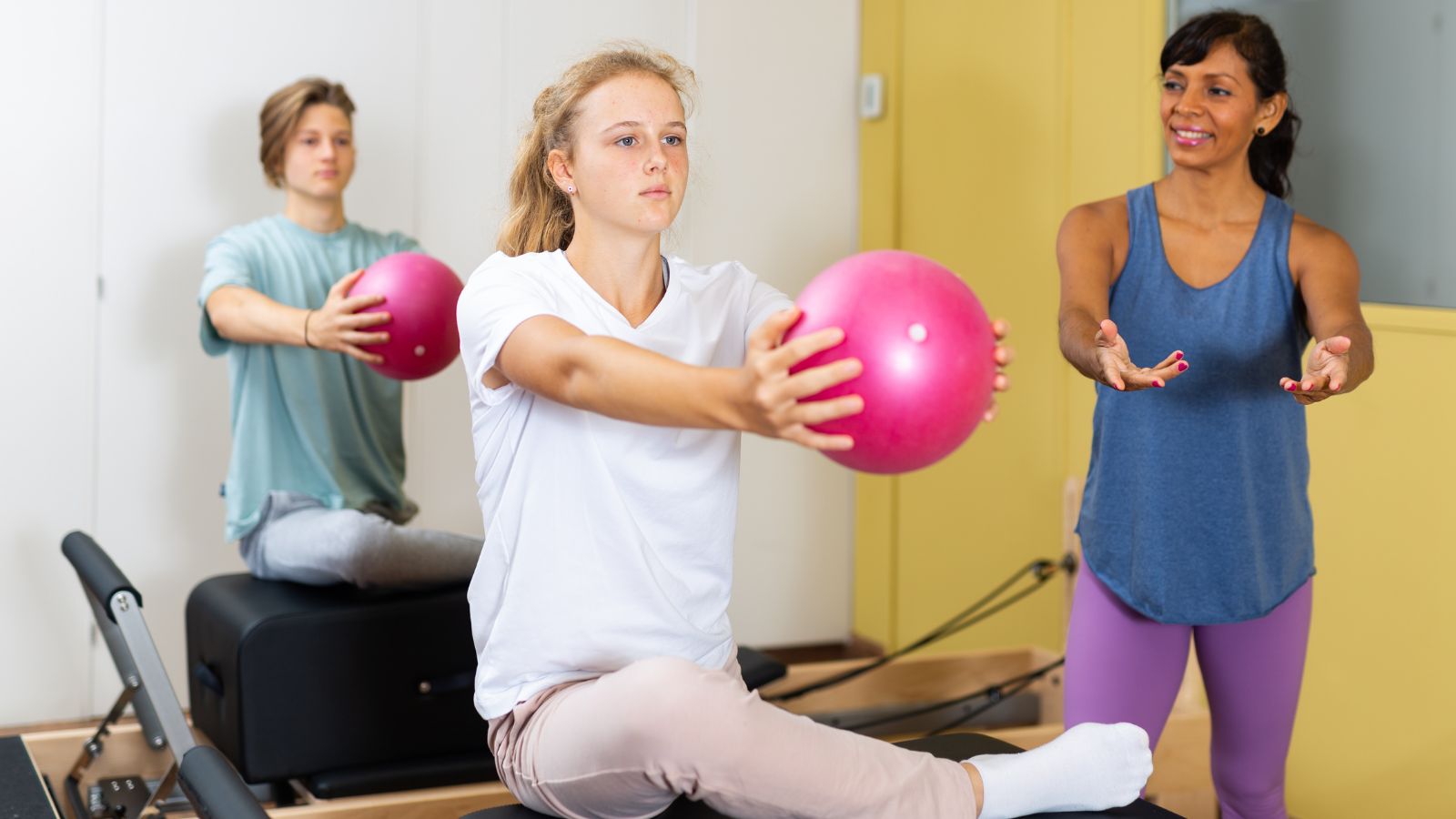
Another type is the Pilates ball, smaller than a traditional exercise ball but essential in enhancing pilates workouts by providing support during movements.
Fitballs are designed specifically with fitness enthusiasts in mind. They often feature textured surfaces to improve grip during rigorous sessions. Each type serves its purpose while contributing uniquely to overall health and fitness journeys.
Materials Needed for Pumping
Before you begin pumping up your How to pump exercise ball, gather a few essential materials. First on the list is an air pump. You can choose between a manual or electric pump depending on your preference and convenience.
Next, have a measuring tape handy. This will help ensure you’re inflating the ball to its correct size for optimal use. Don’t forget about the needle valve adapter if your pump doesn’t come with one. This small tool fits into the ball’s valve and allows for efficient inflation.
A soft cloth or towel may also be useful for wiping off any dust or debris from the exercise ball before you start pumping it up. Keep some water nearby to stay hydrated during this process; after all, you’ll want to feel refreshed while getting everything set!
Step-by-Step Guide on How to Properly Pump Up Your Exercise Ball
Start by finding a flat, clean surface to work on. This will provide stability while you pump up your exercise ball. Next, locate the valve on the ball. Remove any plastic cap or cover gently. It’s essential to keep it safe for later use.
Now grab your air pump. If you’re using a hand pump or electric one, make sure it’s compatible with the ball’s valve size. Insert the nozzle into the valve and secure it tightly. You want an airtight seal to prevent any air from escaping during inflation.
Begin pumping steadily. Keep an eye on the size of your ball as you go; most exercise balls should be inflated until they reach their recommended diameter, often marked in inches.
Once you achieve this size, remove the nozzle carefully without letting air escape. Quickly replace and seal off the valve with its cover to maintain optimal pressure and firmness.
Maintenance and Care Tips
To ensure your How to pump exercise ball lasts, regular maintenance is key. Start by inspecting it for any signs of wear or damage. A small puncture can quickly turn into a bigger issue if left unchecked.
Keep your ball clean to avoid slipping during workouts. Use a soft cloth and mild soap solution to wipe down the surface regularly. Avoid harsh chemicals that could degrade the material. Store your exercise ball in a cool, dry place when not in use. Excessive heat or direct sunlight can weaken its structure over time.
If you have pets, be cautious about where you leave the ball. Sharp claws or teeth can lead to unfortunate accidents. Remember to check the inflation level periodically. An under-inflated ball may not provide adequate support and could lead to injury during exercises.
Common Mistakes to Avoid when Pumping Up Your Exercise Ball
Pumping up your How to pump exercise ball can seem simple, but several common mistakes can turn the task into a hassle. First, over-inflating is a frequent error. This not only makes it uncomfortable to use but also increases the risk of bursting.
Neglecting to check for proper inflation before using the ball is another pitfall. A poorly inflated ball can lead to instability and ineffective workouts. Using the wrong pump type might complicate your process. Ensure you have a compatible pump that fits your ball’s valve securely.
Don’t forget about checking for leaks after inflating. A quick inspection can save time and frustration down the line if air starts escaping unexpectedly. Ignoring manufacturer guidelines on size and pressure will affect performance. Always refer to these specifications for optimal results during your exercises.
Conclusion
Pumping up your How to pump exercise ball correctly is essential for safety and performance. A properly inflated ball enhances your workouts and improves stability.
When you take the time to understand how to pump an exercise ball, you set yourself up for success. Your experience with balance exercises or seated stretches will be far more enjoyable when the ball has just the right firmness.
Taking care of your equipment doesn’t stop at inflation. Regular maintenance ensures longevity, making it a valuable addition to your fitness routine.
By avoiding common pitfalls during inflation, you can prevent damage and ensure optimal function. Remember that a well-maintained exercise ball can elevate not only workouts but also daily activities like sitting or stretching. Embrace these insights and enjoy every bounce!
FAQs
Understanding how to pump exercise ball properly can significantly enhance your workout experience. Here are some frequently asked questions that will help clarify any lingering doubts.
What size exercise ball do I need?
Choosing the right size is crucial. A general guideline is: if you’re 5’0″ to 5’5″, a 55 cm ball is ideal; for those between 5’6″ and 6’0″, opt for a 65 cm ball; and if you’re over 6’1”, go with a larger, 75 cm ball.
How often should I inflate my exercise ball?
Regularly check the firmness of your exercise ball. Depending on usage, it might lose air over time. It’s good practice to inflate it every few months or whenever it feels softer than usual.
Can I use an electric pump?
Yes, an electric pump can save you time and effort when pumping up your exercise ball. Just make sure it’s compatible with the valve type of your specific model.
Is there anything special about maintaining my exercise ball?
To prolong its life, keep it out of direct sunlight and away from sharp objects. Regular cleaning with mild soap will also keep it looking fresh.
What happens if my exercise ball pops?
If an accidental puncture occurs, don’t worry! Most balls come with repair kits for minor damages so they can be patched up easily.
Understanding these aspects will ensure you’re well-equipped not just in pumping up your exercise equipment but also in maximizing its benefits in your fitness regimen.
