
The Ultimate Guide to Desk Stretching Exercises for Office Workers can help transform a long, sedentary workday into a healthier and more comfortable experience. Spending hours at a desk can leave your neck, shoulders, back, hips, and legs feeling tight. Regular movement and gentle stretching can help counter the effects of prolonged sitting while making it easier to maintain good posture throughout the day.
Desk stretching does not require special equipment, a large space, or a complete break from your work routine. A few minutes of gentle movement can provide a welcome physical reset between tasks. By incorporating simple stretches into your daily schedule, you can improve mobility, reduce muscle tension, and encourage healthier movement habits while working.
Why Desk Stretching Exercises Matter for Office Workers
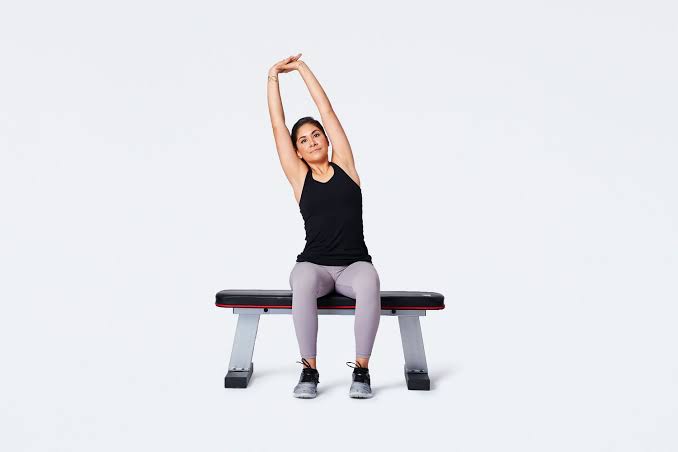
Long periods of sitting can reduce movement throughout the body and contribute to feelings of stiffness. When you remain in one position for an extended period, areas such as the hips, shoulders, and upper back may become particularly uncomfortable. Gentle stretching provides an opportunity to move these areas through comfortable ranges of motion.
Regular movement breaks can also help you become more aware of your posture. Stretching should not replace regular physical activity, but it can complement an active lifestyle by breaking up periods of uninterrupted sitting. Even short movement sessions throughout the day can make a desk-based routine feel more manageable.
Neck and Shoulder Stretches at Your Desk
The neck and shoulders often become tense during computer work, especially when you concentrate on a screen for several hours. A gentle neck stretch can be performed by sitting upright and slowly bringing one ear toward the corresponding shoulder. Hold the comfortable position briefly before returning to the center and repeating on the other side.
Shoulder rolls are another simple option. Slowly move your shoulders upward, backward, and downward before repeating the motion in a controlled manner. These movements can help loosen the shoulder area and provide a short break from the static posture associated with desk work.
Upper Back and Chest Stretches
The upper back can become stiff when you spend much of the day leaning toward a computer. A seated upper-back stretch can be performed by extending your arms forward and gently rounding your upper back while keeping your movement comfortable. Avoid forcing the stretch or holding your breath.
A chest-opening movement can provide a useful counterbalance to a forward-leaning work position. Sit tall, gently draw your shoulders back, and open your chest without overextending your lower back. Hold the position for several comfortable breaths before relaxing.
Wrist and Forearm Stretches
Typing and using a mouse involve repetitive movements of the hands and wrists. Gentle wrist exercises can help introduce movement after extended periods of keyboard or mouse use. Extend one arm in front of you with the palm facing upward and gently guide the fingers downward with the opposite hand.
You can also turn the palm downward and gently guide the fingers toward your body to stretch the opposite side of the forearm. Keep the pressure light and stop if you experience pain, numbness, or tingling. Frequent short movement breaks are especially useful when your job involves extensive computer work.
Seated Hip and Lower-Body Stretches
The hips and legs can feel tight after sitting for long periods. A seated figure-four stretch can gently target the outer hip. Sit upright, place one ankle over the opposite thigh, and lean forward slightly while keeping your back comfortable. Avoid pushing the knee downward.
A seated hamstring stretch can also be incorporated into a work break. Extend one leg comfortably forward while keeping the other foot supported, then hinge gently from the hips. Keep the movement controlled and avoid bouncing. These stretches can provide a simple way to introduce more lower-body movement during the workday.
Back-Friendly Desk Movements
A healthy desk routine should include regular changes in position rather than relying exclusively on stretching. Standing up, walking around the office, or taking a short movement break can reduce the amount of uninterrupted sitting during the day. These small habits can be easier to maintain when connected to existing work activities.
Gentle seated torso rotations can also introduce movement to the middle and upper back. Sit upright, place your hands comfortably on your thighs, and slowly rotate your torso to one side before returning to the center. Repeat on the opposite side without forcing the rotation.
Creating a Simple Desk Stretching Routine
A practical routine can be completed in just a few minutes. Start with gentle neck movements, followed by shoulder rolls and chest opening. Continue with wrist and forearm stretches before moving to the hips and legs. Finish by standing up and walking briefly if your workspace allows.
Consistency matters more than performing a long stretching session once a week. Consider taking a brief movement break every hour or whenever you notice yourself becoming stiff. Set a reminder on your computer or phone if you frequently become absorbed in work and forget to move.
Improving Posture During the Workday
Stretching works best when combined with an ergonomic workspace and regular changes in position. Keep your screen at a comfortable height, position your keyboard and mouse so your shoulders can remain relaxed, and sit with your feet supported when possible. Avoid remaining in one posture for the entire workday.
Good posture should feel natural rather than rigid. Instead of trying to hold your body perfectly still, regularly adjust your position and move throughout the day. Alternating between sitting, standing, walking, and gentle stretching can create a more dynamic working environment.
Safety Tips for Office Stretching
Desk stretches should feel gentle and controlled rather than painful. Avoid bouncing, forcing a joint into a deep position, or holding your breath. If a movement causes sharp pain, dizziness, numbness, or unusual symptoms, stop and seek appropriate professional advice if the problem persists.
People with existing injuries or medical concerns should speak with a qualified healthcare professional before beginning a new exercise or stretching programme. The goal of desk stretching is to encourage comfortable movement, not to push flexibility to its limits.
Conclusion
The Ultimate Guide to Desk Stretching Exercises for Office Workers shows that staying active during a desk-based workday does not require complicated equipment or lengthy workouts. Gentle movements for the neck, shoulders, back, wrists, hips, and legs can provide useful opportunities to break up extended periods of sitting and promote comfortable mobility.
The most effective approach is to make movement part of your everyday work routine. Combine short stretching breaks with walking, posture awareness, ergonomic adjustments, and regular changes in position. With consistency, these simple habits can help you feel more mobile, refreshed, and comfortable throughout the working day.
FAQs
How often should office workers stretch?
Taking short movement breaks throughout the workday can be helpful. Try to avoid remaining seated for long uninterrupted periods and move whenever practical.
Can desk stretching improve flexibility?
Regular gentle stretching can help maintain or gradually improve flexibility when performed consistently and comfortably.
What is the best stretch for neck tension?
Gentle side-to-side neck stretches and controlled shoulder rolls are simple options. Never force the neck into an uncomfortable position.
Can I stretch while sitting at my desk?
Yes. Many neck, shoulder, wrist, upper-back, and hip stretches can be performed safely while seated.
How long should each stretch last?
A comfortable stretch can generally be held for around 15 to 30 seconds without bouncing. The movement should remain gentle and controlled.
Can stretching help with back stiffness?
Gentle movement may help reduce feelings of stiffness associated with prolonged inactivity. However, persistent or severe back pain should be evaluated by an appropriate healthcare professional.
Should I stretch before or after work?
Both can be useful. Brief stretches during the workday help break up sitting, while a longer mobility session before or after work can complement your regular exercise routine.
Is desk stretching enough to stay fit?
No. Desk stretching is a useful movement habit but should complement regular cardiovascular activity, strength training, walking, and other forms of physical activity.
