
A Chest workout without gym: Build Your Pecs at Home is an excellent solution for anyone who wants to develop a stronger, more defined chest without relying on expensive gym memberships or heavy equipment. Bodyweight training has become increasingly popular because it allows people to build muscle, improve upper-body strength, and stay fit from the comfort of their homes. With consistency and the right exercise selection, you can effectively train your chest using only your body weight.
Many people believe that large muscles can only be built with barbells and weight machines, but this is not entirely true. Progressive bodyweight exercises can create enough resistance to stimulate muscle growth while improving balance, coordination, and functional strength. This guide explains how to build your chest at home with safe and effective techniques.
Why Choose a Chest Workout Without Gym?
Training at home offers flexibility and convenience that many people appreciate. You can exercise whenever your schedule allows without commuting to a fitness centre or waiting for equipment. This convenience makes it easier to remain consistent, which is one of the most important factors for building muscle over time.
Home chest workouts also save money while providing excellent results. Since bodyweight exercises use your own resistance, you can perform highly effective workouts in a small space. With proper form and gradual progression, home training can help you develop impressive chest strength and muscular definition.
Understanding the Chest Muscles
The chest is primarily made up of the pectoralis major and pectoralis minor muscles. The pectoralis major is responsible for movements such as pushing, pressing, and bringing the arms across the body, while the smaller pectoralis minor helps stabilize the shoulders and supports upper-body movement.
A balanced chest routine should train the upper, middle, and lower portions of the chest while also engaging the shoulders, triceps, and core. Strengthening these supporting muscles improves posture, enhances athletic performance, and reduces the risk of shoulder injuries.
Best Bodyweight Chest Exercises
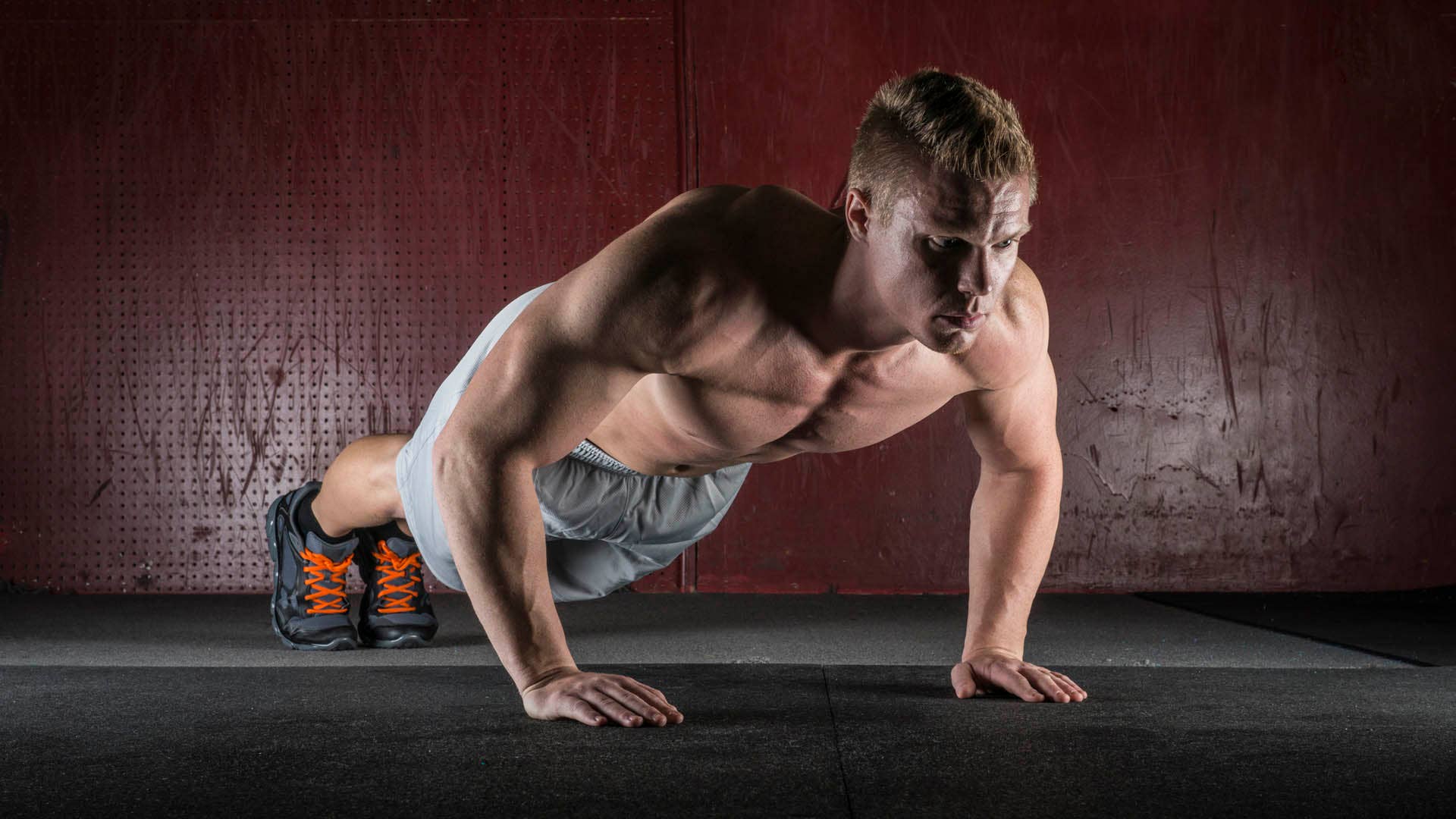
Push-ups remain one of the most effective exercises for building chest strength at home. Standard push-ups target the middle chest while engaging the shoulders, triceps, and abdominal muscles. Incline push-ups place greater emphasis on the lower chest, whereas decline push-ups shift more of the workload toward the upper chest.
Wide push-ups increase chest activation by placing the hands farther apart, while diamond push-ups focus more on the inner chest and triceps. As your strength improves, advanced variations such as archer push-ups and explosive push-ups provide greater resistance and continue challenging your muscles.
Creating an Effective Home Chest Workout
Begin every workout with a five-minute warm-up that includes arm circles, shoulder rolls, light jogging in place, and dynamic stretches. Warming up increases blood flow, improves mobility, and prepares your muscles for the exercises ahead. Starting with proper preparation also reduces the likelihood of strains or other workout-related injuries.
After warming up, perform several sets of different push-up variations with controlled movements and good technique. Rest briefly between sets while maintaining focus on quality repetitions rather than rushing through the workout. As your endurance improves, gradually increase the number of repetitions or choose more difficult exercise variations.
Progressive Overload Without Equipment
Muscles grow stronger only when they are challenged consistently. Even without weights, you can apply progressive overload by increasing repetitions, reducing rest periods, slowing each repetition, or advancing to more difficult push-up variations. These adjustments force your muscles to adapt and continue growing.
Changing exercise angles also helps target different areas of the chest. Elevating your feet during push-ups increases upper chest activation, while pausing briefly at the bottom of each repetition creates additional muscle tension. These simple modifications make bodyweight workouts highly effective for long-term progress.
Nutrition for Chest Muscle Growth
Exercise alone cannot maximize muscle development without proper nutrition. Consuming sufficient protein from foods such as chicken, fish, eggs, Greek yogurt, beans, and tofu supports muscle repair and growth after each workout. Protein provides the amino acids necessary for rebuilding muscle fibres stressed during training.
Healthy carbohydrates supply energy for workouts, while nutritious fats contribute to hormone production and overall health. Drinking enough water throughout the day also supports muscle function and recovery. Combining balanced nutrition with consistent exercise creates the ideal environment for building stronger chest muscles.
Recovery and Common Training Mistakes
Recovery is essential because muscles grow while resting rather than during the workout itself. Aim for seven to nine hours of quality sleep each night and allow at least one recovery day between intense chest sessions. Gentle stretching after exercise can reduce muscle tightness and improve flexibility.
Many beginners make the mistake of training their chest every day without allowing enough recovery time. Others perform push-ups too quickly, sacrificing technique for higher repetition counts. Controlled movements, proper posture, and gradual progression always produce better long-term results than rushing through workouts.
Staying Consistent With Your Home Training
Building a stronger chest requires patience and regular practice. Establishing a realistic weekly workout schedule helps create healthy habits while ensuring your muscles receive consistent training. Tracking your repetitions and exercise variations allows you to monitor progress and remain motivated.
Remember that muscle development takes time. Instead of focusing only on appearance, celebrate improvements in strength, endurance, and exercise performance. Small gains achieved consistently eventually lead to significant long-term results and increased confidence.
Conclusion
A Chest workout without gym: Build Your Pecs at Home proves that impressive chest development is possible without expensive equipment or gym memberships. Bodyweight exercises such as push-ups, incline push-ups, decline push-ups, and advanced variations effectively strengthen the chest while also improving upper-body stability and functional fitness. With proper technique and progressive overload, your muscles will continue adapting and growing over time.
Success comes from consistency, balanced nutrition, adequate recovery, and patience. Stay committed to your routine, focus on quality movement, and gradually increase the challenge as your strength improves. By following these principles, you can build stronger, more defined pectoral muscles from the comfort of your own home.
FAQs
Can I build a big chest without going to the gym?
Yes. Bodyweight exercises combined with progressive overload and proper nutrition can effectively build chest strength and muscle size.
How often should I train my chest at home?
Training your chest two to three times per week allows enough recovery while supporting consistent muscle growth.
Are push-ups enough for chest development?
Push-ups are highly effective, especially when combined with different variations that target the upper, middle, and lower chest.
How many push-ups should beginners perform?
Beginners should perform a manageable number of repetitions with proper form, gradually increasing volume as strength improves.
How long does it take to see chest muscle growth?
Many people notice strength improvements within four to six weeks, while visible muscle growth usually becomes noticeable after two to three months of consistent training.
What should I eat after a chest workout?
A balanced meal containing lean protein, healthy carbohydrates, and vegetables supports muscle recovery and replenishes energy.
Do I need equipment for a home chest workout?
No. Most effective chest exercises rely only on body weight, although optional items such as resistance bands can add variety.
Can home chest workouts improve posture?
Yes. Strengthening the chest along with the shoulders and upper back contributes to better posture and overall upper-body stability.
