

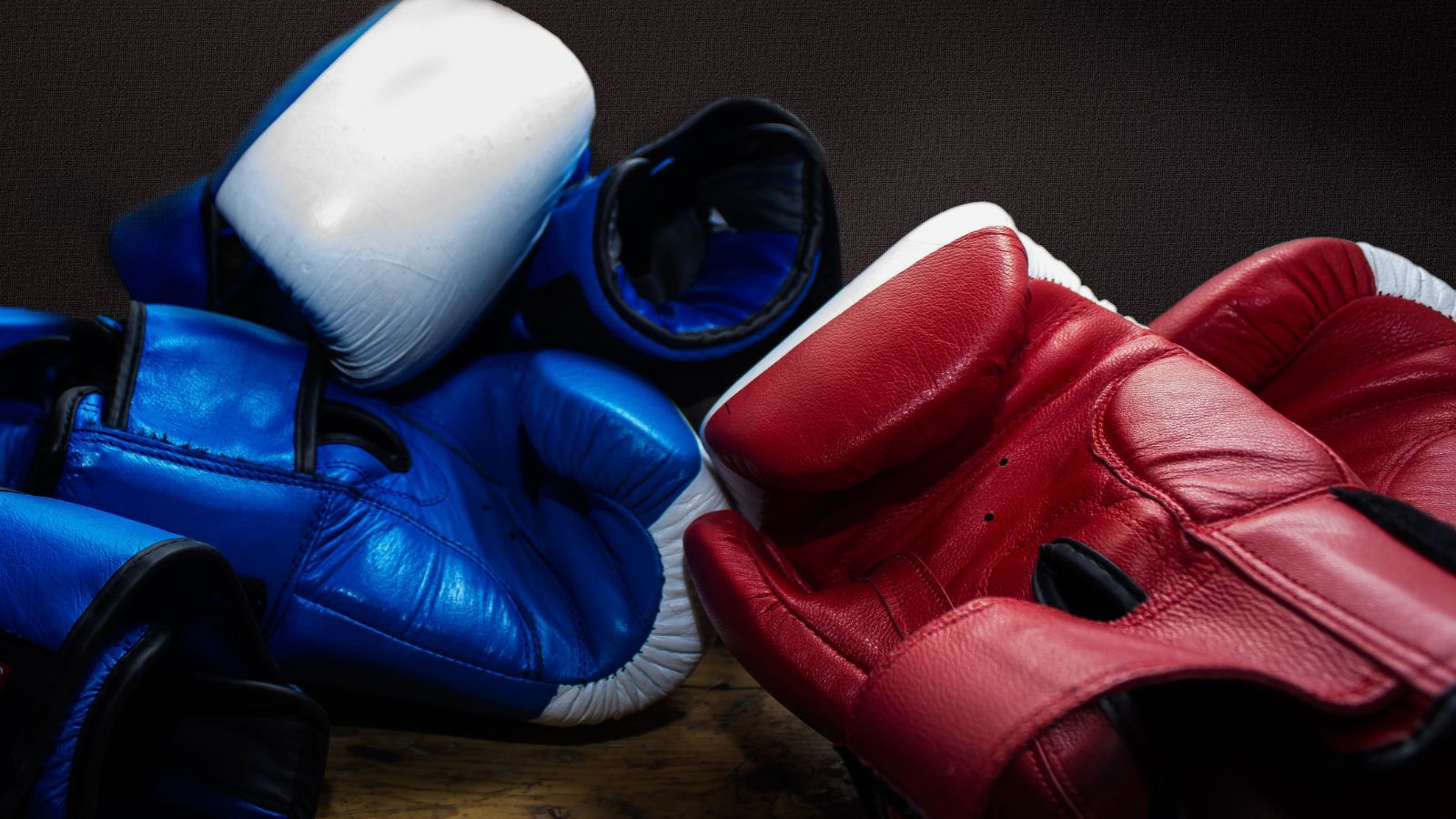
Choosing the right boxing gloves can make or break your training experience. A boxing gloves size chart provides clear guidance so you get the perfect fit every time. Whether you are a beginner stepping into the gym or an experienced fighter looking for new equipment, understanding how to select the correct size helps protect your hands and improve your performance. The right gloves reduce wrist strain, prevent blisters, and allow full power in every punch.
Many people wonder how to find the exact size without guessing or buying the wrong pair. A reliable boxing gloves size chart combines your body weight, hand measurements, and the type of gloves you plan to use. With this simple chart, you can make confident decisions that keep you safe and focused on improving your skills.
Why the Right Boxing Gloves Size Matters
A proper boxing gloves size chart ensures your gloves fit snugly without being too tight or too loose. When gloves fit correctly, your wrists stay protected, your punches stay powerful, and you avoid common issues like blisters or joint pain. Poorly sized gloves can lead to fatigue and reduced accuracy, especially during longer sessions or sparring rounds.
Investing time to measure correctly pays off in better results and longer glove life. A correctly sized pair lasts longer and performs better, helping you train harder without worrying about equipment failures. For anyone serious about boxing, getting the size right is one of the most important steps toward consistent progress.
How to Measure Your Hand for the Best Fit
Measuring your hand is the most accurate way to use a boxing gloves size chart. Grab a flexible tape measure and wrap it around the widest part of your dominant hand, right below the knuckles and across the palm. Make sure the tape sits straight and parallel to the ground for the most reliable reading.
Repeat the measurement a few times and note the average in inches or centimeters. This number, along with your body weight, lets you cross-reference a standard boxing gloves size chart. Avoid measuring your thumb or including it in the circumference for accurate results every time.
The Complete Boxing Gloves Size Chart by Weight
A boxing gloves size chart by weight class helps beginners and experts alike pick the right gloves quickly. For youth fighters under 100 pounds, 6 to 8 ounce gloves work best. Young adults or smaller adults often choose 10 to 12 ounce gloves, while those over 150 pounds typically need 14 or 16 ounce gloves for proper protection.
The chart also varies slightly by training type. Bag and heavy bag gloves often come in lighter weights for more control, while sparring gloves and competition gloves use heavier weights to absorb impact. Always check the specific manufacturer’s boxing gloves size chart for your exact model, as padding and cuff design can influence the final fit.
Boxing Gloves Size Chart for Youth Fighters
Youth boxing gloves size charts focus on smaller hand measurements and lower weights to match growing bodies. For children ages 8 to 12, look for 8 to 12 ounce gloves with hand circumferences between 6.5 and 7.5 inches. Younger kids under 8 years old usually fit 4 to 6 ounce gloves with smaller hands around 5 to 6 inches.
These charts also consider height and overall weight to prevent over or under protection. Using a youth boxing gloves size chart ensures your child’s wrists and knuckles receive the right amount of cushioning during dynamic training. Parents should always verify the chart against the specific brand’s recommendations for the best results.
Sparring vs Training Gloves: Size Differences
Sparring gloves in a boxing gloves size chart usually come heavier because they protect both your hands and the opponent. Expect 14 to 16 ounce gloves for most adult sparring sessions. Training gloves for bag work often weigh less, such as 12 to 14 ounces, to give you better control and feel during practice.
The difference in weight directly affects how the gloves feel on your hands. Heavier sparring gloves create a more padded barrier, while lighter training gloves allow you to feel the impact and adjust your technique. Always refer to your specific brand’s sparring versus training gloves size chart to match the right weight to your activity.
How Hand Width and Circumference Guide Your Choice
Hand width plays a big role when using a boxing gloves size chart. Wider hands need slightly larger gloves to stay secure during powerful punches. Measure your hand width from the tip of your middle finger to the base of your palm, then compare it to standard charts.
A hand circumference around 8 inches might suggest a larger size than someone with 6.5 inch hands. Combining both measurements with your weight gives the most accurate picture. This dual approach prevents buying gloves that slip or feel too tight around the wrist.
Common Mistakes to Avoid When Selecting Boxing Gloves
Many fighters pick the wrong gloves because they rely only on weight and ignore hand measurements. This mistake can cause blisters, joint pain, or reduced punching power. Another error is buying competition gloves for bag work or vice versa, which changes the fit and protection level.
Always start with the most important measurement, your hand circumference, and cross-check against the manufacturer’s full boxing gloves size chart. Ignoring brand-specific differences can lead to surprises, so take your time and test fit before committing to a purchase.
Choosing the Right Boxing Gloves for Your Training Style
Different training styles call for different approaches in a boxing gloves size chart. For heavy bag work, lighter gloves often provide better feedback and control. Sparring sessions benefit from heavier gloves that absorb impact safely. Competition fighters may need the lightest yet most protective options available.
Consider your body weight, experience level, and the equipment you will be using most. A tailored choice based on these factors ensures maximum comfort and performance. Many gyms offer a size chart to help you find the best match for your personal style.
Conclusion
In conclusion, a reliable boxing gloves size chart serves as your roadmap to safe, effective, and comfortable training sessions. By measuring your hand circumference, considering your body weight, and understanding the differences between training and sparring styles, you can select gloves that protect your hands while enhancing your performance. The right size reduces injury risk and allows you to focus on improving your skills rather than worrying about ill-fitting equipment.
With consistent use of a boxing gloves size chart and attention to detail during purchase, you will enjoy longer-lasting gloves, better hand protection, and greater confidence in the ring or gym. Whether you are a youth fighter, adult beginner, or seasoned competitor, taking the time to match your measurements to the proper size pays off in improved results and fewer setbacks. Start with accurate measurements and your chosen brand’s chart for the best possible fit every time.
FAQs
What is the most important measurement for the boxing gloves size chart?
Hand circumference measured just below the knuckles on your dominant hand is the most accurate guide. Your body weight also matters, but hand size often determines the final fit more than weight alone. Always cross-reference both for the best result.
How do youth boxers use the boxing gloves size chart?
Youth fighters should follow weight and age-specific charts that recommend lighter gloves, such as 6 to 12 ounces. Measure hand circumference carefully and check the manufacturer’s youth boxing gloves size chart to ensure proper protection for growing hands and wrists.
Can hand width affect boxing gloves size?
Yes, wider hands typically need slightly larger gloves to stay secure during powerful punches. Combine hand width measurements with circumference readings and your overall weight when using a complete boxing gloves size chart for the most precise selection.
What is the difference between training and sparring gloves in size charts?
Sparring gloves usually come heavier, like 14 to 16 ounces, to protect both fighters. Training gloves for bag work are often lighter, 10 to 14 ounces, to give better control and feedback. Always check the specific brand’s sparring versus training gloves size chart.
How often should I measure for the boxing gloves size chart?
Measure once when buying new gloves and again if you gain or lose significant weight. Hand size usually stays stable, but weight changes can affect the best fit. Re-measure only when your physique changes noticeably for the most accurate results.
Do women need a different boxing gloves size chart?
No, the same boxing gloves size chart applies to women as to men. Base your choice on hand measurements and body weight rather than gender. Many women find their hand size falls into standard adult categories and use the same charts without adjustment.
Is it okay to buy gloves online without measuring?
Buying online without measuring can lead to poor fit and discomfort. Always use a boxing gloves size chart with your hand circumference and weight, or visit a store to try the gloves on for the best outcome. Direct measurement ensures the perfect size every time.
What should I do if my hand measurements fall between sizes?
Choose the larger size for better security and protection, especially during sparring or heavy bag work. A slightly loose fit is safer than too tight, as it prevents blisters and joint stress. Always verify with the manufacturer’s boxing gloves size chart for the final decision.
