

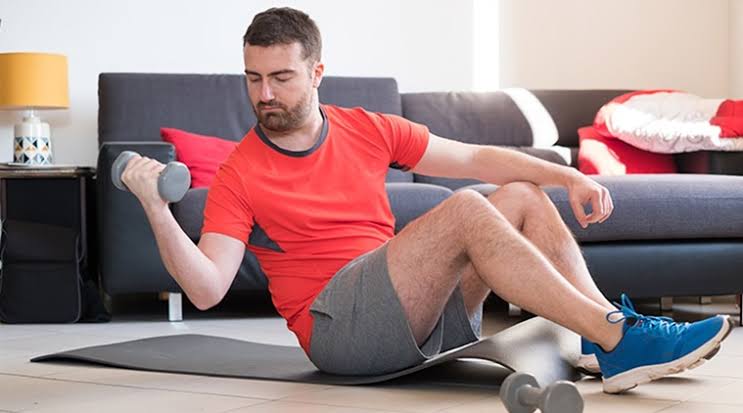
Starting a Beginner Exercise Program: Full Body Living Room Workouts can be one of the easiest ways to become more active without joining a gym or purchasing expensive equipment. Your living room can provide enough space for a practical routine that works your legs, arms, chest, back, shoulders, and core.
For beginners, the most important goal is not completing the hardest workout possible. It is learning proper movement, building consistency, and gradually improving your fitness. A well-designed home routine can help you develop strength, mobility, balance, and cardiovascular fitness while making exercise easier to fit into a busy schedule.
Why Start a Beginner Exercise Program at Home?
A beginner exercise program performed at home removes many common barriers to physical activity. You do not need to travel to a gym, wait for equipment, or feel uncomfortable exercising around other people. Instead, you can choose a convenient time, clear a small section of your living room, and begin.
Living room workouts can also make consistency easier. When exercise becomes part of your normal routine, you are more likely to continue doing it. Bodyweight movements such as squats, wall push-ups, glute bridges, and modified planks can provide an effective starting point for someone who has little or no recent exercise experience.
Another advantage is flexibility. A home routine can be adjusted according to your fitness level, available space, and schedule. You can perform a short workout when you have limited time or extend the session as your endurance improves.
How to Prepare for Full Body Living Room Workouts
Before beginning a workout, create a safe exercise area. Move small furniture, cords, toys, and other objects out of your workout space. Wear comfortable clothing and supportive footwear if needed. A yoga or exercise mat can provide additional comfort, particularly for floor exercises.
Your first sessions should focus on learning technique rather than speed. Perform each movement through a comfortable range of motion and avoid forcing your body into positions that cause pain. If you have an existing medical condition, injury, or significant health concern, consider getting professional guidance before starting a new exercise routine.
A short warm-up can prepare your body for movement. Try gentle marching in place, shoulder circles, arm swings, controlled bodyweight squats, and easy side steps for several minutes. The purpose is to gradually increase movement and prepare your joints and muscles for the workout.
Beginner Full Body Workout Routine
A simple full-body routine should involve several major movement patterns rather than concentrating on only one body part. Squats can train the lower body, while modified push-ups can work the chest, shoulders, and arms. Glute bridges provide another lower-body movement, and bird-dogs or modified planks can challenge the core.
For your first few sessions, keep the workout manageable. Perform controlled repetitions of each exercise and rest whenever your breathing becomes difficult or your technique starts to deteriorate. The goal is to finish the session feeling that you challenged yourself without completely exhausting your body.
Bodyweight Squats
Stand with your feet approximately shoulder-width apart and keep your chest comfortably lifted. Bend your knees and hips as though you were lowering yourself toward a chair, then press through your feet to return to standing.
Squats are useful in a beginner exercise program because they train several lower-body muscles at once. If a full squat feels difficult, reduce the depth or practice sitting down and standing up from a stable chair.
Wall or Incline Push-Ups
Traditional push-ups may be challenging for someone new to exercise. Wall push-ups provide an easier variation. Stand facing a wall, place your hands against it, bend your elbows to bring your chest closer, and then push yourself away.
As your strength improves, you can progress to an incline push-up using a stable elevated surface and eventually work toward a floor push-up. Keep your body controlled throughout the movement instead of allowing your shoulders or hips to collapse.
Glute Bridges
Lie on your back with your knees bent and your feet comfortably positioned on the floor. Keep your arms beside your body and gently lift your hips while squeezing your glutes. Lower yourself with control and repeat.
This movement emphasizes the glutes and also encourages beginners to practice controlled hip extension. Avoid excessively arching your lower back while lifting your hips.
Bird-Dog
Start on your hands and knees with your hands beneath your shoulders and knees beneath your hips. Slowly extend one arm and the opposite leg while maintaining a stable torso. Return to the starting position and switch sides.
Bird-dogs can introduce beginners to controlled core stabilization. Moving slowly is more important than reaching as far as possible. If balancing both limbs feels difficult, practice lifting only one arm or one leg at a time.
Modified Plank
A modified plank can be performed with your knees on the floor. Place your hands or forearms in a comfortable position and maintain a straight line through your torso while gently engaging your abdominal muscles.
Instead of holding the position for a long time, begin with short intervals. Good technique matters more than duration. As your core endurance develops, you can gradually increase the holding time or progress toward a standard plank.
Creating a Weekly Beginner Exercise Program
A successful routine should include recovery rather than requiring intense exercise every day. Beginners often benefit from alternating workout days with lighter movement or rest. Walking, gentle stretching, or everyday physical activity can complement your main workouts.
Start with a schedule that feels realistic. For example, three full-body sessions per week can provide regular opportunities to practice movement while leaving recovery days between workouts. The exact schedule can be adjusted according to your lifestyle and fitness level.
Consistency matters more than creating an ambitious plan that becomes difficult to maintain. If you can comfortably complete a short session several times a week, you have created a foundation that can gradually become more challenging.
How to Make Living Room Workouts More Effective
Once the exercises begin to feel easier, you can increase the challenge gradually. You might perform a few additional repetitions, increase the duration of an exercise, reduce rest periods slightly, or move from an easier variation to a more demanding one.
Progress does not have to happen every workout. Your body needs time to adapt. Keeping a simple record of your workouts can help you notice improvements in repetitions, exercise duration, movement quality, and overall stamina.
You can also make workouts more engaging by changing the order of exercises or including different bodyweight movements. However, beginners should avoid constantly changing routines simply for variety. Repeating fundamental movements gives you time to develop better technique and confidence.
Common Mistakes Beginners Should Avoid
One common mistake is trying to do too much too soon. Completing a very demanding workout may leave you excessively sore and make it harder to exercise again. A gradual approach is usually more sustainable than attempting advanced movements immediately.
Another mistake is sacrificing technique for repetitions. Ten controlled repetitions can be more useful for learning a movement than many rushed repetitions performed with poor form. Pay attention to posture, breathing, and control throughout each exercise.
Skipping warm-ups and recovery can also make a routine less comfortable. Give your body time to prepare for exercise and allow adequate recovery between challenging sessions. If an exercise causes sharp or unusual pain, stop rather than attempting to push through it.
Nutrition and Recovery for Beginners
Exercise is only one part of becoming healthier and fitter. Your body also needs adequate nutrition, fluids, sleep, and recovery. A balanced diet containing a variety of protein sources, fruits, vegetables, whole grains, and other nutrient-rich foods can support an active lifestyle.
Recovery is particularly important when you are new to exercise. Muscles may feel tired after unfamiliar activity, and rest gives your body an opportunity to adapt. Try to maintain a regular sleep schedule and avoid turning every workout into a maximum-effort session.
You do not need a complicated supplement routine to begin exercising. Focus first on building consistent movement habits and maintaining a balanced approach to food and recovery.
Staying Motivated With Home Exercise
Motivation can change from day to day, so building a routine around habits can be more reliable than waiting to feel motivated. Choose a regular workout time and keep your exercise area easy to access. Preparing your clothes or mat ahead of time can also reduce the number of decisions required before starting.
Set small goals that you can realistically achieve. Completing several workouts in a month, improving your squat technique, holding a plank longer, or progressing from wall push-ups to incline push-ups can all represent meaningful progress.
Remember that fitness develops gradually. Missing one workout does not mean your routine has failed. Simply return to your schedule during the next available opportunity and continue building the habit.
Conclusion
A Beginner Exercise Program: Full Body Living Room Workouts can provide a practical starting point for people who want to become more active at home. With simple exercises such as squats, modified push-ups, glute bridges, bird-dogs, and planks, you can train multiple areas of the body without needing a traditional gym setup.
The best beginner routine is one that you can perform safely and consistently. Start with manageable sessions, focus on movement quality, allow your body to recover, and gradually increase the challenge as your fitness improves. Over time, your living room can become a convenient place to build a stronger and more active lifestyle.
FAQs
How long should a beginner living room workout last?
A beginner can start with a short session and gradually increase the duration. The quality of movement and consistency are more important than making every workout long.
Can I get fit with living room workouts?
Yes. Regular bodyweight training can improve strength, muscular endurance, mobility, and general fitness. Progress becomes more important as your body adapts.
How many days a week should beginners exercise?
Three workout sessions per week can be a practical starting point for many beginners. Recovery or lighter activity can be included between more challenging sessions.
Do I need equipment for a beginner workout?
No. Many beginner exercises can be performed using body weight alone. A mat or stable chair can sometimes make certain exercises more comfortable or accessible.
What should I do if squats are difficult?
Reduce the depth and practice sitting down and standing up from a stable chair. As your strength and confidence improve, you can gradually work toward deeper bodyweight squats.
Are living room workouts good for weight management?
Regular physical activity can contribute to overall energy expenditure and support a healthy lifestyle. Nutrition, daily activity, sleep, and other lifestyle factors also influence weight management.
How can I make my home workouts harder?
You can gradually increase repetitions, exercise duration, or resistance, or progress to more challenging exercise variations. Make changes gradually rather than increasing everything at once.
What should beginners do after a workout?
Allow time for recovery and maintain normal hydration and balanced nutrition. Gentle everyday movement can also help you remain active between workout sessions.
