

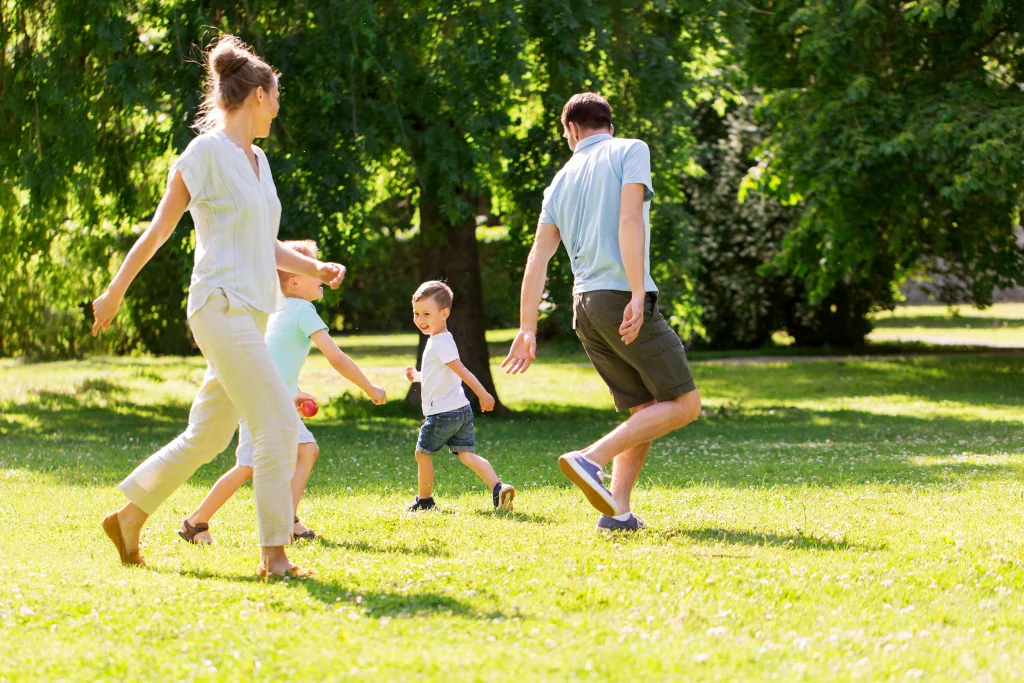
An Active Lifestyle Guide: 10 Simple Ways to Move More Every Day can help you become healthier without requiring complicated workouts or long hours at the gym. Modern routines often involve sitting for extended periods while working, studying, commuting, or relaxing. Adding more movement to everyday activities is a simple way to increase physical activity and support overall well-being.
Living actively does not mean exercising intensely every day. Small habits, such as walking more, taking the stairs, stretching between tasks, or spending time outdoors, can add up throughout the day. The goal is to make movement a natural part of your lifestyle rather than something you only do during scheduled workouts.
What Is an Active Lifestyle?
An active lifestyle means regularly incorporating physical movement into your daily routine. It can include planned exercise, walking, household activities, recreational sports, gardening, cycling, dancing, or simply standing and moving more often. The key is reducing unnecessary periods of inactivity.
You do not need to be an athlete to live actively. Someone who takes regular walks, uses stairs, completes household chores, and participates in enjoyable activities can build a healthy movement routine. Choosing activities you enjoy makes it easier to remain consistent over time.
Walk More Throughout the Day
Walking is one of the easiest ways to increase daily physical activity. You can take a short walk before work, during a lunch break, after dinner, or whenever you have a few free minutes. Regular walking supports cardiovascular fitness while allowing you to enjoy fresh air and a change of scenery.
Try finding natural opportunities to walk instead of automatically choosing the easiest option. Park farther away from a destination, walk to nearby shops, or take a longer route home when practical. These small changes can gradually increase your daily movement without feeling like a formal workout.
Take the Stairs More Often
Choosing stairs instead of elevators is another simple way to add movement to your routine. Climbing stairs challenges the muscles in your legs and increases your heart rate, making it a useful form of everyday activity.
You do not have to climb many flights at once to benefit. Start with one or two flights and gradually increase your activity as your fitness improves. If you have mobility limitations or health concerns, choose an approach that feels safe and comfortable for you.
Break Up Long Periods of Sitting
Sitting for long periods can make it difficult to maintain an active routine. One practical solution is to interrupt sitting regularly with brief periods of movement. Stand up, walk around the room, stretch, or perform a few gentle mobility exercises between tasks.
Setting a reminder can help you develop this habit. During phone calls, consider walking around instead of remaining seated. These short movement breaks may seem insignificant, but repeated throughout the day they can substantially increase your overall activity.
Make Household Chores More Active
Everyday household tasks can become opportunities to move more. Cleaning, vacuuming, gardening, washing the car, organizing rooms, and carrying groceries all require physical effort. Instead of viewing chores only as responsibilities, consider them another way to stay active.
You can also add movement by completing tasks manually instead of relying on convenience whenever practical. Gardening, for example, combines walking, bending, lifting, and reaching. These activities can contribute to a more active lifestyle while helping you maintain your home.
Add Short Home Workouts
You do not always need a long workout to become more active. A short home session can include exercises such as squats, wall push-ups, lunges, marching in place, and gentle core movements. Even ten minutes of intentional activity can make a difference when performed consistently.
Short workouts are particularly useful on busy days. Instead of skipping exercise because you cannot dedicate an hour to it, fit a brief session into your schedule. Consistency is often more valuable than waiting for the perfect amount of free time.
Choose Active Hobbies
An active hobby can make physical activity feel more enjoyable and less like a chore. Dancing, swimming, cycling, hiking, recreational sports, gardening, and walking with friends are examples of activities that encourage regular movement.
The best activity is one you genuinely enjoy. When exercise becomes connected to entertainment, social interaction, or personal interests, you are more likely to continue doing it. Experiment with different activities until you discover something that fits your personality and lifestyle.
Move More While Working
Work routines can often involve many hours of sitting, but small changes can create more opportunities for movement. If possible, stand during certain tasks, walk while making phone calls, or take short breaks to stretch and move around.
If you work from home, consider placing frequently used items farther away so you naturally have to stand and walk. A brief movement break can also provide a mental reset, helping you return to your work feeling refreshed and focused.
Spend More Time Outdoors
Outdoor activities provide an excellent opportunity to combine movement with fresh air and a change of environment. A walk through a local park, a hike, gardening session, or casual game outside can encourage you to stay active without feeling like structured exercise.
Spending time outdoors may also make physical activity more enjoyable. Invite family members or friends to join you for walks or recreational activities. Social movement can provide additional motivation and make an active lifestyle easier to maintain.
Set Realistic Daily Movement Goals
Setting realistic goals gives your activity routine direction. Rather than trying to completely change your lifestyle overnight, choose one or two habits that are easy to maintain. For example, you might begin with a daily walk or regular movement breaks during work.
Once those habits become comfortable, gradually add more activity. Tracking your walks, workouts, or other movement can help you recognize progress. Avoid focusing solely on numbers; improving consistency and finding enjoyable ways to move are equally important.
Make Movement a Family Habit
Creating an active household can make movement easier and more enjoyable. Families can take evening walks, play outdoor games, visit parks, ride bicycles, or participate in recreational activities together. These experiences encourage physical activity while providing valuable time together.
Children often learn habits by observing adults, so demonstrating an active approach to life can have lasting benefits. Instead of making every leisure activity screen-based, create opportunities for movement and outdoor play whenever possible.
Stay Consistent With Your Active Lifestyle
Consistency is the foundation of an active lifestyle. You do not need to be perfect, and missing an active day does not mean your progress has disappeared. Simply return to your normal routine and continue building healthy habits.
Focus on gradual improvements rather than dramatic changes. Walking a little farther, standing more often, taking the stairs, or adding a short workout can eventually become automatic. Over time, these small decisions can create a lifestyle in which movement is a normal part of every day.
Conclusion
An Active Lifestyle Guide: 10 Simple Ways to Move More Every Day shows that becoming more active does not require expensive equipment, complicated programs, or hours at the gym. Walking more, taking the stairs, breaking up sitting time, completing household tasks, and enjoying active hobbies can all increase daily movement.
The most successful approach is to make physical activity convenient, enjoyable, and sustainable. Start with small changes that fit naturally into your routine, then build gradually as your confidence and fitness improve. With consistency, everyday movement can become a powerful part of a healthier and more energetic lifestyle.
FAQs
How can I become more active every day?
Start with simple habits such as walking more, taking the stairs, standing regularly, completing household chores, and adding short workouts to your routine.
Do I need to exercise every day to stay active?
Not necessarily. Regular movement throughout the day is valuable, while structured exercise can be scheduled according to your fitness level, goals, and recovery needs.
Is walking enough to improve fitness?
Walking can provide meaningful cardiovascular and health benefits, especially when performed regularly. Increasing your pace or distance can gradually make walking more challenging.
How often should I take movement breaks?
If you spend much of your day sitting, taking brief movement breaks regularly can help reduce prolonged inactivity. Choose a schedule that works naturally with your daily responsibilities.
Can household chores count as physical activity?
Yes. Cleaning, gardening, carrying groceries, and other household activities involve movement and can contribute to your overall daily activity.
What are good active hobbies?
Walking, hiking, cycling, swimming, dancing, gardening, and recreational sports are excellent choices. The best option is something you enjoy and can do consistently.
How can I stay motivated to move more?
Choose enjoyable activities, set realistic goals, involve friends or family, and track your progress. Making movement part of your normal routine can reduce the need for constant motivation.
Can small amounts of movement really make a difference?
Yes. Short periods of activity accumulated throughout the day can increase your total movement. Small, sustainable changes are often easier to maintain than major lifestyle changes.
