

Are your hamstrings feeling tight and stiff? You’re not alone. Many people struggle with hamstring flexibility, which can impact everything from your workouts to daily activities. If you’re looking to improve your mobility, boost performance, or simply feel more comfortable in your own body, you’ve come to the right place. Hamstring stretches for beginners are a fantastic way to unlock that much-needed flexibility and enhance your overall well-being. Let’s dive into what these stretches entail and how they can benefit you on your journey toward better movement!
What are hamstring stretches for beginners?
Hamstring stretches for beginners are simple exercises designed to increase flexibility in the hamstrings, the muscles located at the back of your thighs.
These stretches help to lengthen and relax this crucial muscle group. They can be easily performed by anyone, regardless of fitness level or prior experience.
Starting with basic movements allows individuals to gradually improve their range of motion while minimizing injury risk. Focusing on proper technique is key, as it ensures maximum benefit from each stretch.
By incorporating these gentle stretches into your routine, you’ll not only feel more limber but also set a solid foundation for more complex workouts down the line.
The Importance of Hamstring Flexibility
Hamstring flexibility plays a crucial role in overall mobility. These muscles, located at the back of your thighs, are essential for various movements like walking, running, and bending.
When hamstrings are flexible, they allow for a greater range of motion in the hips and knees. This flexibility supports better posture and enhances performance during physical activities.
Tight hamstrings can lead to discomfort or even injury over time. They can contribute to lower back pain by pulling on the pelvis and affecting spinal alignment.
Moreover, increased hamstring flexibility aids recovery after exercise. Stretching these muscles helps reduce soreness and prepares them for future workouts.
Incorporating hamstring stretches into your routine promotes balance throughout your body. This balance is vital not just for athletes but also for anyone looking to maintain an active lifestyle without limitation.
Benefits of Regular Hamstring Stretches
Regular hamstring stretches offer a multitude of benefits that can enhance your overall physical well-being. Increased flexibility is one of the most noticeable advantages. When your hamstrings are flexible, you’re less prone to injuries during activities like running or lifting.
Improved posture is another key benefit. Tight hamstrings can pull your pelvis downward, leading to an imbalanced spine and poor posture. Stretching helps counteract this effect, supporting better alignment.
Moreover, regular stretching promotes blood circulation in the lower body. Enhanced circulation aids recovery and reduces muscle soreness after workouts.
Additionally, incorporating these stretches into your routine can lead to greater athletic performance. With improved range of motion and reduced tension, you’ll find it easier to execute movements effectively.
Dedicating time for stretching fosters mental clarity and relaxation. It’s not just about muscles; it’s also about finding a moment of calm in our busy lives.
Common Causes of Tight Hamstrings
Tight hamstrings are a common issue for many people. Several factors contribute to this discomfort.
One major cause is prolonged sitting. When you spend hours in a chair, your muscles become short and stiff. This leads to an imbalance that makes stretching difficult.
Another factor is lack of physical activity. Inactive lifestyles can weaken the hamstring muscles, making them more prone to tightness when you finally do exercise.
Improper warm-ups before workouts can also play a role. Failing to prepare your muscles adequately increases the risk of tension and strain during activities.
Moreover, overuse or intense training without adequate recovery time may lead to muscle fatigue and tightness as well.
Poor posture during daily activities can create unnecessary strain on your hamstrings, further contributing to discomfort over time.
5 Essential Hamstring Stretches for Beginners
One of the simplest and most effective hamstring stretches is the standing hamstring stretch. Stand tall, bend forward at your hips while keeping your legs straight. Reach toward your toes to feel a gentle pull in the back of your thighs.
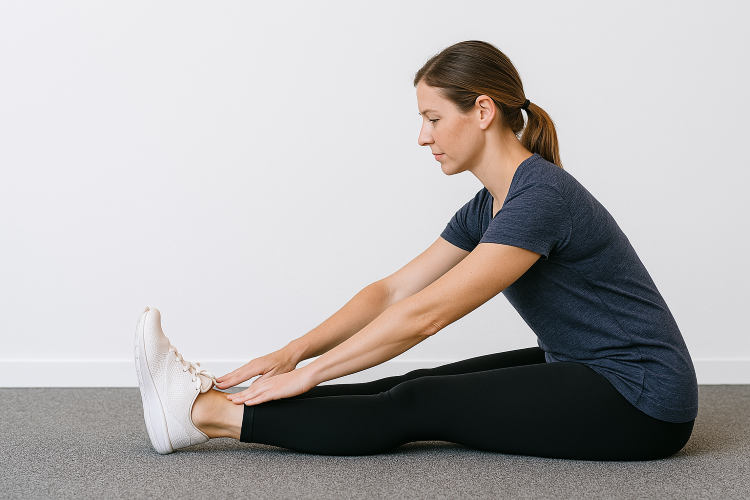
Another great option is sitting on the floor with both legs extended in front of you. Gently lean forward, reaching for your toes or shins. This seated position allows for a deeper stretch as you relax into it.
The lying hamstring stretch adds a bit more intensity. Lie flat on your back and lift one leg toward the ceiling, holding onto it gently with both hands to deepen the stretch.
Try the wall hamstring stretch next by placing one foot up against a wall while lying down on your back. Keep that leg straight and let gravity do its work.
Incorporate dynamic stretching with walking toe touches. Step forward and reach down to touch each toe alternately as you walk—perfect for warming up before workouts!
Tips for Proper Stretching Technique
Proper stretching technique is crucial for maximizing benefits and minimizing injury. Start by warming up your muscles with light activity like walking or jogging for five to ten minutes.
When you stretch, maintain a steady breath. Inhale deeply before each stretch and exhale as you go deeper into it. This helps release tension in the body.
Focus on alignment during each stretch. Keep your back straight and avoid hunching over. Good posture ensures that you’re targeting the right muscle groups effectively.
Hold each stretch for 15 to 30 seconds, but never force it beyond comfort. If you feel sharp pain, ease off immediately.
Listen to your body; flexibility varies from person to person. Consistency is key, so incorporate these stretches regularly without rushing through them to see lasting improvements in hamstring flexibility.
Incorporating Hamstring Stretches into Your Fitness Routine
Integrating hamstring stretches into your fitness routine is a game-changer. It enhances performance and prevents injuries, making every workout more effective.
Start by dedicating a few minutes to stretching before and after your sessions. This simple addition can significantly improve your flexibility over time.
Consider pairing hamstring stretches with other lower body exercises. For example, do a stretch between sets of squats or lunges. This keeps the blood flowing while increasing mobility.
It’s also beneficial to create a routine that includes both dynamic and static stretches. Dynamic movements warm up your muscles, while static holds post-workout help maintain lengthened fibers.
Listen to your body during these practices. Adjust intensity based on how you feel each day, ensuring you don’t push beyond limits. Consistency is key—make it part of your regular regimen for lasting results in flexibility and comfort during movement.
Conclusion
Unlocking your flexibility begins with understanding the role of hamstring stretches for beginners. Embracing these stretches can significantly enhance your overall mobility and comfort, allowing you to enjoy physical activities without discomfort.
Hamstring flexibility is crucial not only for athletes but also for anyone looking to improve their daily movement patterns. Regular stretching routines help alleviate tightness and prevent injuries, making them a vital component of any fitness regimen.
Incorporating essential hamstring stretches into your routine can lead to numerous benefits. From improved athletic performance to reducing muscle tension, these simple exercises have far-reaching positive effects on both body and mind.
Recognizing common causes of tight hamstrings helps in addressing the issue effectively. Whether it’s prolonged sitting or improper warm-up practices, understanding these factors will motivate you to prioritize regular stretching sessions.
The suggested five essential hamstring stretches offer a practical starting point for beginners eager to enhance their flexibility journey. Each stretch targets different areas within the muscle group, ensuring a comprehensive approach that encourages growth and resilience.
Proper technique during stretching cannot be overlooked; it ensures safety while maximizing effectiveness. Pay attention to posture, breathing, and duration as you practice each stretch.
As you begin incorporating hamstring stretches into your fitness routine, consistency will be key. Set aside dedicated time each week specifically focused on improving this area of flexibility—your body will thank you!
Embrace this journey toward greater flexibility with enthusiasm and patience; soon you’ll notice significant improvements in how you move through life’s daily activities.
