
Calisthenics for beginners is one of the simplest ways to develop strength, mobility, balance, and body control without depending on a traditional gym. Instead of using machines or heavy weights, calisthenics primarily uses your own body weight as resistance. Exercises such as squats, push-ups, lunges, planks, and assisted pull-ups can create an effective foundation for a stronger and more capable body.
Starting can feel challenging because many advanced calisthenics movements look extremely difficult. However, beginners do not need to perform handstands, muscle-ups, or advanced holds on their first day. The key is to master basic movements, develop proper technique, gradually increase difficulty, and give your body enough time to adapt. With consistent practice, even simple exercises can produce impressive results.
What Is Calisthenics, and Why Is It Good for Beginners?
Calisthenics is a form of physical training that relies mainly on body-weight movements to improve muscular strength, coordination, flexibility, balance, and endurance. Unlike conventional resistance training, many exercises require little or no equipment. Your body becomes the primary training tool, making this approach convenient for home workouts, outdoor training, or gym sessions.
One of the biggest advantages is accessibility. A beginner can start with simple movements and modify them according to their current ability. For example, someone who cannot perform a standard push-up can begin with wall push-ups or incline push-ups. As strength improves, the exercise can gradually become more demanding. This progression makes calisthenics suitable for people at different fitness levels.
How Should Beginners Start Calisthenics?
The best way to begin is by focusing on fundamental movement patterns instead of attempting advanced skills immediately. Your first goal should be learning how to control your body while maintaining good posture and a steady range of motion. Quality repetitions are much more valuable than rushing through a large number of repetitions with poor technique.
Start with movements that train the major muscle groups. Squats develop the lower body, push-up variations train the chest and arms, rows strengthen the back, lunges challenge the legs, and planks develop core stability. Training these patterns regularly gives you the foundation needed for more difficult exercises later.
Essential Calisthenics Exercises for Beginners
A beginner routine does not need dozens of exercises. A small collection of fundamental movements can train your entire body effectively when performed consistently. Bodyweight squats are an excellent starting point because they teach lower-body control while working the thighs, hips, and glutes.
Push-up variations are another important movement. Beginners can use a wall, countertop, or sturdy elevated surface to reduce the difficulty. Once the incline version becomes comfortable, gradually move toward lower surfaces and eventually standard push-ups. For pulling strength, assisted rows or resistance-band-assisted pull-ups can help build the muscles required for unassisted pulling movements.
Lunges provide another useful lower-body exercise because they challenge strength, balance, and coordination at the same time. Planks and dead-bug variations can help beginners learn how to stabilize the trunk. Together, these exercises create a balanced foundation without requiring complicated equipment.
How to Build Your First Calisthenics Routine
A beginner-friendly routine should be simple enough to repeat consistently. Training two or three times per week gives your body opportunities to practice the movements while allowing adequate recovery between sessions. You do not need to train for hours. A focused session of roughly 30 to 45 minutes can be sufficient for developing a strong foundation.
Begin each session with a short warm-up involving gentle movement and dynamic mobility. Follow the warm-up with your main exercises, performing controlled repetitions rather than rushing. Rest between sets whenever necessary, especially if your muscles are becoming fatigued and your technique starts to deteriorate.
A simple starting session can include bodyweight squats, incline push-ups, reverse lunges, assisted rows, glute bridges, and planks. Perform a manageable number of repetitions or hold times for each movement. The objective during the first few weeks is not to reach exhaustion but to become comfortable with the exercises and gradually improve your performance.
Why Proper Form Matters in Calisthenics
Good form is one of the most important principles when learning bodyweight training. Because you are using your own body as resistance, poor positioning can make an exercise less effective and may place unnecessary stress on certain joints. Beginners should learn the movement pattern before worrying about performing large numbers of repetitions.
During a push-up, for example, maintaining a controlled body position is more important than quickly completing repetitions. During a squat, keep the movement controlled and work through a comfortable range of motion. During planks, avoid allowing the hips to sag or rise excessively. Small adjustments in technique can significantly change how an exercise feels and which muscles are working.
Recording yourself occasionally can also help you evaluate your technique. Comparing your movement with reliable instructional resources or receiving guidance from a qualified trainer can make learning easier. If an exercise causes sharp or unusual pain rather than normal muscular effort, stop and reassess the movement.
How to Progress as a Beginner
Progression is what turns basic calisthenics exercises into a long-term training system. You do not always need to perform more repetitions to make progress. Instead, you can increase the difficulty of an exercise, improve your range of motion, slow down the movement, add pauses, or move toward a more challenging variation.
For example, your push-up progression might begin with wall push-ups, continue to elevated push-ups, then knee or modified push-ups, and eventually progress to standard push-ups. Similarly, assisted squats can lead to regular squats, split squats, lunges, and more advanced single-leg variations.
Keep track of your workouts so you can recognize gradual improvements. Perhaps you perform eight controlled push-ups today and eventually reach twelve with the same technique. That is meaningful progress. Strength development takes time, so comparing your current ability with your previous performance is usually more productive than comparing yourself with advanced athletes online.
The Role of Core Strength in Calisthenics
A strong core is essential because many bodyweight movements require the torso to remain stable while the arms and legs move. Core training is therefore about much more than developing visible abdominal muscles. It helps you maintain control, transfer force, and stabilize your body during different exercises.
Beginners can develop core strength through planks, dead bugs, bird dogs, glute bridges, and controlled leg movements. These exercises teach you to brace the trunk without unnecessarily holding your breath or creating excessive tension.
As your core becomes stronger, you may find other exercises easier to perform. Push-ups can feel more stable, lunges can become more controlled, and pulling movements can improve because your torso is better able to maintain its position.
How Often Should Beginners Train?
Consistency is more important than training every day. For most beginners, two or three full-body sessions per week can provide enough practice without making recovery unnecessarily difficult. Rest days allow muscles and connective tissues to recover from training stress.
Your schedule should also consider sleep, nutrition, work, school, and other physical activities. A routine that fits your lifestyle is more valuable than an ambitious plan that becomes impossible to maintain. If you enjoy your workouts and can repeat them consistently, you are more likely to make long-term progress.
On non-training days, light walking or gentle mobility work can be useful if it feels comfortable. Recovery does not mean doing absolutely nothing; it means giving your body appropriate time and resources to adapt.
Nutrition and Recovery for Calisthenics Beginners
Training provides the stimulus for improvement, but recovery helps your body adapt to that stimulus. A balanced diet containing adequate protein, carbohydrates, healthy fats, fruits, vegetables, and fluids can support an active lifestyle. You do not need an elaborate supplement routine to begin calisthenics.
Protein is particularly useful because it supplies amino acids needed for muscle repair and maintenance. Good dietary sources include eggs, dairy products, fish, poultry, beans, lentils, tofu, and other protein-rich foods. Carbohydrates can provide useful energy for training, while healthy fats contribute to overall nutritional balance.
Sleep is equally important. Consistently getting enough quality sleep supports physical recovery and helps you feel more prepared for your next workout. Beginners often make the mistake of focusing exclusively on exercise while ignoring the recovery habits that make consistent training possible.
Common Calisthenics Mistakes Beginners Should Avoid
One common mistake is trying to progress too quickly. Advanced movements can be exciting, but attempting them before developing the necessary strength and control can lead to frustration and poor technique. Build your foundation first and allow difficult skills to develop naturally.
Another mistake is training only the muscles that are easy to notice. Push-ups and abdominal exercises are popular, but a balanced program should also include lower-body and pulling movements. Training your body through different movement patterns can create better overall strength and reduce the weaknesses that develop from an unbalanced routine.
Skipping warm-ups, ignoring recovery, and constantly training to complete exhaustion can also make progress harder. Beginners should focus on sustainable training rather than proving how hard they can push themselves during every workout.
How to Stay Consistent With Calisthenics
Motivation can change from day to day, so building a repeatable routine is often more effective than relying on motivation alone. Choose specific training days and keep your sessions realistic. Even a shorter workout is useful when it allows you to maintain your habit.
Tracking your progress can make the process more rewarding. Record repetitions, exercise variations, hold times, and how each session feels. Small improvements become easier to recognize when you have written evidence of your progress.
Remember that calisthenics is a long-term skill-based form of training. Your first goal may simply be performing a few good push-ups. Later, you might work toward pull-ups, dips, handstands, or other challenging skills. Every advanced movement is built from simpler abilities developed over time.
When Should You Move to Advanced Calisthenics?
There is no universal date when a beginner should start advanced exercises. Progress depends on your strength, mobility, coordination, training history, and ability to perform foundational movements safely. Instead of following a specific calendar, use your performance as a guide.
When basic movements feel controlled and repeatable, you can gradually introduce harder variations. For example, stronger push-ups may prepare you for decline push-ups, pike push-ups, or other pressing variations. Improved pulling strength can eventually help you work toward unassisted pull-ups.
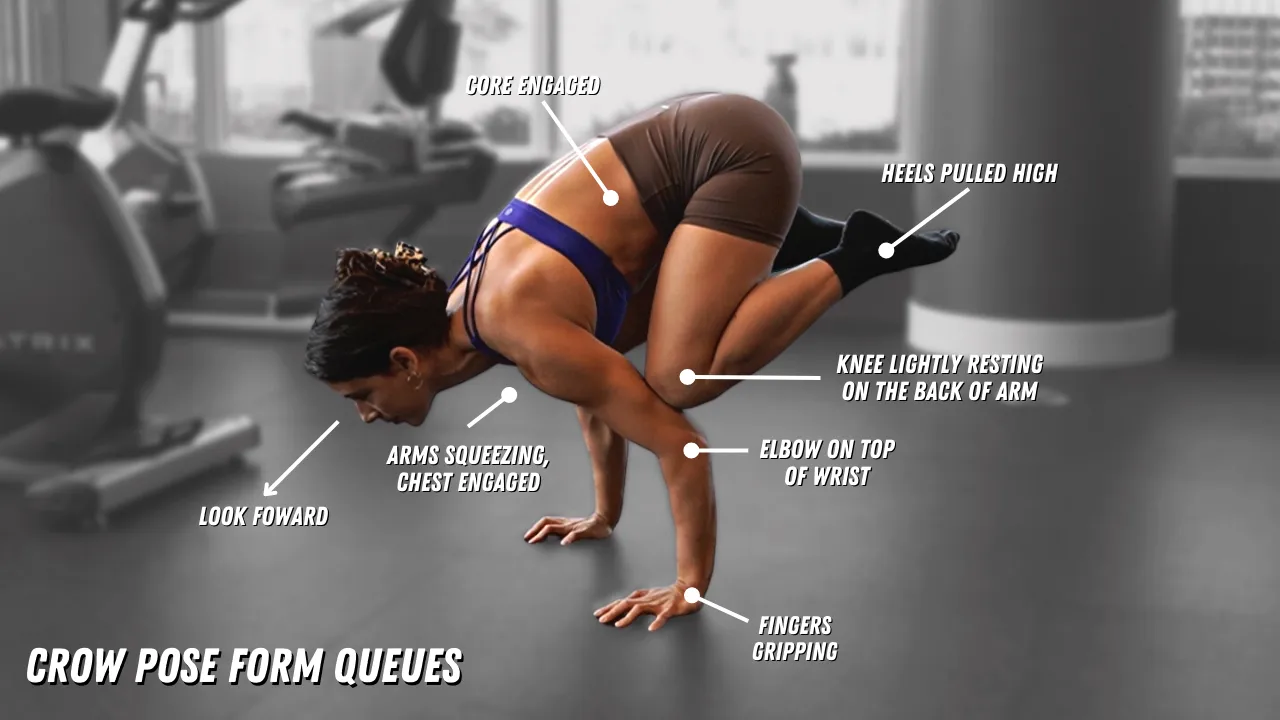
Advanced calisthenics should remain a progression rather than a race. Skills such as muscle-ups, handstands, levers, and planche variations require significant strength and technical control. Building the necessary foundations patiently can make these goals more realistic and sustainable.
Conclusion
Calisthenics for beginners provides a practical way to develop strength, coordination, mobility, and body control using simple movements. You do not need expensive equipment or complicated training programs to get started. Basic exercises such as squats, push-ups, lunges, rows, glute bridges, and planks can create an excellent foundation when performed with proper technique.
The most important ingredients are consistency, gradual progression, good form, and adequate recovery. Start at a level you can control, record your progress, and increase difficulty when your body is ready. With patience and regular practice, beginner movements can eventually lead to impressive bodyweight skills and a stronger, more capable body.
FAQs About Calisthenics for Beginners
Is Calisthenics Good for Complete Beginners?
Yes. Calisthenics can be adapted to almost any starting fitness level. Beginners can modify exercises by changing the angle, range of motion, or level of assistance.
Can I Do Calisthenics at Home?
Absolutely. Many foundational exercises require no equipment at all. A small amount of floor space is enough to begin, although a pull-up bar or resistance bands can expand your exercise options later.
How Many Days a Week Should I Do Calisthenics?
Two or three full-body sessions per week can be a practical starting point. As your conditioning improves, your schedule can be adjusted according to your goals and recovery.
Can Calisthenics Build Muscle?
Yes. Bodyweight exercises can stimulate muscle growth when they provide sufficient resistance and are progressed over time. More difficult variations can continue challenging your muscles as you become stronger.
How Long Does It Take to See Results?
Results vary based on training consistency, nutrition, sleep, starting fitness level, and individual differences. Many beginners notice improvements in strength and coordination before major visual changes occur.
Do I Need Equipment to Start?
No. You can begin with exercises such as squats, lunges, push-up variations, glute bridges, and planks. Equipment can be added later when you want more exercise variety.
Is Calisthenics Better Than Weight Training?
Neither approach is automatically better for everyone. Calisthenics is excellent for body control and convenient strength training, while weights make it easier to precisely increase resistance. Many people can benefit from combining both methods.
What Is the Best First Goal for a Beginner?
Focus on mastering fundamental movements with consistent technique. Building a strong foundation is more valuable than rushing toward advanced skills such as muscle-ups or handstands.
