

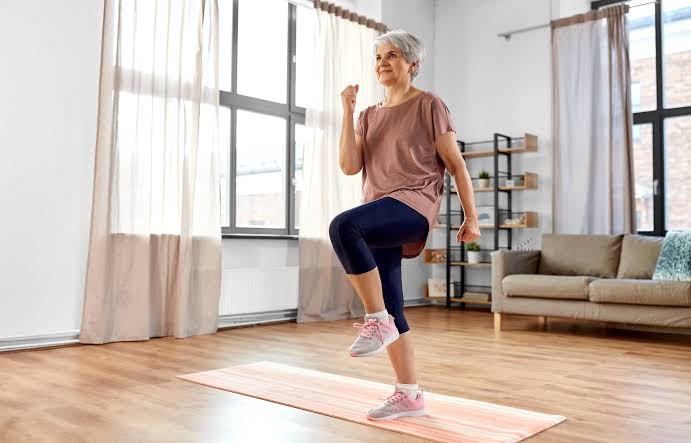
Staying physically active becomes increasingly important with age, but exercise does not always require a gym, expensive equipment, or complicated workout routines. Easy daily standing exercises for seniors can provide a practical way to keep the body moving while supporting strength, balance, flexibility, and everyday mobility. Many of these movements can be performed at home using a sturdy chair, countertop, or wall for support.
For older adults, the goal should not be to exercise as hard as possible. Instead, consistent and controlled movement can help maintain independence and make everyday activities feel easier. A simple standing routine can be adapted to different fitness levels and completed in a few minutes or expanded into a longer daily session.
Why Easy Daily Standing Exercises for Seniors Matter
Regular physical activity can help older adults maintain muscle strength and functional movement. Simple standing exercises can target the legs, hips, arms, shoulders, and core without requiring complicated equipment. They can also encourage seniors to spend less time sitting throughout the day.
Standing movements may be especially useful for practicing the types of actions used in everyday life. Reaching, stepping, bending slightly, lifting the heels, and shifting body weight are all movements that can relate to normal daily activities. When performed carefully, these exercises can become a convenient part of a senior’s home routine.
Another important advantage is convenience. There is no need to drive to a fitness center or spend a long time preparing for a workout. A few minutes of movement in the morning, afternoon, or evening can make physical activity easier to maintain as a daily habit.
How Seniors Can Exercise Safely at Home
Safety should come before intensity. Seniors should choose a clear area with enough room to move and remove loose rugs, clutter, electrical cords, or other objects that could create a tripping hazard. A sturdy countertop, heavy table, or stable chair can provide support when needed. Avoid using lightweight furniture that may slide or tip.
Movements should be slow and controlled, especially when trying a new exercise. Breathing normally is also important rather than holding the breath during effort. Anyone with significant balance concerns, recent injuries, or medical conditions should speak with a healthcare professional about what types and levels of exercise are appropriate for them.
Easy Standing March for Gentle Cardio
A standing march is one of the simplest ways to introduce more movement into the day. Stand upright while holding a sturdy support if necessary. Slowly lift one knee a comfortable distance, lower it, and then lift the opposite knee. Continue alternating sides at a controlled pace.
The movement can be performed slowly for balance practice or slightly faster for a gentle cardiovascular challenge. Seniors who are less confident on their feet can keep one or both hands near a stable support. The objective is controlled movement rather than lifting the knees as high as possible.
A short marching session can also be used as a warm-up before other exercises. Start with a comfortable duration and gradually increase the time as the movement becomes easier. If dizziness, unusual shortness of breath, chest discomfort, or significant pain occurs, stop exercising and seek appropriate medical advice.
Supported Chair Squats for Leg Strength
Standing up from a chair is an everyday movement, which makes supported chair squats a useful functional exercise. Place a sturdy chair behind you and stand with your feet approximately hip-width apart. Slowly bend your knees and hips as if you were going to sit down, then press through your feet to return to standing.
The chair should remain stable and should not have wheels. Seniors can use their hands for additional support if necessary. The movement does not need to be deep. A small, comfortable range of motion can still provide useful practice while allowing the person to maintain control.
Chair squats primarily involve the muscles of the legs and hips. Stronger lower-body muscles can support everyday activities such as standing from a chair, getting out of bed, and moving around the home. Focus on smooth repetitions instead of speed.
Heel Raises for Stronger Lower Legs
Heel raises are a simple standing exercise that can be performed beside a countertop or sturdy chair. Begin with both feet flat on the floor and hold the support lightly. Slowly raise both heels so you are standing on the balls of your feet, pause briefly, and then lower your heels back down.
This movement targets the calf muscles and encourages controlled movement through the ankles. Strong and mobile lower legs can contribute to comfortable walking and other everyday activities. Seniors can start with a small number of repetitions and increase gradually as their confidence improves.
Balance is an important consideration during heel raises. If standing on the toes feels unstable, use a stronger support and perform the movement slowly. There is no benefit to rushing through the exercise or lifting the heels higher than feels comfortable.
Standing Side Leg Raises for Hip Stability
Standing side leg raises are another accessible exercise for older adults. Stand beside a sturdy chair or countertop and hold it with one hand. Keeping the torso upright, slowly move one leg out to the side without leaning heavily in the opposite direction. Return the leg to its starting position and repeat before switching sides.
This movement works muscles around the hips and outer legs. These muscles contribute to stability during walking and side-to-side movement. Keeping the movement controlled can also provide an opportunity to practice maintaining an upright posture.
Avoid swinging the leg or turning the entire body while performing the exercise. The leg only needs to move a comfortable distance. If balance is limited, keep the supporting hand firmly connected to a stable surface and focus on quality rather than range.
Standing Knee Lifts for Mobility and Coordination
Standing knee lifts can add variety to a senior-friendly home routine. Stand tall while holding a stable support if needed. Lift one knee toward the front of the body, lower it carefully, and repeat on the other side. The knees do not need to reach a particular height.
This exercise encourages movement through the hips while also challenging coordination. It can be particularly useful as part of a warm-up or gentle movement session. Seniors can perform alternating knee lifts slowly, concentrating on maintaining good posture.
For additional stability, the exercise can be performed next to a countertop. Keep the supporting leg slightly relaxed rather than locking the knee. As balance and confidence improve, some people may be able to perform the movement with lighter support.
Wall Push-Ups for Upper-Body Strength
Traditional floor push-ups may be too demanding for some older adults, but wall push-ups offer a standing alternative. Face a wall and place your hands against it around chest height. Walk your feet slightly backward, keeping your body in a comfortable straight position.
Slowly bend your elbows to bring your upper body toward the wall. Then press through your hands to return to the starting position. Keep the movement controlled and avoid allowing the elbows to flare excessively to the sides.
Wall push-ups can strengthen muscles in the chest, shoulders, and arms while requiring relatively little space. They are also easy to modify by changing the distance between the feet and wall. The farther the feet are from the wall, the more challenging the movement generally becomes.
Standing Arm Raises for Shoulder Mobility
Standing arm raises can help seniors incorporate gentle upper-body movement into their daily routine. Stand comfortably with the arms resting at the sides. Slowly raise the arms forward or out toward the sides as far as feels comfortable, then lower them with control.
The movement should never require forcing the shoulders into a painful position. Seniors with limited shoulder mobility can use a smaller range of motion. The goal is comfortable movement rather than trying to reach a particular height.
Light household objects should only be used as resistance if they can be handled safely. For many beginners, bodyweight alone is enough to practice movement and coordination. Keeping the shoulders relaxed can make the exercise more comfortable.
Standing Calf and Leg Stretch
Flexibility work can be included after strengthening movements or during a separate mobility session. Stand facing a sturdy support and place one foot slightly behind the other. Keep the rear heel comfortably down while gently shifting the body forward until a mild stretch is felt through the lower leg.
A stretch should feel gentle rather than painful. Avoid bouncing or forcing the body into a deeper position. Hold the position comfortably while breathing normally, then return to the starting stance and switch legs.
Regular gentle stretching can complement strength and balance exercises. Maintaining comfortable movement in the legs and ankles may make everyday activities feel less restricted. Seniors should always respect their current range of motion rather than comparing themselves with someone else.
A Simple Daily Standing Exercise Routine
A practical routine can combine several movements without becoming overwhelming. Begin with a few minutes of gentle marching to warm up the body. Follow it with supported chair squats, heel raises, side leg raises, knee lifts, wall push-ups, and comfortable arm raises.
There is no requirement to perform a large number of repetitions. Beginners can start with a small amount of each movement and take rest periods whenever necessary. The routine should feel manageable enough that it can be repeated consistently rather than leaving the person exhausted.
As strength and confidence improve, the duration or number of repetitions can be increased gradually. Another useful approach is to divide movement throughout the day. A few minutes in the morning and another short session later can be more practical than trying to complete everything at once.
How to Improve Balance During Standing Exercises
Balance can change with age, so exercises should be approached progressively. Begin with a sturdy support nearby and keep your movements slow. Exercises such as marching, heel raises, and side leg raises can provide opportunities to practice controlled weight shifting.
It is also important to avoid distractions while exercising. Watching television, using a phone, or exercising in a crowded area can reduce attention. Choose a well-lit space where the floor is clear and comfortable footwear can be worn.
Balance exercises should never become a test of bravery. If an exercise feels unstable, use more support or modify the movement. Building confidence gradually is generally more useful than attempting advanced variations too soon.
Making Daily Movement a Long-Term Habit
Consistency is one of the most important parts of an active lifestyle. Seniors do not need to complete an intense workout every day to make movement a regular part of life. Creating a simple routine that fits naturally into the day can make exercise easier to maintain.
Some people may prefer exercising after breakfast, while others may find an afternoon or early evening routine more convenient. Linking exercise with an existing daily habit can make it easier to remember. Even on lower-energy days, gentle movement can help maintain the habit without demanding a difficult workout.
Keeping expectations realistic is also important. Progress may appear as improved confidence when standing, easier movement around the house, or greater comfort during everyday tasks. Small improvements can provide meaningful motivation to continue.
Common Mistakes Seniors Should Avoid
One common mistake is trying to do too much too quickly. Increasing repetitions, speed, or difficulty before the body is ready can make exercise unnecessarily uncomfortable. A gradual approach gives seniors more opportunity to learn proper movement patterns and recognize their limits.
Another mistake is ignoring pain or unusual symptoms. Normal exercise effort can feel different from sharp, severe, or concerning pain. Seniors should stop an exercise that causes significant discomfort and seek professional guidance when appropriate.
Poor support choices can also create unnecessary risk. A rolling chair or unstable table is not a suitable balance aid. Always select a strong, fixed surface that can support the person safely.
The Benefits of Staying Active at Home
A regular home exercise routine can support several aspects of healthy aging. Strength exercises help maintain the muscles needed for daily activities, while mobility movements encourage comfortable movement through the joints. Gentle cardiovascular activity can also contribute to overall physical fitness.
Exercise can also provide a sense of routine and accomplishment. Completing a short movement session gives seniors an opportunity to stay engaged with their physical well-being without needing specialized equipment. The simplicity of home exercise can remove some of the barriers associated with traditional workouts.
The most important objective is sustainable activity. A routine that is safe, comfortable, and enjoyable is more likely to become a lasting habit. Seniors should focus on steady progress rather than trying to achieve perfect workouts.
Conclusion
Easy daily standing exercises for seniors can be a convenient way to stay active without leaving home. Simple movements such as marching, chair squats, heel raises, side leg raises, knee lifts, wall push-ups, and arm raises can support strength, mobility, coordination, and everyday function.
The key is to start comfortably, use stable support when needed, and progress gradually. Exercise should complement a healthy lifestyle rather than become a source of unnecessary strain. With consistency and appropriate safety measures, a few minutes of movement each day can become a valuable part of an active senior lifestyle.
FAQs
Are standing exercises good for seniors?
Yes. Standing exercises can help older adults work on strength, mobility, coordination, and functional movement. They can also be modified with a sturdy support for additional stability.
How often should seniors do standing exercises?
The appropriate schedule depends on individual health and fitness levels. Many seniors can benefit from regular movement throughout the week, but the intensity and duration should be adjusted to personal needs.
Can seniors exercise at home without equipment?
Yes. Many beginner-friendly movements use body weight only. A sturdy chair, countertop, or wall can provide support when necessary.
What is a good standing exercise for balance?
Supported marching, heel raises, and side leg raises can help practice controlled weight shifting. Seniors with balance concerns should keep a stable support nearby.
Can standing exercises strengthen the legs?
Yes. Movements such as supported chair squats, heel raises, and standing leg raises can engage different muscles in the lower body.
Should seniors exercise if they have joint pain?
Anyone experiencing persistent or significant joint pain should discuss appropriate activity with a healthcare professional. Exercises may need to be modified to remain comfortable and suitable.
How long should a senior exercise each day?
There is no single duration that works for everyone. Beginners can start with short sessions and gradually build activity according to their abilities and professional guidance.
Can standing exercises help seniors stay independent?
Regular physical activity can support strength, mobility, and functional capacity, which are important for everyday tasks. A consistent, appropriately designed routine can therefore be part of an overall strategy for maintaining independence.
