

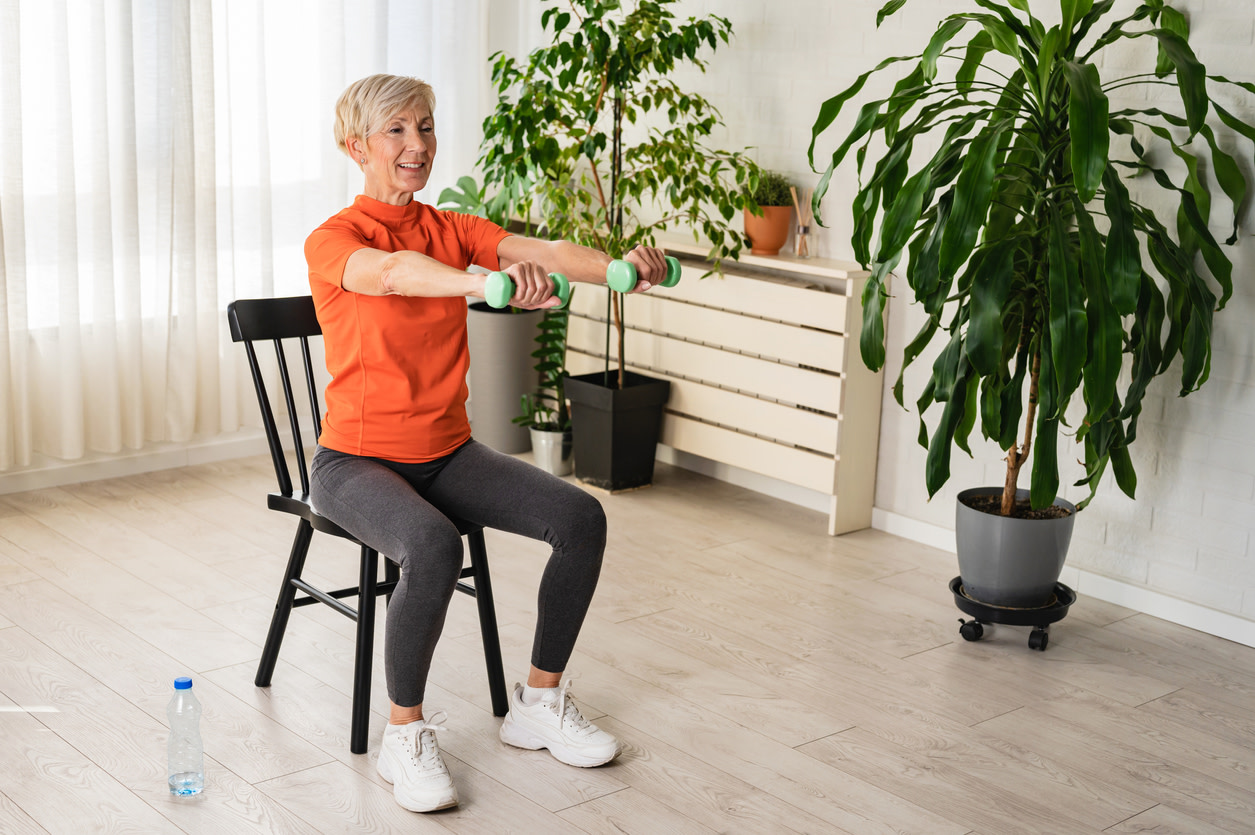
Aging does not mean giving up on movement or exercise. In fact, staying physically active can help older adults maintain independence, improve flexibility, support balance, and make everyday activities easier. However, traditional workouts can sometimes feel uncomfortable for people dealing with stiffness, limited mobility, or sensitive joints. A Chair Workout for Seniors offers a practical alternative because it allows older adults to exercise while sitting or using a sturdy chair for support.
Chair-based exercises can be adapted to different fitness levels and abilities. Simple movements such as seated marches, leg extensions, arm raises, ankle circles, and gentle stretches can help keep the body active without requiring complicated equipment. The goal is not to exercise as hard as possible but to move comfortably, consistently, and safely.
Why Chair Exercises Are Helpful for Older Adults
Chair exercises provide a convenient way to stay active while reducing the need for standing, jumping, or high-impact movements. A strong, stable chair can provide support during exercise, which may make movement feel more comfortable for seniors who are nervous about balance. Seated exercises can also allow people with limited mobility to participate in physical activity.
Regular movement may help maintain muscle strength and flexibility as people age. Stronger muscles can make routine activities such as getting out of a chair, climbing stairs, carrying groceries, or walking around the home easier. Gentle exercise may also help reduce the effects of prolonged sitting by encouraging movement in the hips, knees, ankles, shoulders, and spine.
How to Prepare for a Safe Chair Workout
Before beginning, choose a sturdy chair that does not have wheels and can remain firmly on the floor. A chair with a supportive back can be particularly useful for beginners. Wear comfortable clothing and shoes that provide adequate grip, especially if you will occasionally stand during the routine.
Start slowly rather than immediately performing a large number of repetitions. Spend several minutes warming up with gentle movements such as shoulder rolls, ankle circles, and easy seated marching. During exercise, maintain comfortable breathing and avoid holding your breath. If a movement causes sharp pain, stop rather than trying to push through it.
Seated Marching for Gentle Cardio
Seated marching is one of the simplest ways to add movement to a chair-based routine. Sit upright with both feet on the floor and gently lift one knee before lowering it. Alternate legs at a comfortable pace. Your hands can rest beside you or move naturally with the legs.
As your body becomes accustomed to the movement, you can gradually increase the pace or duration. The exercise encourages hip and leg movement while providing a simple way to raise your activity level without requiring continuous standing. If lifting the knees high feels uncomfortable, use a smaller range of motion.
Seated Leg Extensions for Stronger Legs
Seated leg extensions focus on the muscles at the front of the thighs. Sit toward the middle or front of a stable chair while keeping your back comfortably upright. Slowly straighten one leg until it is close to parallel with the floor, but do not lock your knee. Lower it with control and repeat on the opposite side.
The movement should remain smooth and comfortable. There is no need to lift the leg extremely high. Controlled repetitions can be more useful than fast movements because they allow you to focus on proper form. If extending the knee fully feels uncomfortable, use a smaller range of motion.
Ankle and Foot Exercises for Mobility
The ankles and feet play an important role in walking and balance, yet they can easily become stiff when a person spends long periods sitting. Gentle ankle movements can encourage mobility without placing significant demands on the rest of the body.
While seated, slowly lift one foot slightly from the floor and make small circles with the ankle. Change directions after several repetitions and then switch feet. You can also point the toes forward and gently pull them back toward you. These movements should feel gentle rather than forced.
Seated Arm Raises for Upper-Body Strength
Chair workouts do not have to focus only on the legs. Seated arm raises can provide gentle activity for the shoulders and upper body. Sit comfortably with your feet supported on the floor and begin with your arms resting beside you.
Slowly raise your arms toward shoulder height and then lower them with control. Keep the movement within a comfortable range. If raising both arms feels difficult, alternate them one at a time. Light household objects or small hand weights may eventually be incorporated, but beginners can perform the exercise without added resistance.
Seated Torso Rotation for Gentle Flexibility
A controlled seated torso rotation can help introduce gentle movement through the upper body. Sit upright with your feet firmly supported and your hands resting comfortably on your thighs or crossed over your chest.
Slowly turn your upper body toward one side without forcing the movement. Return to the center and repeat toward the other side. Keep your hips facing forward and avoid making quick twisting motions. The purpose is gentle mobility, not achieving the greatest possible rotation.
Chair-Supported Sit-to-Stand Exercise
For seniors who can safely stand, the sit-to-stand exercise can be an effective functional movement. It closely resembles an activity performed throughout daily life: getting up from a chair. Position the chair securely against a wall if necessary and make sure the floor is not slippery.
Sit with your feet positioned comfortably beneath you. Lean forward slightly from the hips and use your legs to rise slowly. Pause briefly when standing, then carefully lower yourself back toward the chair. Beginners can use their hands for additional support if needed. Anyone with significant balance problems should consider having appropriate supervision and professional guidance before performing standing exercises.
Gentle Chair Stretches
Flexibility work can complement strengthening exercises. Gentle stretches can be performed between movements or near the end of the workout. The key is to avoid bouncing or forcing a joint beyond a comfortable range.
A seated hamstring stretch, for example, can be performed by extending one leg forward while keeping the heel supported and gently leaning forward from the hips. You should feel a mild stretch rather than sharp pain. Shoulder stretches, chest-opening movements, and gentle neck mobility can also be included when comfortable.
A Simple Chair Workout Routine for Seniors
A beginner-friendly routine can combine several movements without becoming overwhelming. Begin with a few minutes of seated marching and ankle circles to warm up. Continue with seated leg extensions, arm raises, and gentle torso rotations. If appropriate for your abilities, finish the active portion with several controlled sit-to-stand repetitions.
The entire session does not need to be long to be useful. Beginners may start with approximately 10 to 15 minutes and gradually increase their exercise time as their comfort and endurance improve. Consistency matters more than completing a demanding workout. A short routine performed regularly may be easier to maintain than an intense session that leaves you exhausted or uncomfortable.
How to Exercise Without Increasing Joint Pain
The purpose of low-impact exercise is to encourage movement without unnecessarily stressing sensitive joints. One important strategy is to work within a comfortable range of motion. You do not need to force a knee, hip, shoulder, or ankle into a position that causes discomfort.
Controlled movements are also important. Avoid bouncing, sudden twisting, or rapid repetitions. If an exercise repeatedly causes pain, modify it or replace it with a more comfortable movement. Seniors with persistent or significant joint pain should speak with a qualified healthcare professional or physical therapist about appropriate exercise choices.
Common Mistakes Seniors Should Avoid
One common mistake is trying to progress too quickly. Someone who has been inactive for a long time may need to begin with very gentle movements and short sessions. Increasing exercise gradually can make it easier to identify what the body tolerates comfortably.
Another mistake is using an unstable chair. Avoid chairs with wheels, loose legs, or poor stability. Exercising in an unsafe environment can increase the risk of falls. Proper posture also matters, but it should not mean forcing the back into an unnatural position. Aim for comfortable upright alignment and relaxed breathing.
How Often Should Seniors Do Chair Exercises?
The ideal frequency depends on a person’s health, mobility, fitness level, and other activities. A person who is new to exercise may begin with short sessions several times per week. As the body adapts, exercise can gradually become part of a regular weekly routine.
Recovery is also important. Exercise should complement daily life rather than make ordinary activities significantly harder. Combining chair exercises with appropriate walking, balance work, flexibility exercises, or other activities can provide variety when these activities are suitable for the individual.
Benefits Beyond Physical Fitness
The benefits of staying active can extend beyond muscles and joints. Regular physical activity can help seniors maintain confidence in their ability to move and perform everyday tasks. Having a simple routine can also create structure and encourage a more active lifestyle.
Exercise can become a social activity as well. Seniors may enjoy participating in supervised chair-exercise classes, community programs, or sessions with friends and family. Social interaction can make exercise more enjoyable and may encourage greater consistency.
When to Modify or Stop an Exercise
Not every exercise is appropriate for every senior. Existing health conditions, recent injuries, surgeries, balance difficulties, and persistent pain may affect which movements are suitable. Individual limitations should always be considered rather than assuming that one routine works for everyone.
Stop an exercise if you experience sharp or unusual pain, significant dizziness, severe shortness of breath, chest discomfort, or another concerning symptom. If you are uncertain about whether a particular exercise is appropriate, ask a healthcare professional or physical therapist for personalized guidance.
Conclusion
A Chair Workout for Seniors can make regular movement more accessible for older adults who prefer gentle, low-impact exercise. Seated marching, leg extensions, ankle movements, arm raises, torso rotations, and carefully performed sit-to-stands can support mobility and everyday strength without requiring a gym.
The most important goal is comfortable, consistent movement rather than intensity. Start slowly, use a stable chair, maintain controlled movements, and adjust exercises according to your abilities. With the right approach, chair-based exercise can become a practical part of a healthy and active lifestyle.
FAQs
Is a chair workout safe for seniors?
Chair exercises can be suitable for many older adults when performed correctly and adapted to individual abilities. People with medical concerns should seek professional advice before beginning a new exercise program.
Can chair exercises improve mobility?
Yes, gentle movements can help keep commonly stiff areas such as the ankles, hips, shoulders, and knees moving through comfortable ranges of motion.
Can seniors build strength while sitting?
Seated exercises can work several muscle groups. Progressively more challenging movements or appropriate resistance may be added when an individual can perform them safely.
How long should a senior chair workout last?
Beginners can start with short sessions of around 10 to 15 minutes and gradually increase the duration based on comfort, endurance, and individual recommendations.
Can chair exercises help with balance?
Some chair routines include movements that support leg and core strength, which are important components of physical function. Standing balance exercises should be performed only when appropriate and safely supervised if necessary.
Should seniors exercise if their joints hurt?
Gentle movement may be appropriate for some people with joint discomfort, but pain should not simply be ignored. Exercises should be modified to remain comfortable, and persistent or significant pain should be discussed with a healthcare professional.
Can I do chair exercises every day?
Some gentle mobility movements may be suitable for frequent practice, but the right schedule depends on the individual’s health, fitness, and recovery. A balanced routine should allow adequate recovery when needed.
What type of chair is best for senior exercises?
A sturdy chair with a stable base and no wheels is generally preferable. It should be placed on a firm, non-slip surface and provide enough support for the exercises being performed.
