

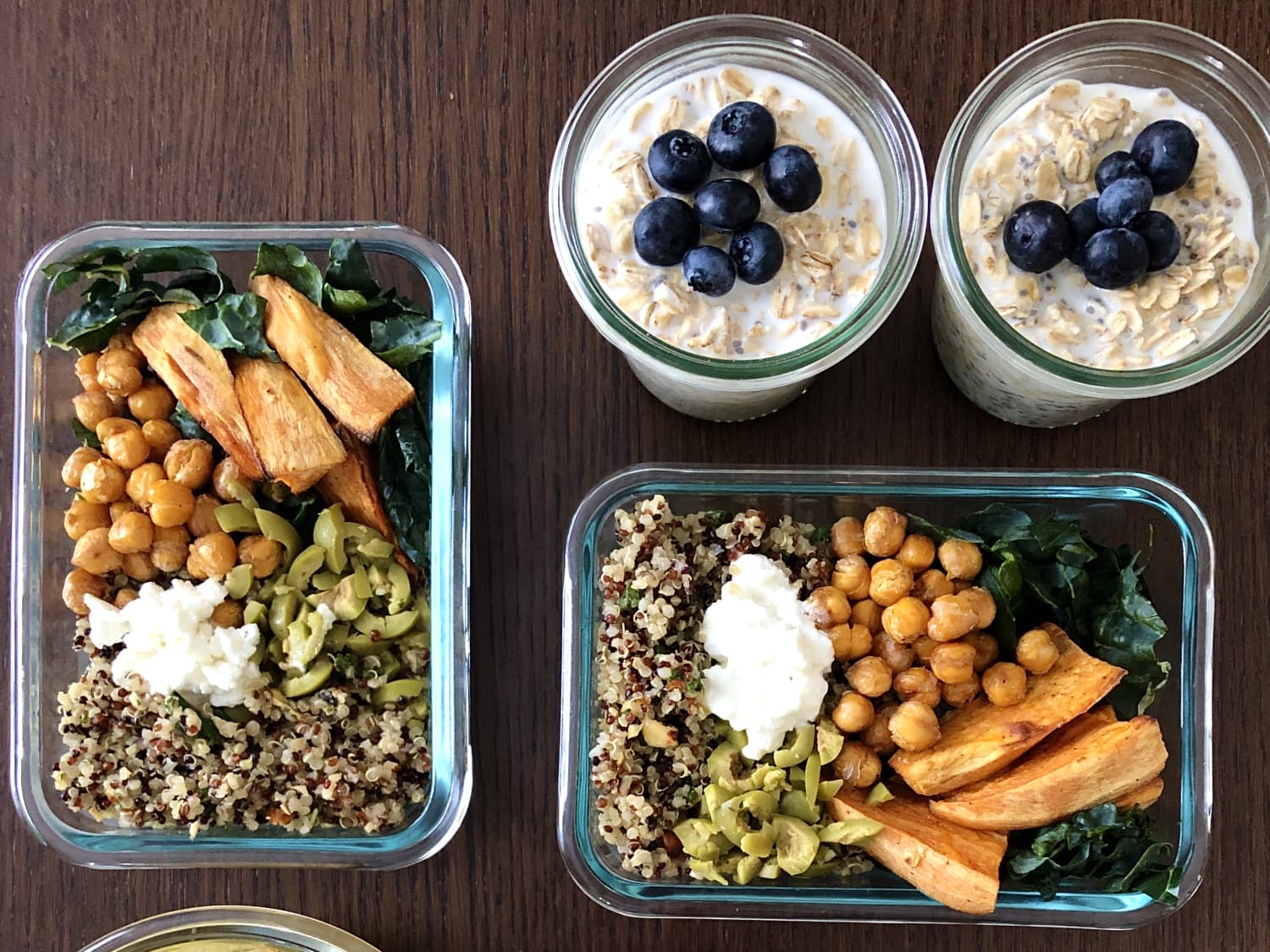
Healthy Meal Planning Made Easy: Prep Your Week in Under 1 Hour can completely change the way you approach food during a busy week. Instead of deciding what to eat every day, you can spend a short amount of time preparing nutritious ingredients and simple meals in advance. This approach saves time, reduces food waste, and makes it easier to maintain balanced eating habits.
Meal preparation does not have to mean cooking seven different dishes on Sunday. A smarter approach is to choose versatile ingredients that can be combined in several ways throughout the week. With a little planning, you can prepare proteins, vegetables, grains, and convenient snacks in less than an hour and create flexible meals that never feel repetitive.
Why Healthy Meal Planning Makes Life Easier
One of the biggest benefits of meal planning is that it removes daily decision-making. When nutritious food is already prepared, you are less likely to rely on fast food, takeout, or highly processed snacks when hunger strikes. Having a plan also makes grocery shopping easier because you know exactly which ingredients you need.
Meal preparation can also help you maintain more consistent portions and balanced meals. Instead of building a meal around whatever happens to be available, you can intentionally combine protein, carbohydrates, healthy fats, vegetables, and fruit. Over time, this simple habit can make healthy eating feel much more natural.
How to Plan Your Week in Just 10 Minutes
Start by looking at your upcoming week and identifying how many meals you realistically need to prepare. Consider work schedules, family activities, social plans, and days when you may have more time to cook. Avoid planning every meal if your schedule changes frequently; flexibility makes the system easier to maintain.
Next, choose two protein sources, two carbohydrate options, several vegetables, and a couple of healthy snack choices. Select ingredients that can be used in multiple meals. For example, roasted chicken can be served with rice and vegetables, added to a salad, or placed inside a whole-grain wrap.
Build a Simple Grocery List
A focused grocery list keeps shopping quick and prevents unnecessary purchases. Choose fresh vegetables, fruits, lean proteins, whole grains, dairy or suitable alternatives, and healthy fats. Frozen vegetables and fruits can also be useful because they are convenient, nutritious, and have a longer storage life.
Think about ingredients rather than complicated recipes. Buying spinach, eggs, chicken, oats, rice, berries, yogurt, and a few vegetables gives you enough variety to create breakfasts, lunches, dinners, and snacks. This ingredient-based approach is particularly useful when you have less than an hour for preparation.
The 60-Minute Meal Prep Method
Spend the first ten minutes washing vegetables, preparing containers, and starting foods that take the longest to cook. Put rice, quinoa, potatoes, or other grains on the stove while vegetables are being chopped. At the same time, preheat the oven if you plan to roast vegetables or cook several portions of protein.
Use the next thirty to forty minutes for cooking and assembly. Roast vegetables while preparing chicken, eggs, beans, or another protein source. Portion cooked ingredients into containers as they become ready rather than waiting until everything has cooled. Use the final ten minutes to prepare snacks, sauces, and refrigerator-friendly ingredients.
Choose Protein for Every Main Meal
Protein helps make meals satisfying and supports muscle maintenance and repair. Convenient options include chicken, turkey, eggs, fish, Greek yogurt, cottage cheese, beans, lentils, tofu, and other plant-based proteins. Preparing one or two protein sources in advance can make several meals easier to assemble.
You do not need the same protein at every meal. Prepare a few options and alternate them throughout the week. For example, cooked chicken can be used for lunch, while eggs can provide breakfast and beans can become part of a quick dinner bowl. Variety keeps your meals enjoyable without increasing preparation time.
Prepare Versatile Vegetables and Carbohydrates
Vegetables add vitamins, minerals, fiber, and color to your meals. Choose vegetables that can be roasted, steamed, eaten raw, or added to salads. Broccoli, carrots, peppers, spinach, cucumbers, tomatoes, and zucchini are easy choices that work well with many different meals.
Carbohydrates provide energy and can make meals more satisfying. Brown rice, oats, potatoes, quinoa, whole-grain pasta, and whole-grain bread are practical options. Preparing one or two carbohydrate sources ahead of time means you can create complete meals quickly instead of cooking from scratch every evening.
Make Breakfast Simple
Breakfast does not need to require extensive preparation. Overnight oats can be assembled in minutes using oats, milk or yogurt, fruit, and seeds. Hard-boiled eggs paired with whole-grain toast and fruit offer another simple combination. Greek yogurt with berries and oats can also provide a quick option for busy mornings.
Preparing breakfast in advance reduces the temptation to skip your first meal or choose less nutritious convenience foods. Store individual portions in the refrigerator so they are ready to grab when you are short on time. Rotating between two or three breakfast choices provides variety without creating additional work.
Create Quick Lunches and Dinner Bowls
Meal bowls are one of the easiest ways to combine prepared ingredients. Start with a carbohydrate such as rice or quinoa, add chicken, beans, tofu, or fish, and finish with vegetables. A simple dressing, salsa, yogurt sauce, or homemade seasoning can completely change the flavour.
Wraps and salads offer another flexible option. Prepared chicken or beans can be combined with vegetables and whole-grain wraps for a quick lunch. The same ingredients can become a large salad with a different dressing, allowing you to enjoy similar foods in different forms throughout the week.
Healthy Snacks That Require Little Preparation
Snacks can be prepared alongside your main meals. Fresh fruit, yogurt, nuts, seeds, boiled eggs, hummus, and chopped vegetables are convenient choices that require minimal cooking. Portioning snacks ahead of time can also make it easier to avoid mindless eating directly from large packages.
Keep a few shelf-stable options available for particularly busy days. Unsalted nuts, whole-grain crackers, canned tuna, and dried fruit can provide convenient alternatives when refrigerated food is unavailable. The goal is to make nutritious choices easy to access whenever hunger appears.
Smart Food Storage for the Week
Proper storage helps maintain food quality and reduces waste. Allow hot foods to cool appropriately before placing them in the refrigerator, and use clean, airtight containers for prepared meals. Labeling containers with dates can help you keep track of what should be eaten first.
Not every meal needs to remain refrigerated for the entire week. If you prepare several portions at once, consider freezing meals that will not be eaten within the recommended refrigerator storage period. Follow food-safety guidance for specific foods and discard anything that looks or smells spoiled.
How to Keep Meal Prep Interesting
Eating the same meal repeatedly can quickly become boring, so prepare components rather than complete meals whenever possible. Cook a basic protein, grain, and selection of vegetables, then combine them differently throughout the week. Seasoning and sauces can create completely different flavours from the same ingredients.
You can also change the style of your meals. Turn prepared chicken and vegetables into a salad one day, a wrap the next, and a rice bowl later in the week. This flexible method saves preparation time while giving you greater freedom over what you eat each day.
Conclusion
Healthy Meal Planning Made Easy: Prep Your Week in Under 1 Hour proves that nutritious eating does not require spending an entire weekend in the kitchen. By choosing versatile ingredients, preparing a few basic components, and storing them properly, you can create convenient meals for several days with surprisingly little effort.
The most successful meal plan is one you can maintain. Start with simple recipes, avoid preparing more food than you can realistically eat, and adjust your routine as your schedule changes. Once meal preparation becomes a weekly habit, healthy choices become easier, grocery shopping becomes more organized, and busy days become much less stressful.
FAQs
How can I meal prep in under one hour?
Choose simple ingredients, cook multiple foods simultaneously, and prepare versatile components rather than complicated individual recipes.
Is meal planning good for weight management?
It can help by making portions and food choices more intentional, but overall nutrition, activity, sleep, and individual needs also influence weight management.
What foods are best for meal prep?
Foods such as chicken, eggs, beans, rice, oats, vegetables, potatoes, yogurt, and fruit are versatile and can be used in many meals.
Can I meal prep without eating the same food every day?
Yes. Prepare individual ingredients and use different seasonings, sauces, wraps, salads, and bowls to create variety.
How many meals should I prepare at once?
Prepare enough for your schedule rather than trying to cook an entire week’s worth of every meal. Several breakfasts, lunches, or dinner components may be sufficient.
Are frozen vegetables suitable for meal planning?
Yes. Frozen vegetables can be convenient and nutritious, especially when fresh produce is difficult to store or use quickly.
How should I store prepared meals?
Use clean, airtight containers and refrigerate or freeze foods appropriately. Follow food-safety recommendations for storage times and temperatures.
Can beginners use this meal-planning method?
Absolutely. Starting with two or three simple meals and gradually expanding your preparation routine is often easier than trying to organize an entire week’s menu immediately.
