

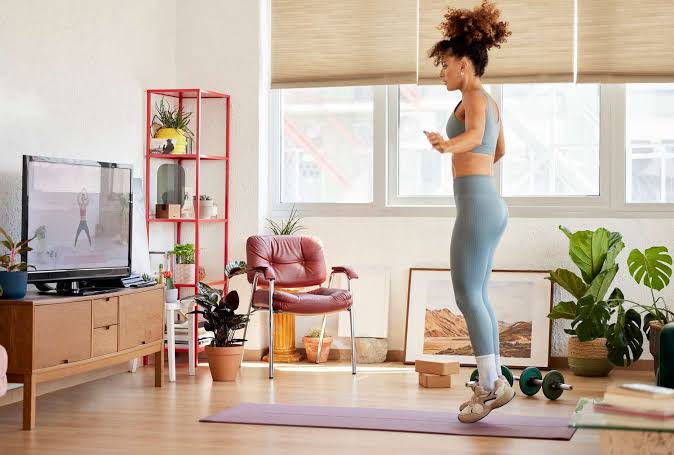
A Home Cardio Workout: No-Jumping Moves for Apartments is a practical way to stay active without disturbing neighbors or needing a large workout space. Traditional cardio exercises often include jumping, running, or other high-impact movements that can create noise and vibration. Fortunately, you can raise your heart rate and improve cardiovascular fitness with quiet, controlled exercises that work well in apartments.
Whether you live upstairs, have limited space, or simply prefer low-impact exercise, a no-jumping routine can provide an effective workout. Exercises such as marching, step touches, knee lifts, squats, and controlled mountain climbers can challenge your muscles while keeping your movements quiet. With consistency and proper technique, apartment-friendly cardio can become an enjoyable part of your weekly fitness routine.
Why Choose a Home Cardio Workout for Apartments
Working out at home saves time and removes many barriers associated with visiting a gym. You can exercise in your living room, bedroom, or another small area without traveling anywhere. A quiet routine also makes it easier to exercise early in the morning or later in the evening when jumping exercises may disturb people nearby.
No-jumping cardio can be especially useful for people who want less impact on their joints. Keeping at least one foot on the floor during many movements reduces landing forces while still allowing you to increase your heart rate. You can also adjust the pace according to your fitness level and gradually make the workout more challenging.
Benefits of No-Jumping Cardio Exercises
Low-impact cardio can improve cardiovascular endurance while supporting regular physical activity. When you perform continuous movements at a moderate or challenging pace, your heart and lungs work harder to deliver oxygen throughout your body. Over time, regular cardio can help improve stamina and make everyday activities feel easier.
Another advantage is that these exercises can train several muscle groups at once. Squats and knee lifts engage the legs and core, while arm movements involve the shoulders and upper body. Combining different movements creates a full-body session without requiring weights, machines, or large amounts of space.
Warm-Up Before Your Workout
A warm-up prepares your body for exercise by gradually increasing circulation and raising your body temperature. Begin with easy marching in place and gently swing your arms. Continue with shoulder rolls, hip rotations, ankle movements, and controlled knee lifts to prepare your major joints and muscles.
Spend around five minutes warming up before increasing your pace. Avoid sudden, forceful movements at the beginning of your session. A gradual warm-up can help you feel more comfortable and prepared while allowing you to concentrate on technique once the main workout begins.
Marching and Step-Touch Movements
Marching in place is one of the simplest ways to create quiet cardio at home. Lift one knee at a time while moving your arms naturally. To increase the challenge, raise your knees higher, move your arms more actively, or gradually increase your pace while keeping your feet controlled.
Step touches provide another apartment-friendly option. Step to one side, bring the opposite foot toward it, and then repeat in the other direction. Add gentle arm movements to increase upper-body involvement. These exercises are easy to modify and provide an excellent starting point for beginners.
Squats and Knee-Lift Combinations
Bodyweight squats can turn a simple cardio routine into a combination of cardiovascular and strength training. Stand with your feet around shoulder-width apart, lower your hips while keeping your chest lifted, and return to a standing position. Keep the movement controlled instead of dropping quickly to the floor.
You can increase the intensity by adding alternating knee lifts after each squat. This combination keeps you moving continuously while challenging your legs and core. Because your feet remain controlled on the floor, the exercise produces considerably less noise than jump squats or other explosive movements.
Low-Impact Mountain Climbers
Traditional mountain climbers can be fast and noisy, but a low-impact version works well in an apartment. Start in a strong plank position and slowly bring one knee toward your chest. Return it to the starting position before switching sides. Keep your movements smooth rather than jumping your feet forward and backward.
This variation works the shoulders, core, hips, and legs while increasing your heart rate. Maintain a stable upper body and avoid allowing your lower back to sag. If a floor-based exercise is uncomfortable, perform alternating knee drives while standing for an easier modification.
Standing Knee Drives and Punches
Standing knee drives are effective for raising your heart rate without jumping. Lift one knee toward your torso while keeping your posture upright, then alternate sides. Engaging your abdominal muscles as you lift each knee adds a core-training element to the movement.
Adding controlled punches can increase intensity and involve the upper body. Alternate punches at chest height while continuing your knee drives. Keep your movements controlled and avoid locking your elbows. This combination works particularly well in small spaces because it requires very little room.
Creating Your Apartment-Friendly Cardio Routine
A simple workout can combine marching, step touches, squats, knee drives, standing punches, and low-impact mountain climbers. Perform each movement for approximately 30 to 60 seconds before moving to the next exercise. Keep rest periods short when you feel comfortable, but take additional recovery time whenever you need it.
Beginners can start with one or two rounds and gradually increase the number of rounds as fitness improves. More experienced exercisers can increase the pace, extend work intervals, or combine movements into longer circuits. The goal is to create a sustainable routine that challenges you without sacrificing proper form.
How to Make No-Jumping Cardio More Challenging
You do not need jumping to increase workout intensity. One simple method is to increase your movement speed while maintaining control. You can also raise your knees higher, use larger arm movements, or extend the duration of each exercise. These adjustments increase the challenge without creating additional impact.
Another option is to reduce recovery periods gradually. For example, you might begin with 45 seconds of exercise followed by 30 seconds of rest and eventually move toward longer work periods. Progress slowly and listen to your body rather than trying to make every session extremely difficult.
Safety and Recovery Tips
Good technique should remain a priority throughout your workout. Keep your movements controlled, maintain comfortable posture, and avoid exercising through sharp or unusual pain. If you have an existing health concern or have been inactive for a long period, consider speaking with a qualified healthcare professional before starting a new exercise programme.
Recovery is also important when exercising regularly. Give your body enough time to rest between demanding sessions, stay hydrated, eat balanced meals, and get adequate sleep. Gentle walking and stretching on easier days can help you remain active without placing excessive stress on your body.
Conclusion
A Home Cardio Workout: No-Jumping Moves for Apartments can provide an effective and convenient way to improve cardiovascular fitness while keeping noise to a minimum. Marching, step touches, controlled squats, knee drives, standing punches, and low-impact mountain climbers can raise your heart rate without requiring jumps or expensive equipment.
The key to making apartment-friendly cardio successful is consistency. Start at a comfortable intensity, focus on good technique, and gradually increase your workout duration or pace as your fitness improves. With a small amount of space and a commitment to regular exercise, you can create a quiet cardio routine that supports a healthier and more active lifestyle.
FAQs
Can I get a good cardio workout without jumping?
Yes. Continuous low-impact movements can raise your heart rate and improve endurance without requiring jumps or other high-impact exercises.
Is no-jumping cardio good for beginners?
Yes. Many no-jumping movements are easy to modify, making them suitable for beginners who are building their fitness gradually.
Can I do this workout in a small apartment?
Absolutely. Most exercises require only enough space to stand, step from side to side, and move your arms comfortably.
Will no-jumping exercises help burn calories?
Yes. Calorie expenditure depends on factors such as workout intensity, duration, body size, and individual fitness, but continuous movement can contribute to overall calorie burning.
How long should an apartment cardio workout last?
Beginners can start with around 15 to 20 minutes and gradually work toward longer sessions as their endurance improves.
What is the quietest cardio exercise for an apartment?
Marching in place and controlled step touches are among the quietest options because they keep your feet connected with the floor.
Can I do no-jumping cardio every day?
Light activity can often be performed frequently, but challenging workouts should be balanced with adequate recovery. Varying intensity throughout the week can help manage fatigue.
Do I need equipment for apartment cardio?
No. Many effective no-jumping cardio exercises use only your body weight, although an exercise mat can make floor-based movements more comfortable.
