
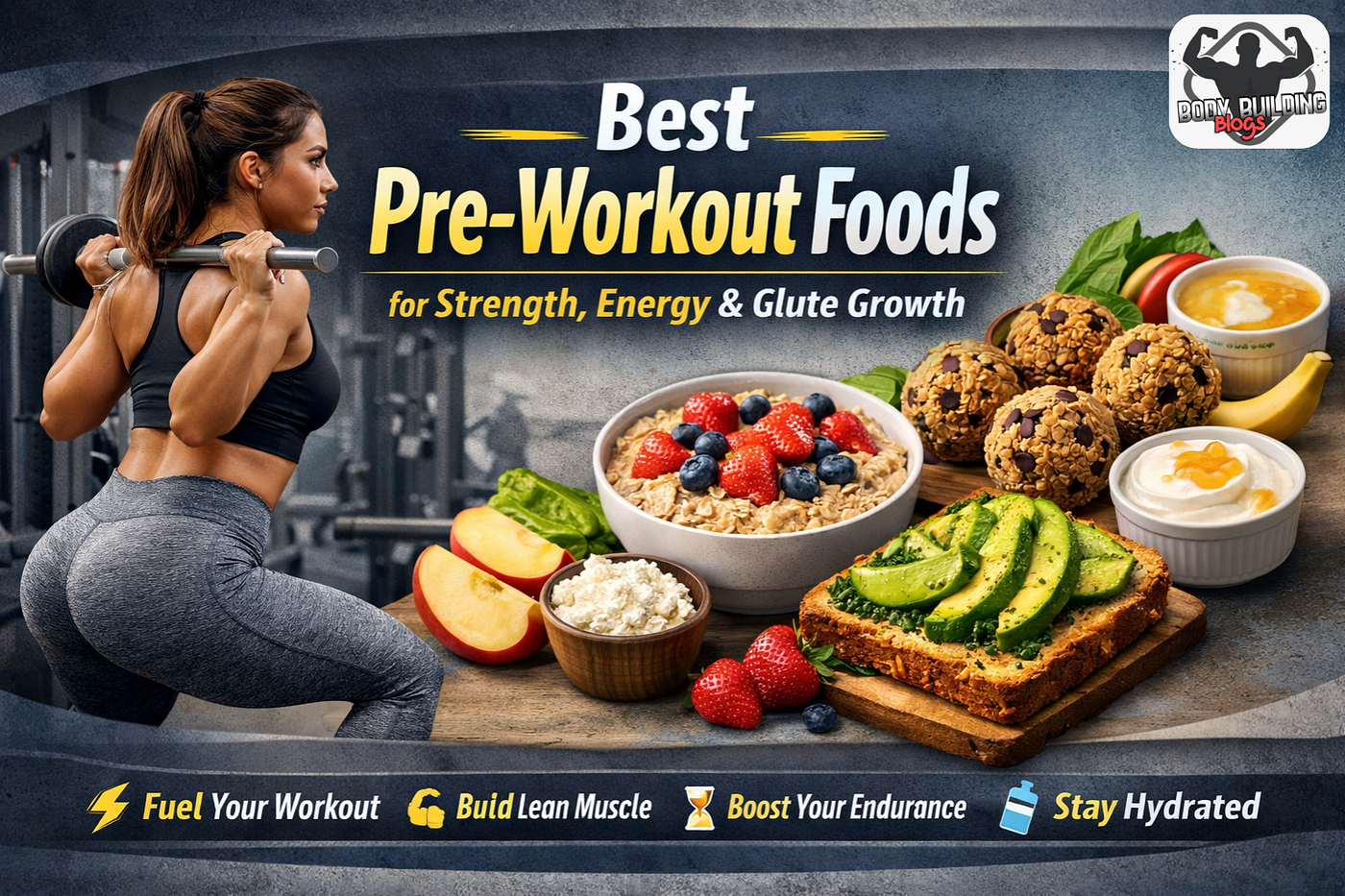
Choosing the right food before exercise can make a noticeable difference in your energy, stamina, and overall workout performance. A well-planned meal can provide your muscles with usable fuel while helping you stay focused and comfortable throughout training.
The best pre workout meals usually combine carbohydrates for energy, moderate protein for muscle support, and fluids for hydration. The ideal choice also depends on how much time you have before exercising, your workout intensity, and how your body responds to different foods.
Why Pre Workout Nutrition Matters
Your body needs fuel to perform physical activity efficiently. Carbohydrates are especially useful before exercise because they can provide readily available energy, while protein supports muscle maintenance and recovery. Eating appropriately can also help prevent hunger from distracting you during training.
However, eating more is not always better. A very large or heavy meal immediately before exercise may leave you feeling sluggish or uncomfortable. The goal is to choose enough food to support your session without overwhelming your digestive system.
Best Pre Workout Meals for Energy
Oatmeal with banana is a simple option when you want sustained energy. Oats provide carbohydrates and fiber, while a banana adds easily digested carbohydrates and potassium. Adding a small amount of Greek yogurt can increase the protein content without making the meal excessively heavy.
Whole-grain toast with eggs can also work well when you have more time before training. The toast provides carbohydrates, while eggs supply protein and other nutrients. Keep portions moderate, particularly if you are exercising soon after eating.
Quick Meals Before a Workout
When you only have a short period before exercising, choose foods that are relatively easy to digest. A banana with Greek yogurt, a small smoothie, or toast with a thin layer of nut butter can provide carbohydrates and some protein without being excessively filling.
A simple fruit smoothie can be particularly convenient. Blending banana or berries with yogurt and milk creates a combination of carbohydrates, protein, and fluids. Avoid adding excessive amounts of fat or fiber immediately before intense exercise if those ingredients tend to cause digestive discomfort.
Pre Workout Meals for Stamina
For longer training sessions, your meal should provide enough carbohydrates to support sustained activity. Oatmeal topped with fruit, rice with lean protein, or a baked potato with eggs can be useful choices when eaten far enough ahead of your workout.
Hydration is equally important for stamina. Drink water throughout the day and have fluids before exercising. During longer or particularly sweaty sessions, electrolytes may also be useful, especially in hot conditions.
What to Eat 2 to 3 Hours Before Exercise
Having two to three hours before training gives you more flexibility. You can enjoy a balanced meal containing carbohydrates, moderate protein, and a relatively small amount of fat. Examples include rice with chicken and vegetables, oatmeal with fruit and yogurt, or a turkey sandwich with fruit.
This timing allows your body to begin digesting the meal before exercise starts. Portion size should still match your needs because an excessively large meal can cause discomfort even when eaten several hours beforehand.
What to Eat 30 to 60 Minutes Before Exercise
With less time available, focus on smaller portions and foods that digest comfortably. Fruit, toast, a small yogurt serving, or a modest smoothie can provide useful energy without requiring a long digestion period.
If you are sensitive to food before exercise, start with a small serving and observe how you feel. Personal tolerance matters because a meal that works perfectly for one person may cause bloating or heaviness for another.
Pre Workout Foods to Limit
Foods very high in fat can take longer to digest and may feel uncomfortable when consumed shortly before intense exercise. Large fried meals, heavy sauces, and excessive portions may therefore be better saved for later.
Very high-fiber foods can also cause digestive issues for some people before training. Large amounts of beans, certain raw vegetables, or other fiber-rich foods may not be ideal immediately before a hard workout. This does not mean these foods are unhealthy; timing simply matters.
How to Choose the Right Meal
Your ideal pre workout meal depends on your training schedule, workout type, and personal digestion. A short strength workout may require less food than a long endurance session, while early-morning training may call for something much lighter than an afternoon workout.
Experiment during normal training rather than before an important competition or demanding event. Keep track of which foods leave you energized and which ones cause discomfort. Over time, you can develop a reliable eating routine that matches your body and training goals.
Pre Workout Meals for Different Goals
If your primary goal is building muscle, include a quality protein source along with carbohydrates. Foods such as yogurt, eggs, lean chicken, milk, or cottage cheese can complement carbohydrate-rich foods and support your overall protein intake.
If you are trying to manage your calorie intake while improving fitness, focus on nutrient-dense portions rather than skipping food altogether. Fruit, oats, potatoes, whole grains, and lean protein can provide useful nutrition without requiring a very large meal.
Common Pre Workout Nutrition Mistakes
One common mistake is exercising after eating too little and expecting maximum performance. Insufficient fuel can leave you feeling tired, hungry, or unable to maintain your usual training intensity. Another mistake is eating a huge meal immediately before exercise because you assume more food will automatically provide more energy.
Ignoring hydration is another frequent problem. Even a good meal cannot compensate for poor fluid intake. Building a consistent routine around food, water, sleep, and recovery is generally more effective than relying on one specific meal.
Conclusion
The best pre workout meals provide practical fuel without leaving you overly full or uncomfortable. Carbohydrate-rich foods can support exercise energy, while moderate protein can complement muscle-building and recovery goals. Options such as oatmeal and fruit, toast and eggs, yogurt with banana, or a balanced rice-based meal can fit different schedules.
Meal timing is just as important as food selection. Larger balanced meals generally work better when eaten a few hours before exercise, while smaller and easier-to-digest foods are often preferable closer to training. Experiment with portions and timing to discover what helps you feel energized, comfortable, and ready to perform.
FAQs
What is the best meal before a workout?
A balanced option containing carbohydrates and moderate protein is a good starting point. Oatmeal with banana and yogurt is one simple choice.
How long before a workout should I eat?
A larger meal can generally be eaten around two to three hours before exercise. A smaller snack may work better 30 to 60 minutes beforehand.
Is a banana good before exercise?
Yes. Bananas provide carbohydrates and are convenient, portable, and usually easy to digest.
Should I eat protein before a workout?
Moderate protein can be useful, particularly when supporting muscle-building goals. Yogurt, eggs, milk, or lean protein can be included depending on meal timing.
Can I exercise on an empty stomach?
Some people tolerate fasted exercise well, particularly during lighter sessions. Others perform better after eating a small carbohydrate-rich snack.
What should I drink before a workout?
Water is a practical choice for most workouts. Longer or particularly sweaty sessions may increase the importance of replacing electrolytes.
Are fatty foods good before exercise?
Large amounts of fat immediately before intense exercise may slow digestion and cause discomfort. Keep high-fat foods moderate and allow more time for digestion.
What should I eat before a long workout?
A meal containing sufficient carbohydrates, moderate protein, and fluids can help support longer training sessions. Oatmeal with fruit or rice with lean protein are examples.
