
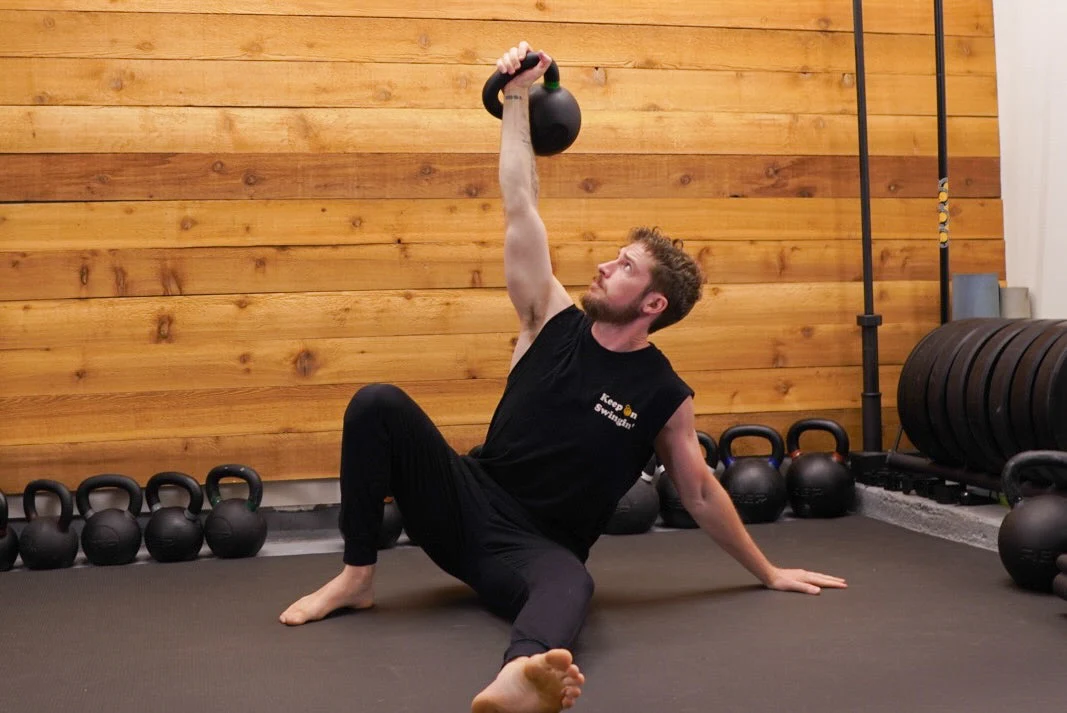
The Best At-Home Kettlebell Workout to Burn Calories can help you build strength, improve cardiovascular fitness, and increase calorie expenditure without spending hours in a gym. Kettlebells combine resistance training with dynamic movements, allowing you to challenge several muscle groups while keeping your heart rate elevated. With one kettlebell and enough space to move safely, you can create an efficient workout at home.
Kettlebell training is especially useful for people who want an effective routine that combines strength and cardio. Exercises such as swings, goblet squats, cleans, and presses require your muscles to work together while demanding coordination and stability. When performed with proper technique, these movements can make a home workout challenging, practical, and enjoyable.
Why Kettlebell Training Burns Calories
Kettlebell exercises often involve multiple joints and muscle groups at the same time. Instead of isolating one muscle, movements such as swings and thrusters require your legs, hips, core, shoulders, and arms to work together. This full-body involvement can make the workout more demanding than many traditional isolation exercises.
Another reason kettlebell training can increase calorie expenditure is its ability to combine strength and conditioning. Moving continuously between exercises keeps your body active and can elevate your heart rate. The amount of energy you use depends on factors such as body size, workout intensity, exercise selection, and rest periods.
Choosing the Right Kettlebell
Choosing an appropriate kettlebell is important for both safety and performance. Beginners should start with a weight they can control comfortably while maintaining proper form throughout every repetition. A kettlebell that is too heavy can make it difficult to learn technique and may increase unnecessary strain on the lower back, shoulders, or wrists.
A lighter weight is often useful when learning technical exercises such as cleans and presses. Once your movement quality improves, you can gradually increase resistance or training volume. The goal is not simply to use the heaviest kettlebell possible but to choose a resistance that allows controlled, technically sound repetitions.
Warm-Up Before Your Workout
A proper warm-up prepares your muscles and joints for dynamic kettlebell movements. Spend several minutes performing easy activities such as marching in place, bodyweight squats, arm circles, hip rotations, and light jogging. These movements gradually raise your body temperature and prepare you for more demanding exercises.
Pay particular attention to your hips, shoulders, and core because they play important roles during kettlebell training. A few controlled bodyweight hinges can also help you practise the hip movement needed for kettlebell swings. Avoid rushing into heavy or explosive movements before your body is ready.
The At-Home Kettlebell Calorie Workout
Begin with kettlebell swings to activate your posterior chain and raise your heart rate. Focus on driving the movement with your hips rather than lifting the kettlebell primarily with your arms. Keep your spine neutral and allow the kettlebell to move naturally while maintaining control throughout each repetition.
Follow the swings with goblet squats, alternating reverse lunges, kettlebell rows, and overhead presses. Perform each exercise for a manageable period before moving to the next movement, then rest briefly and repeat the circuit. Beginners can complete fewer rounds, while experienced exercisers can gradually increase the number of rounds or reduce rest periods.
Kettlebell Swings for Full-Body Conditioning
Kettlebell swings are one of the most popular exercises for calorie-focused conditioning. The movement primarily uses the hips and legs while the core and upper body help stabilise the body. Because the exercise is performed continuously, it can quickly increase breathing and heart rate.
The key to a safe swing is the hip hinge. Push your hips backward, maintain a neutral spine, and drive your hips forward to move the kettlebell. Avoid turning the exercise into a front raise with your arms. Your hips should generate most of the power while your arms guide the kettlebell.
Goblet Squats for Lower-Body Strength
Goblet squats provide an effective way to strengthen the quadriceps, hamstrings, glutes, and core. Hold the kettlebell close to your chest and lower your body under control while keeping your chest comfortably upright. Your knees should track in line with your feet throughout the movement.
Adding goblet squats to a conditioning circuit increases the workload on the lower body while keeping your entire body engaged. As your technique improves, you can increase repetitions or use a slightly heavier kettlebell. Maintaining controlled movement is more important than simply completing a high number of repetitions.
Kettlebell Rows and Presses
Kettlebell rows strengthen the upper back, shoulders, and arms while also challenging core stability. Support your body in a strong hinged position and pull the kettlebell toward your torso without twisting excessively. Lower it slowly before repeating the movement on the other side.
Overhead presses shift the focus toward the shoulders and triceps while requiring your core to stabilise your body. Keep the movement controlled and avoid arching your lower back to force the kettlebell overhead. If you cannot maintain good posture, reduce the resistance or repetitions.
How to Structure Your Workout
A simple circuit can begin with kettlebell swings, followed by goblet squats, rows, reverse lunges, and overhead presses. Complete the movements at a steady pace with short recovery periods between exercises. After finishing one complete circuit, rest long enough to recover your breathing before beginning another round.
Beginners may start with two or three rounds and focus on technique. More experienced exercisers can complete additional rounds or increase the work period gradually. Avoid increasing every training variable at once because excessive volume can make recovery difficult and reduce the quality of your movement.
Making Your Workout More Challenging
As your fitness improves, there are several ways to make your kettlebell routine more demanding. You can increase the resistance, add repetitions, extend the work period, or reduce rest time. You can also introduce more complex movements after mastering the fundamentals.
Progress should be gradual and controlled. Increasing difficulty too quickly can cause excessive fatigue and make it harder to maintain proper technique. A sustainable training programme challenges your body while still allowing sufficient recovery between workouts.
Nutrition and Recovery
Exercise is only one part of a successful fitness routine. A balanced diet containing protein, carbohydrates, healthy fats, fruits, and vegetables provides nutrients that support energy, muscle repair, and overall health. Staying hydrated is also important, particularly during demanding workouts that cause significant sweating.
Recovery gives your muscles time to repair and adapt to training. Adequate sleep, rest days, and sensible workout scheduling can help you maintain performance over time. Avoid training intensely every day if your body remains excessively tired or sore, and give yourself enough time to recover.
Common Kettlebell Training Mistakes
One common mistake is using a kettlebell that is too heavy. Excessive resistance can compromise technique and cause you to rely on momentum instead of controlled movement. Beginners should first learn the movement pattern with manageable resistance before increasing the load.
Another mistake is neglecting the hip hinge during swings. The swing should come primarily from powerful hip extension rather than excessive arm movement or squatting. Maintaining a neutral spine and controlled technique throughout the exercise helps create a safer and more effective workout.
Conclusion
The Best At-Home Kettlebell Workout to Burn Calories combines strength, conditioning, coordination, and cardiovascular exercise in a compact routine. Dynamic exercises such as swings, squats, lunges, rows, and presses can challenge the entire body while helping increase calorie expenditure. You do not need a large home gym to create an effective training environment.
For the best results, start at an appropriate fitness level and gradually increase the challenge as your technique improves. Pair regular kettlebell workouts with balanced nutrition, adequate hydration, quality sleep, and recovery. With consistency and patience, kettlebell training can become an effective part of a sustainable home fitness programme.
FAQs
Can kettlebell workouts help with weight loss?
Yes. Kettlebell workouts can increase calorie expenditure and improve fitness. Combining exercise with a balanced diet can support healthy weight management.
How long should an at-home kettlebell workout last?
A focused session can take around 20 to 40 minutes, depending on your fitness level, workout structure, rest periods, and training goals.
Is kettlebell training suitable for beginners?
Yes. Beginners can start with basic movements and manageable resistance while learning proper technique before progressing to more challenging exercises.
Which kettlebell exercise burns the most calories?
Dynamic movements such as kettlebell swings can provide substantial cardiovascular and muscular demand. Calorie expenditure varies according to intensity and individual factors.
How many times per week should I use a kettlebell?
Many people can train with kettlebells two to four times per week, depending on workout intensity, experience, and recovery needs.
Can I build muscle with a kettlebell?
Yes. Kettlebells provide resistance that can strengthen and develop muscles when training is progressively challenging and supported by adequate nutrition.
Do I need two kettlebells?
No. A single kettlebell is enough for many effective exercises and full-body workouts. Additional kettlebells can provide more options as your experience increases.
Should I do cardio separately from kettlebell training?
Not necessarily. Many kettlebell workouts combine resistance and cardiovascular conditioning. Separate cardio can still be useful if it matches your fitness goals and recovery capacity.
