

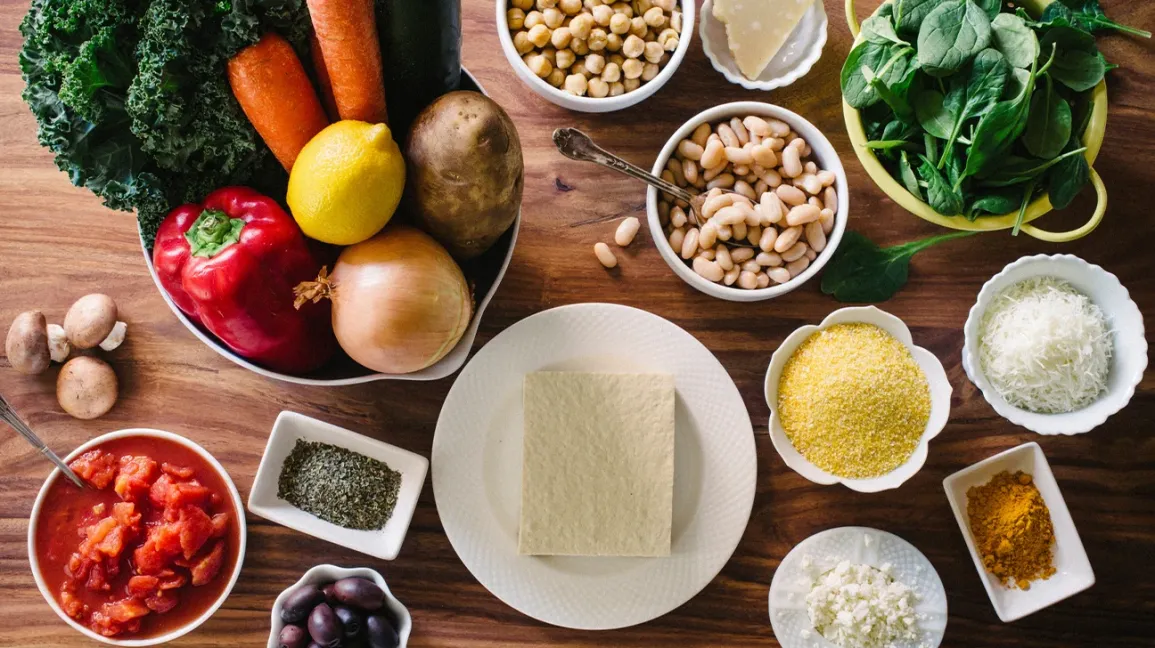
Meal Prep for Beginners: A Step-by-Step Ultimate Guide is the perfect starting point for anyone who wants to eat healthier, save time, and make daily meals easier. Preparing food in advance can remove the stress of deciding what to eat after a busy day. Instead of relying on takeout or processed foods, you can have balanced meals ready when you need them.
Meal preparation does not need to be complicated or expensive. Beginners can start with a few simple recipes, basic ingredients, and a realistic weekly schedule. With the right approach, preparing meals ahead of time can become a simple habit that supports better nutrition, portion control, and a more organized lifestyle.
What Is Meal Prep?
Meal prep means preparing some or all of your meals before you actually need to eat them. This may involve cooking several portions of one recipe, preparing ingredients for future meals, or assembling complete meals in containers for the coming days. The method you choose can depend on your schedule, cooking skills, and personal goals.
The biggest advantage is convenience. When healthy food is already prepared, you are less likely to skip meals or choose unhealthy options because you are hungry and short on time. A simple preparation routine can make eating well much easier throughout the week.
Why Meal Prep Is Helpful for Beginners
One of the main benefits of meal preparation is saving time. Cooking several meals during one session can reduce the amount of time you spend in the kitchen during busy weekdays. Instead of preparing breakfast, lunch, and dinner from scratch every day, you can simply reheat or assemble food that is already prepared.
Meal prep can also help you make more thoughtful food choices. When you plan meals in advance, you can include protein, vegetables, whole grains, fruits, and healthy fats in appropriate amounts. Having nutritious options available makes it easier to maintain consistent eating habits without feeling overwhelmed.
Planning Your Weekly Meals
The first step is deciding how many meals you actually need to prepare. Beginners often make the mistake of cooking an entire week’s worth of food immediately, which can become tiring and wasteful. Start with a few lunches or dinners and increase the amount as you become more comfortable with the process.
Choose simple recipes that use ingredients you enjoy and can easily find. You can prepare a protein such as chicken, eggs, beans, fish, or tofu and combine it with vegetables and a carbohydrate source such as rice, potatoes, oats, or whole grains. Keeping meals simple makes the routine easier to maintain.
Creating a Smart Grocery List
A grocery list helps you purchase only what you need and prevents unnecessary spending. Before shopping, check your kitchen for ingredients you already have. Then write down the remaining foods required for your planned recipes and organize them according to the type of food or section of the store.
Focus on versatile ingredients that can be used in several meals. For example, cooked chicken can be added to salads, wraps, rice bowls, or sandwiches. Vegetables can be roasted once and used throughout the week, while oats, yogurt, eggs, and fruit can provide simple breakfast options.
Preparing Food Efficiently
When you begin cooking, organize your kitchen before turning on the stove. Wash vegetables, measure ingredients, and prepare containers so that everything is ready to go. Cooking similar foods together can make the process faster and reduce unnecessary cleaning.
Use simple cooking methods such as baking, roasting, steaming, grilling, or sautéing. You do not need complicated recipes to create nutritious meals. Seasoning ingredients with herbs, spices, lemon juice, garlic, or other flavourful additions can make basic meals more enjoyable without requiring excessive sauces or added ingredients.
Building a Balanced Meal
A balanced meal should provide a combination of protein, carbohydrates, vegetables or fruit, and healthy fats. Protein supports muscle maintenance and recovery, while carbohydrates provide energy for daily activities. Vegetables and fruit provide important vitamins, minerals, antioxidants, and dietary fibre.
Healthy fats can come from foods such as avocado, nuts, seeds, olive oil, and fatty fish. You do not need to make every meal perfect. Instead, focus on creating a balanced overall eating pattern that provides a variety of nutrients throughout the day.
Easy Meal Prep Ideas for Beginners
Breakfast can be one of the easiest meals to prepare ahead of time. Overnight oats, boiled eggs, Greek yogurt with fruit, and homemade breakfast wraps can be prepared in advance and stored for convenient mornings. These options require minimal cooking and can be customized according to your preferences.
For lunch and dinner, simple combinations such as chicken with rice and vegetables, turkey wraps, bean bowls, pasta with vegetables, or baked fish with potatoes can work well. Preparing a few basic ingredients separately also allows you to create different meals during the week instead of eating exactly the same dish every day.
Choosing the Right Storage Containers
Good storage containers make meal preparation easier and more organized. Choose containers that are durable, easy to clean, and suitable for storing the foods you regularly prepare. Containers with separate sections can also keep different ingredients apart until you are ready to eat.
Glass and quality food-safe plastic containers can both be useful depending on your needs. Make sure containers are properly sealed before placing them in the refrigerator or freezer. Labelling meals with the preparation date can also help you keep track of freshness and reduce food waste.
Food Safety and Storage
Food safety should always be part of your preparation routine. Cook foods thoroughly and avoid leaving perishable meals at room temperature for extended periods. Once food has cooled appropriately, store it in the refrigerator or freezer according to safe food-handling practices.
Keep raw ingredients separate from cooked foods to reduce the risk of cross-contamination. Use clean utensils and surfaces while preparing meals, and pay attention to changes in smell, appearance, or texture before eating stored food. When in doubt about whether something is safe, it is better to discard it.
How to Avoid Meal Prep Burnout
Eating the same meal repeatedly can become boring, even when the food is healthy. To keep your routine interesting, prepare ingredients that can be combined in different ways. Changing seasonings, sauces, vegetables, or cooking methods can make familiar ingredients taste completely different.
You can also alternate recipes from week to week instead of trying to create a completely new menu every day. The goal is to make meal preparation sustainable rather than perfect. A routine that is simple enough to follow consistently is more useful than an ambitious plan that quickly becomes exhausting.
Saving Money With Meal Prep
Preparing food at home can help reduce spending on restaurant meals, delivery, and convenience foods. Buying staple ingredients in reasonable quantities and using them across several recipes can make your grocery budget more efficient. Planning meals also reduces impulse purchases because you already know what you intend to cook.
Reducing food waste is another way meal preparation can save money. Before shopping, look at the ingredients already available in your kitchen and build meals around them. Freezing ingredients or prepared meals that will not be eaten soon can also help prevent unnecessary waste.
Staying Consistent With Meal Prep
Consistency becomes easier when you choose a preparation schedule that fits your lifestyle. Some people prefer preparing meals once a week, while others find it easier to cook twice during the week. There is no single method that works for everyone, so experiment until you find a routine that feels manageable.
Start small and improve gradually. You might begin by preparing only lunches or breakfasts before eventually adding dinners and snacks. As your confidence grows, you will learn which recipes store well, which ingredients you enjoy, and how much food you actually need.
Conclusion
Meal Prep for Beginners: A Step-by-Step Ultimate Guide shows that preparing food ahead of time can be simple, practical, and rewarding. By planning meals, creating a grocery list, preparing versatile ingredients, and storing food safely, beginners can reduce daily stress and make healthier choices more convenient.
The most successful approach is one that fits naturally into your lifestyle. You do not need complicated recipes or hours in the kitchen to get started. Begin with a few balanced meals, keep your preparation simple, and gradually develop a routine that saves time, supports your nutrition goals, and makes healthy eating easier.
FAQs
Is meal prep good for beginners?
Yes, meal preparation is especially useful for beginners because it creates structure and makes healthy food easier to access during busy days.
How many days should I meal prep for?
Many beginners start with two to four days of meals. This allows you to practise preparation without cooking more food than you can comfortably store or consume.
What foods are best for meal prep?
Foods such as chicken, eggs, beans, rice, potatoes, oats, vegetables, fruit, yogurt, and whole grains are versatile and can be used in many simple meals.
Can meal prep help with weight management?
Meal preparation can support weight-management goals by making portion sizes and food choices easier to control. Overall nutrition and calorie intake still matter most.
How long does meal prep take?
A basic preparation session may take around one to three hours depending on the number of meals, recipes, and cooking methods involved.
Should I freeze my prepared meals?
Freezing can be useful for meals that you will not eat within a suitable refrigerated storage period. Use appropriate freezer-safe containers and label meals with preparation dates.
How can I make meal prep less boring?
Use different seasonings, vegetables, sauces, and meal combinations. Preparing versatile ingredients separately can give you several different meals from the same basic foods.
What is the easiest meal prep for beginners?
Simple combinations such as cooked protein, rice or potatoes, and vegetables are excellent starting points because they are easy to prepare, store, reheat, and customize.
