
Embarking on a muscle-building journey requires more than just consistent workouts; proper nutrition plays an equally crucial role in achieving noticeable results. Protein intake for muscle gain represents one of the most important nutritional factors that beginners must master early on. This detailed exploration covers everything from basic requirements to advanced strategies, empowering readers with knowledge that translates directly into better training outcomes and healthier lifestyles.
By focusing on evidence-based principles rather than trends, individuals can develop realistic expectations and avoid common pitfalls that derail progress. The following sections provide a complete roadmap tailored specifically for those new to strength training and muscle development.
The Science Behind Protein and Muscle Growth
Hormonal responses and genetic factors influence individual responses, yet the fundamental relationship between protein consumption and growth remains consistent across most people. Understanding these biological processes helps beginners appreciate why timing and quantity matter in their nutritional approach.
Calculating Your Personal Protein Requirements
Regular reassessment ensures targets remain relevant as fitness levels improve and body composition changes. Consulting with professionals can provide personalized adjustments based on individual circumstances and progress tracking.
Best Protein Sources for Muscle Building
Supplements serve as convenient additions rather than replacements for solid nutrition. Whey, casein, and plant protein powders can fill gaps effectively when whole food consumption falls short of targets.
Optimal Timing of Protein Consumption
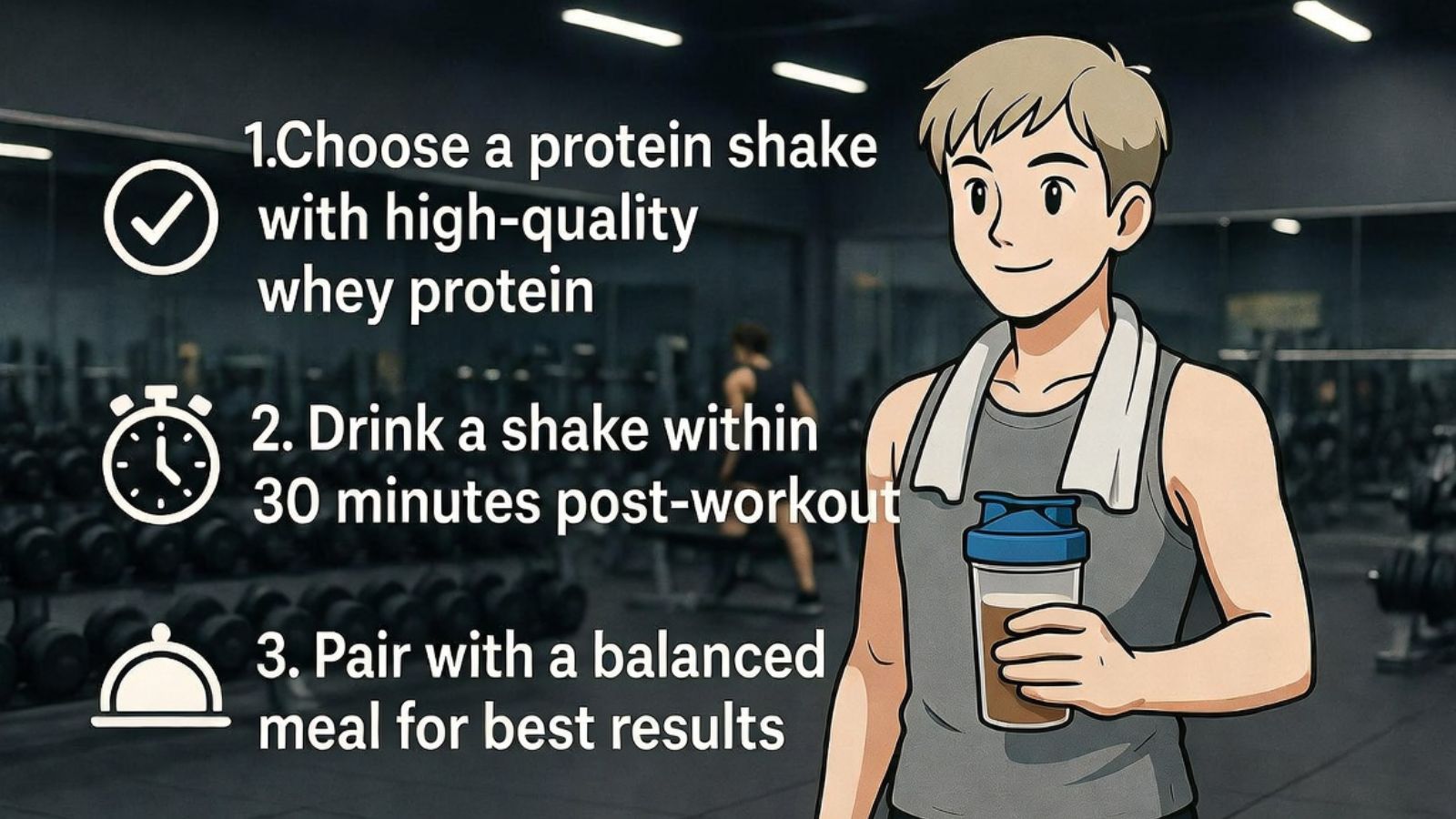
Evening intake before sleep supports overnight recovery, particularly when using slower-digesting proteins. Consistency in distribution often proves more impactful than obsessing over exact windows.
Combining Protein with Other Nutrients
Hydration and micronutrients from vegetables and fruits further optimize the environment for muscle adaptation. This holistic approach prevents common deficiencies that could limit progress despite adequate protein consumption.
Common Mistakes Beginners Make with Protein Intake

Tracking Progress and Adjusting Protein Intake

Sustainable Habits for Long-Term Success

Conclusion
Mastering protein intake for muscle gain leads to significant results for dedicated beginners who are willing to learn and consistently apply fundamental principles. The journey involves understanding personal needs, selecting quality sources, and integrating nutrition thoughtfully with training efforts. Those who approach the process with patience and curiosity often discover sustainable practices that extend benefits far beyond physical appearance into overall health and confidence. (Approximately 5-6 lines)
Success ultimately stems from combining knowledge with practical application while listening to individual body responses over time. As beginners progress into more experienced lifters, their refined understanding of protein intake for muscle gain continues evolving alongside their capabilities. This educational foundation creates empowered individuals capable of making informed decisions that support lifelong fitness goals and well-being. The investment in learning proper nutrition pays dividends through enhanced performance, faster recovery, and greater enjoyment of the training process. (Approximately 5-6 lines)
FAQs

Excessive amounts beyond needs typically are used for energy or stored as fat, though very high intakes may strain kidneys in some individuals.
Should I use protein supplements as a beginner?
Supplements can help reach targets conveniently but should complement rather than replace whole food sources in the diet.
Does protein timing matter significantly for muscle gain?
While total daily intake matters most, spreading consumption throughout the day supports consistent muscle protein synthesis.
Can vegetarians build muscle effectively with proper protein intake?
Yes, combining various plant sources ensures complete amino acid profiles necessary for optimal muscle development.
How quickly will I see results from improved protein intake?
Noticeable changes typically emerge after several weeks of consistent training and nutrition when combined with adequate recovery.
What are signs that my protein intake needs adjustment?
Persistent fatigue, slow recovery, or stalled strength gains may indicate the need to evaluate and modify current consumption levels.
Should women follow different protein guidelines than men?
Guidelines remain similar when adjusted for body weight and activity levels, though individual factors always warrant personalization.
