
If you’ve ever felt tightness in your hips, you’re not alone. Many people experience discomfort and limited mobility in this crucial area of the body. Whether you’re an athlete, a desk worker, or someone who simply enjoys staying active, flexible hips play a vital role in your overall movement and well-being. That’s where stretches for tight hips come into play! These stretches can help release tension, improve flexibility, and enhance your range of motion. Ready to discover how simple movements can lead to significant improvements? Let’s dive into the world of hip flexibility together!
What are the stretches for tight hips?
Stretches for tight hips refer to specific movements designed to improve flexibility and relieve tension in the hip area. These stretches target the muscles surrounding the hips, including the hip flexors, glutes, and quadriceps.
Incorporating these stretches into your routine can help alleviate discomfort caused by sedentary lifestyles or physical activities. Many people experience tightness due to prolonged sitting or intense workouts, making it essential to address this issue.
The goal of these stretches is not just immediate relief but also enhancing overall mobility. Improved hip flexibility contributes significantly to better movement mechanics in daily activities and sports.
Regular practice can create a sense of ease during various physical tasks—from walking up stairs to participating in athletic events—allowing you greater freedom of movement.
Why Hip Flexibility is Important
Hip flexibility plays a crucial role in overall mobility and athletic performance. When your hips are flexible, you can move more freely in various activities—whether it’s running, dancing, or simply bending down to tie your shoes.
Tight hips often lead to poor posture and imbalances. This can cause discomfort not just in the hip area but also in the lower back and knees. Maintaining flexibility helps alleviate these issues.
Moreover, flexible hips enhance functional movement patterns essential for everyday tasks. Whether lifting groceries or squatting down, having range of motion makes these activities easier and safer.
Additionally, improved hip flexibility can boost sports performance by allowing greater stride length and power generation during explosive movements like jumping or sprinting. With better mobility comes increased efficiency in movement as well.
Common Causes of Tight Hips
Tight hips can stem from various factors that often go unnoticed. A sedentary lifestyle is one of the leading culprits. Sitting for prolonged periods can shorten hip flexors and lead to stiffness.
Overuse injuries also contribute significantly. Activities like running or cycling, when done excessively without proper stretching, can tighten the hip muscles further.
Another common cause is muscle imbalances. Weak glutes and core muscles force the hips to work harder than they should, causing tension over time.
Age plays a role too; as we grow older, our bodies naturally lose flexibility and mobility in joints.
Inadequate warm-ups before exercise can create tightness as well. Skipping this crucial step leaves your muscles unprepared for activity, increasing the risk of strain and discomfort.
The Top Stretches for Tight Hips
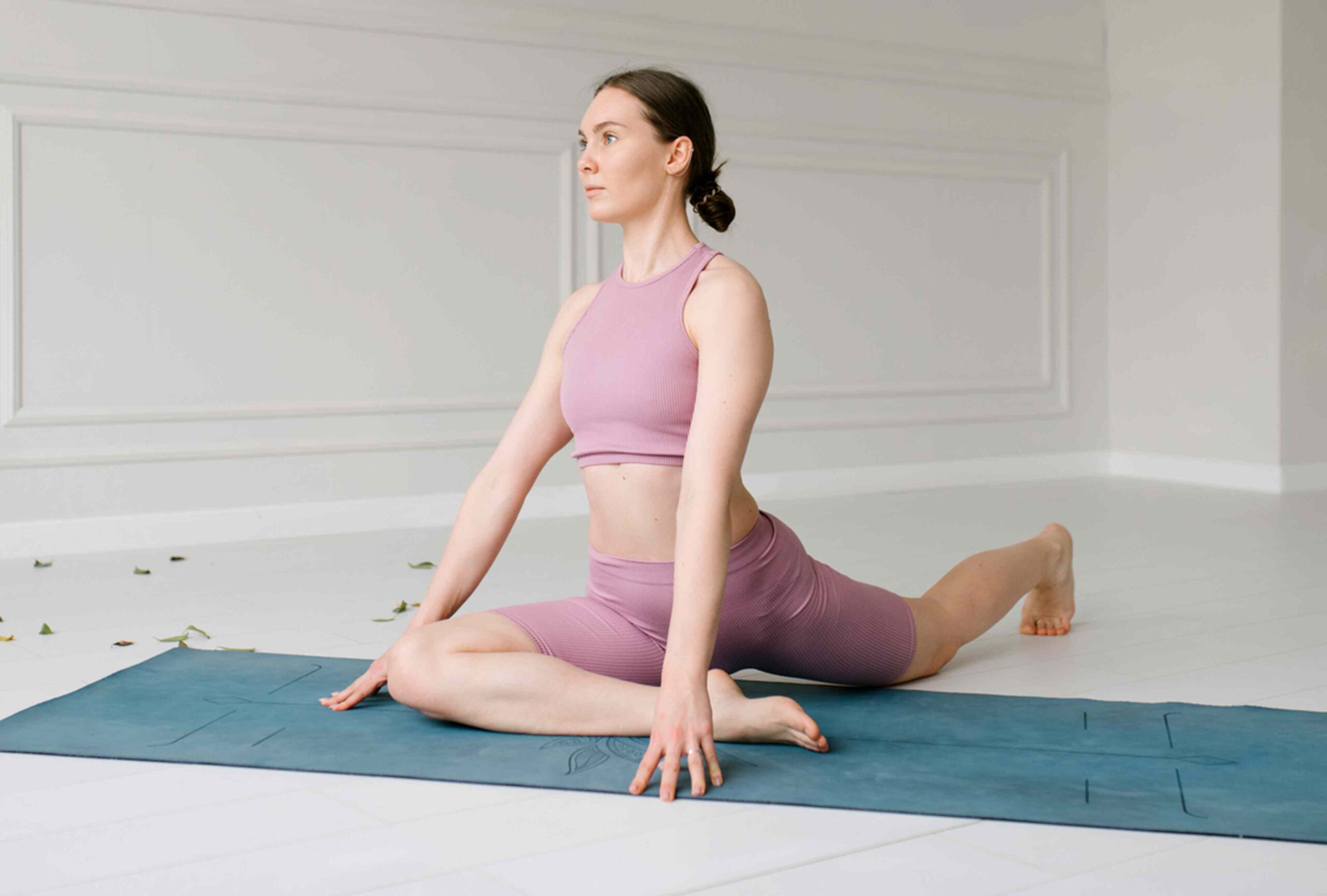
When it comes to loosening tight hips, several stretches can work wonders. The pigeon pose is a favorite among yogis. It deeply opens the hip flexors and glutes, providing immediate relief.
Next up is the butterfly stretch. Sit on the floor with your feet together and knees bent outward. This stretch targets your inner thighs while promoting flexibility in the hips.
Another effective option is the lunge stretch. Step one foot forward into a deep lunge while keeping your back leg straight. You’ll feel this one right in your hip flexor!
Don’t overlook the seated forward bend either. Sitting with legs extended, reach for your toes to release tension along your hamstrings and lower back.
Include figure-four stretches in your routine by lying on your back and crossing one ankle over the opposite knee. Pulling that bottom leg toward you allows deeper stretching of those stubborn areas!
Tips for Proper Stretching Technique
To achieve the best results with stretches for tight hips, proper technique is key. Start by warming up your muscles first. A few minutes of light cardio can prepare your body.
Focus on breathing steadily while stretching. Inhale deeply through your nose and exhale slowly through your mouth. This helps relax the body and deepen each stretch.
Avoid bouncing or jerking movements during stretches. Gentle, smooth motions allow for a safer range of motion and reduce injury risk.
Hold each stretch for at least 20-30 seconds to give your muscles enough time to relax and lengthen effectively.
Listen to your body; if you feel pain, ease back slightly until you find a comfortable position that allows you to feel the stretch without discomfort.
Consistency matters too! Incorporate these stretches into your routine several times a week for lasting benefits.
Incorporating Hip-Strengthening Exercises
Incorporating hip-strengthening exercises into your routine can significantly enhance the benefits of stretches for tight hips. Strengthening the muscles surrounding your hips provides support and stability, which helps in maintaining a better range of motion.
Consider adding resistance band workouts to your regimen. These bands are excellent for targeting not just the glutes but also the hip flexors. Simple lateral leg lifts or clam shells can make a noticeable difference over time.
Bodyweight exercises like squats and lunges also play a vital role. They engage multiple muscle groups while specifically focusing on hip strength. Aim for slow, controlled movements to ensure effectiveness.
Pilates and yoga are fantastic choices too, as they combine stretching with strengthening elements. The focus on core stability complements hip work perfectly, leading to improved overall mobility and balance without putting unnecessary strain on your joints.
Other Factors to Consider for Improved Range of Motion
When addressing tight hips, it’s essential to consider more than just stretching. Your daily habits play a significant role in hip flexibility.
Sitting for prolonged periods can lead to stiffness. Take breaks often and stand up to allow your hips some movement throughout the day.
Hydration is another key factor. Muscles need adequate water to function optimally, so drink plenty of fluids to support muscle health.
Additionally, pay attention to your footwear. Poor shoe choices can affect alignment and contribute to tightness over time.
Exploring activities like yoga or Pilates can enhance overall body awareness while promoting mobility in the hips through mindful movements and breath control. Incorporating these practices into your routine will help maintain flexibility beyond basic stretches.
Conclusion
Tight hips can be a significant barrier to movement and overall comfort. Incorporating stretches for tight hips into your routine can greatly enhance flexibility, alleviate discomfort, and improve your range of motion.
By understanding the importance of hip flexibility and recognizing common causes of tightness, you can take proactive steps toward better mobility. The stretches outlined in this article are designed to target those stubborn areas effectively while ensuring safety through proper technique.
Don’t forget to pair these stretches with hip-strengthening exercises for balanced development. Additionally, consider lifestyle factors that might contribute to tight hips, such as prolonged sitting or improper posture.
Embracing a holistic approach will not only ease tension but also promote long-term wellness. By consistently integrating these practices into your daily life, you’re on the path to more flexible and resilient hips ready to support all your activities with ease.
