

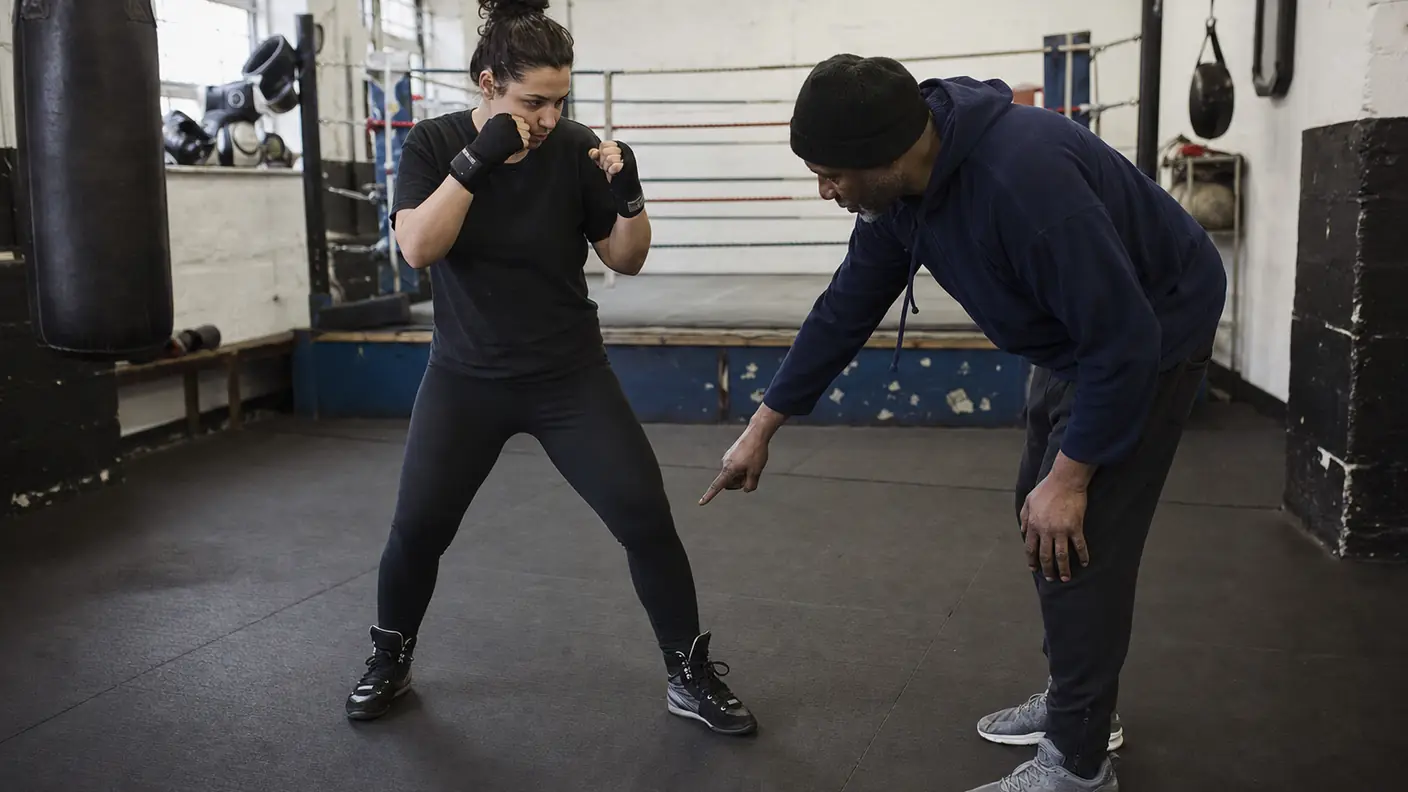
Boxing is not only about throwing powerful punches. Good movement is one of the foundations of effective boxing, and learning proper footwork can make a major difference in balance, defense, speed, and punching ability. One of the most common problems beginners experience is crossing their feet while moving around the ring. This mistake can leave you off balance and make it harder to react when an opponent attacks.
Learning beginner boxing footwork drills to stop crossing your feet can help you develop better movement habits from the start. Instead of trying to move quickly without control, you can learn how to keep your stance organized while stepping in different directions. With regular practice, your feet can become more coordinated, allowing your upper body and lower body to work together naturally.
Why Crossing Your Feet Is a Problem in Boxing
Crossing your feet usually happens when a boxer moves sideways, backward, or diagonally without maintaining the correct relationship between the feet. For example, when moving to the left, a beginner may accidentally move the right foot across the left foot. Although this may seem like a small technical error, it can seriously affect balance and positioning.
A boxing stance is designed to keep you prepared to punch, defend, or change direction. When your feet cross, your base becomes unstable, and your ability to generate force can decrease. You may also find yourself taking longer to recover your stance after movement. Developing controlled footwork is therefore important before trying to move at high speed.
Understanding the Basic Boxing Stance
Before practicing footwork drills, you need to understand your starting position. A basic boxing stance keeps your feet separated, knees slightly bent, and body balanced between both legs. Your lead foot should point generally toward your opponent, while the rear foot stays behind at a comfortable angle.
Your feet should provide a stable foundation without feeling rigid. Avoid standing with your feet too close together because this makes it easier to lose balance. At the same time, an extremely wide stance can make movement slow and uncomfortable. The ideal position allows you to move while maintaining enough stability to punch or defend immediately.
The Step-and-Drag Drill
The step-and-drag drill is one of the simplest ways to learn controlled boxing movement. It teaches you to move one foot first and then bring the other foot back into your basic stance without allowing the feet to cross. This simple pattern can be practiced in every direction.
Start in your normal boxing stance and choose a direction. If you want to move left, move your lead foot toward the left first, then bring your rear foot across only far enough to restore your original stance width. When moving right, reverse the process. Practice slowly before increasing your speed.
Lateral Footwork Drill
Lateral movement is essential because boxers rarely remain directly in front of their opponents. Moving sideways allows you to change angles, avoid attacks, create punching opportunities, and control distance. However, lateral movement is also where many beginners develop the habit of crossing their feet.
Stand in your boxing stance and imagine a straight line running underneath your body. Step to one side while keeping your feet separated. After every step, return to your balanced stance before taking another step. Keep your knees slightly bent and avoid bouncing excessively.
As you become more comfortable, increase the speed while maintaining the same technique. The goal is not to cover a large distance. The goal is to move efficiently while keeping your stance ready for the next action.
Forward and Backward Footwork Drill
Forward and backward movement may appear easier than lateral movement, but beginners can still lose their stance when moving too quickly. A useful drill is to practice short steps while concentrating on maintaining your original stance width.
To move forward, your lead foot moves first, followed by your rear foot. To move backward, your rear foot moves first, followed by your lead foot. The exact sequence can vary depending on stance and coaching system, but the key principle remains the same: move without allowing your feet to collide or cross.
Keep each step relatively short. Large steps can make you slow to recover and may cause your upper body to lean excessively. Short, controlled movements help you remain balanced and ready to punch or defend.
The Line Drill for Better Foot Position
The line drill is an excellent beginner exercise because it gives you a simple visual reference. Place an imaginary line or use a safe floor marking to represent your movement path. Begin in your boxing stance with both feet positioned comfortably around the line.
Practice moving forward, backward, and sideways while keeping your feet on their respective sides of the imaginary reference. This makes it easier to recognize when your feet are becoming too narrow or crossing.
Perform the drill slowly at first. Watch your feet if necessary, but gradually learn to feel your stance without constantly looking down. In boxing, your eyes should remain focused on your opponent rather than on the floor.
Shadowboxing Footwork Drill
Shadowboxing is a great opportunity to combine footwork with realistic boxing movement. Instead of standing in one place and throwing combinations, use your feet to move before, during, and after your punches.
Start with simple movements. Take a small step forward, throw a jab, and move back into position. Move laterally, throw a combination, and change direction. Practice circling while keeping your stance stable. The objective is to make movement part of your boxing rather than treating footwork as a completely separate skill.
Keep the intensity moderate while learning. If you move too fast, poor habits can become automatic. Quality movement is more valuable than speed during the learning stage.
Pivot Drill for Better Angles
Pivoting allows a boxer to change direction while maintaining a useful position. It is especially valuable when creating angles or moving away from an opponent’s attack. Beginners sometimes cross their feet during pivots because they try to rotate too aggressively.
Begin from your normal stance and practice turning around your lead side or rear side under control. Keep your movements compact and maintain your balance throughout the rotation. Your feet should work together rather than one foot swinging wildly around your body.
Once you can pivot slowly without losing your stance, add simple punches. For example, practice a jab followed by a controlled pivot. This helps connect footwork with actual boxing situations.
Common Reasons Beginners Cross Their Feet
One major reason beginners cross their feet is trying to move too quickly. When speed becomes the priority, technique often disappears. The boxer may take large steps or move one foot too far, causing the other foot to cross or become trapped.
Another common reason is an unstable stance. If your feet begin too close together, you have less room for controlled movement. Poor posture can also contribute to the problem. Standing too upright, locking the knees, or leaning heavily in one direction can make proper foot placement more difficult.
The solution is to slow everything down and rebuild the movement pattern. Practice each direction separately until your feet naturally return to a balanced position. Speed should come after control rather than before it.
How to Practice Boxing Footwork Safely
Footwork practice should take place on a stable, non-slippery surface with enough room to move. Wear suitable boxing or training shoes that allow you to move comfortably without excessive sliding. Keep the training area free from objects that could cause you to trip.
Start each session with a light warm-up. Gentle movement, controlled bouncing, and dynamic mobility can prepare your body for training. Avoid performing complicated footwork drills at maximum intensity when your muscles are not ready.
Pay attention to fatigue as well. Tired legs can cause technique to break down, increasing the chance of developing poor movement habits. Short, focused practice sessions can be more useful than performing hundreds of rushed repetitions.
How to Build Better Boxing Footwork Over Time
Consistency is more important than trying to master every movement in one workout. Beginners can spend a few minutes practicing basic stance movement before progressing to more complicated drills. Once simple stepping feels natural, lateral movement, pivots, and shadowboxing can be added.
A useful approach is to practice slowly first and gradually increase your speed. You should be able to stop at any moment without losing balance. If you cannot stop comfortably, your movement is probably too fast or your steps are too large.
Recording your shadowboxing sessions can also help you identify problems. You may notice that your feet become too narrow when moving backward or that you cross your feet when changing direction. Once you identify the pattern, you can return to a simple drill and correct it.
Final Thoughts on Beginner Boxing Footwork Drills to Stop Crossing Your Feet
Learning beginner boxing footwork drills to stop crossing your feet is one of the smartest things a new boxer can do. Proper movement creates a stable foundation for punching, defending, changing angles, and controlling distance. Instead of focusing only on speed, concentrate on balance, stance control, and smooth transitions.
With regular practice, movements that initially feel awkward can become automatic. Step-and-drag exercises, lateral movement, forward and backward drills, line drills, shadowboxing, and pivots can all help develop better coordination. Keep your steps controlled, maintain your stance, and increase your speed only when your technique remains consistent.
FAQs About Beginner Boxing Footwork Drills to Stop Crossing Your Feet
Why do beginners cross their feet in boxing?
Beginners often cross their feet because they are moving too quickly, taking steps that are too large, or starting from an unstable stance. Practicing slowly helps develop proper movement patterns.
How can I stop crossing my feet while boxing?
Focus on keeping your feet separated and practice moving one direction at a time. The step-and-drag drill is particularly useful for learning how to maintain your stance while moving.
How often should I practice boxing footwork?
Regular short sessions can be very effective. Practicing footwork for around 10 to 15 minutes during several training sessions each week can help build coordination without overwhelming you.
Should I look at my feet while practicing?
You can briefly look down while learning a new movement, but gradually train yourself to keep your eyes forward. During boxing, your attention should remain on your opponent rather than the floor.
Is boxing footwork more important than punching power?
Powerful punches are useful, but they are much harder to use effectively without proper positioning. Footwork helps you control distance, maintain balance, create angles, and position yourself for punches.
Can shadowboxing improve my footwork?
Yes. Shadowboxing allows you to practice movement together with punches and defensive actions. It can help you learn to move naturally instead of treating footwork as an isolated exercise.
Why do my feet cross when I move sideways?
This commonly happens when you take overly large lateral steps or allow one foot to travel too far toward the other. Smaller steps and controlled repetitions can help correct the problem.
How long does it take to improve boxing footwork?
Improvement depends on your practice frequency, coordination, and training quality. With consistent practice, many beginners notice better control within several weeks, although mastering footwork takes continued training.
