

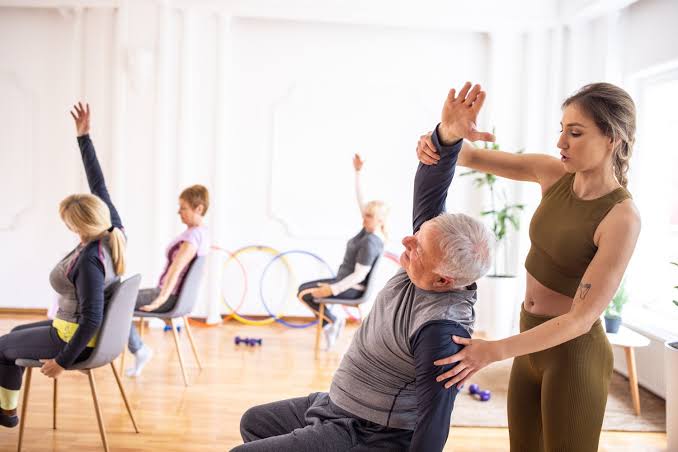
As we get older, staying physically active can become more challenging, especially when balance problems, joint stiffness, weakness, or limited mobility make traditional workouts uncomfortable. Fortunately, exercise does not always require a gym, complicated equipment, or standing for long periods. Chair exercises for seniors provide a practical way to stay active while using a sturdy chair for support.
Regular chair-based movement can help older adults work on flexibility, strength, coordination, and mobility at a comfortable pace. These exercises can be adapted for different fitness levels and performed at home with minimal equipment. When practiced consistently and correctly, they can become a useful part of an active lifestyle and help make everyday activities feel more manageable.
Why Chair Exercises Are Helpful for Seniors
Chair-based workouts offer an accessible alternative for seniors who cannot comfortably complete traditional standing exercises. Sitting provides additional stability and can make certain movements feel less intimidating. A chair can also be used for supported exercises that gradually introduce movement without requiring prolonged standing.
Staying active is important throughout the aging process because physical activity supports muscle function, flexibility, balance, and independence. Gentle movement can also help reduce the effects of prolonged sitting and stiffness. The goal is not to perform intense workouts but to move regularly and safely according to individual abilities.
How Chair Exercises Can Improve Mobility
Mobility refers to the ability to move the body comfortably and perform everyday tasks. Activities such as getting out of a chair, walking around the house, reaching for objects, or climbing steps all require a combination of strength, flexibility, and coordination.
Chair-based exercises can target several of these areas without placing the same demands on the body as high-impact activities. Repeated movements can encourage seniors to work their joints and muscles through comfortable ranges of motion. Over time, consistent practice may make everyday movement feel easier, although results vary from person to person.
Gentle Chair Warm-Up Exercises
Before starting a chair workout, a short warm-up can help prepare the body for movement. Sit toward the front or middle of a sturdy chair with your feet comfortably positioned on the floor. Keep your posture relaxed and avoid forcing any movement.
Begin with gentle shoulder rolls, slowly moving the shoulders upward, backward, downward, and forward. Follow this with easy ankle movements, such as lifting one foot slightly and moving the ankle in small circles. You can also gently march your feet while seated to increase movement in the hips and legs.
Seated Marching for Leg Mobility
Seated marching is one of the simplest exercises to include in a senior chair workout. Sit upright with your feet on the floor and slowly lift one knee, then lower it before lifting the opposite knee. Continue alternating at a comfortable pace.
The movement engages the hip and thigh muscles while encouraging coordination between the upper and lower body. Start with a small number of repetitions and gradually increase the duration if the exercise feels comfortable. Keep your movements controlled rather than trying to lift the knees as high as possible.
Seated Leg Extensions for Stronger Legs
Seated leg extensions can help strengthen the muscles at the front of the thighs. Sit upright with both feet on the floor. Slowly straighten one leg until it is comfortably extended, pause briefly, and then lower it back to the starting position.
Repeat the movement with the opposite leg. The exercise should be performed slowly and without locking the knee forcefully. If you experience pain rather than normal muscular effort, reduce the range of motion or stop the exercise.
Chair Exercises for Seniors to Support Flexibility
Flexibility can naturally become more limited with age, particularly when a person spends long periods sitting. Gentle stretching can encourage comfortable movement and may help reduce feelings of stiffness.
A simple seated upper-body stretch involves sitting upright and reaching one arm across the body while keeping the movement gentle. Another option is a seated side reach, where you raise one arm and lean slightly to the opposite side without forcing the torso. Stretches should feel mild rather than painful.
Seated Arm Raises for Upper-Body Strength
Chair exercises do not have to focus only on the legs. Seated arm raises can provide a simple way to involve the shoulders and upper arms. Sit upright with your arms resting beside you, then slowly raise them forward to a comfortable height before lowering them.
You can also raise the arms out to the sides if your shoulder mobility allows it. There is no need to use weights at first. Once the movement becomes comfortable, some seniors may choose to add very light resistance under appropriate guidance.
Seated Chest and Back Movements
Good upper-body mobility can make daily tasks such as reaching, dressing, carrying light objects, and maintaining posture easier. Gentle seated movements can help seniors practice moving the shoulders and upper back through comfortable ranges.
Try sitting upright with the arms relaxed and gently drawing the shoulder blades backward. Hold the position briefly without shrugging the shoulders, then relax. Another option is to place the hands together in front of the body and gently reach forward while maintaining a comfortable posture.
Seated Heel and Toe Raises
Heel and toe raises are simple movements that can be performed while seated. Keep your feet on the floor and lift both heels while keeping the toes down. Lower the heels and then lift the toes while keeping the heels down.
These movements involve the lower legs and ankles and can encourage regular movement after periods of sitting. They can be particularly convenient because they require very little space and can be incorporated into short activity breaks throughout the day.
Seated Hip Movements for Better Lower-Body Mobility
The hips play an important role in walking, sitting, standing, and changing direction. Gentle seated hip movements can help older adults keep these joints moving within a comfortable range.
One simple option is seated knee opening. Sit with your feet on the floor and slowly move one knee slightly outward before returning it to the starting position. Alternate sides and avoid forcing the movement. The motion should remain controlled and comfortable.
Chair Sit-to-Stand Exercises
If a senior can safely stand with appropriate support, the sit-to-stand exercise can be a useful functional movement. Sit in a sturdy chair with the feet positioned underneath the knees. Lean forward slightly and use the legs to stand, then slowly return to the chair.
This exercise closely resembles an everyday activity and can help practice lower-body strength and movement control. Seniors with balance concerns should use appropriate support and consider having a qualified professional determine whether this movement is suitable for them.
A Simple Chair Exercise Routine for Seniors
A basic routine can combine several gentle movements without requiring a long workout. Start with seated marching to warm up, followed by leg extensions and heel raises. Add comfortable arm raises, shoulder movements, and gentle stretches.
The amount of exercise should match the person’s current abilities. Someone who is new to exercise may begin with only a few repetitions of each movement and take breaks whenever necessary. As comfort and confidence improve, the duration or number of repetitions can be gradually increased.
How Often Should Seniors Perform Chair Exercises?
There is no single routine that works for every older adult. Fitness level, mobility, medical history, medications, joint problems, and previous activity levels can all influence how much exercise is appropriate.
Consistency is generally more useful than trying to complete an exhausting workout. Short movement sessions performed regularly can be easier to maintain than occasional intense exercise. Seniors who are inactive or have health concerns should consider discussing a suitable exercise plan with a healthcare professional or qualified exercise specialist.
How Chair Exercises May Help With Stiffness and Discomfort
Long periods of inactivity can make the body feel stiff. Gentle movement encourages seniors to regularly move their joints and activate their muscles instead of remaining in one position for extended periods.
However, exercise should not be viewed as a guaranteed treatment for chronic pain. Pain can have many different causes, and some conditions require professional assessment. If a particular movement causes sharp, worsening, or unusual pain, it should be stopped rather than pushed through.
Safety Tips for Senior Chair Workouts
Safety should always come before intensity. Choose a strong, stable chair that does not roll or slide easily. Avoid using chairs with wheels for exercises that require stability, and make sure the surrounding floor is free of objects that could create a tripping hazard.
Move slowly and breathe naturally. Avoid sudden jerking motions and do not force joints beyond a comfortable range. Seniors who have significant balance difficulties, recent injuries, serious health conditions, or unexplained pain should seek professional advice before beginning a new exercise routine.
Making Chair Exercise Part of Daily Life
One of the biggest advantages of chair-based activity is convenience. Exercises can be performed at home while watching television, during a movement break, or as part of a morning or afternoon routine. Making movement a regular habit can make it easier to stay consistent.
Seniors can also combine seated exercises with other appropriate forms of activity, such as walking, water-based exercise, or professionally guided strength training. Variety can make physical activity more enjoyable while allowing different aspects of fitness to be addressed.
Conclusion
Chair exercises for seniors provide a convenient way to introduce regular movement without requiring complicated equipment or demanding workouts. Seated marching, leg extensions, arm raises, heel raises, and gentle stretches can help older adults work on mobility, strength, flexibility, and coordination.
The most important goal is safe and consistent movement. Seniors should choose exercises that match their abilities, progress gradually, and stop if they experience concerning pain or symptoms. With an appropriate routine and professional guidance when needed, chair-based exercise can become a valuable part of an active lifestyle.
FAQs
Are chair exercises good for seniors?
Yes. Chair-based exercises can be useful for seniors who want to work on movement, strength, flexibility, and coordination while having the stability of a chair.
Can chair exercises help with mobility?
They can support mobility by encouraging regular movement of the legs, hips, ankles, shoulders, and other joints. Individual results depend on fitness level and health conditions.
Can seniors exercise from a chair every day?
Some gentle movements may be suitable for frequent practice, but the appropriate amount varies between individuals. A healthcare or exercise professional can provide personalized guidance.
What chair is best for senior exercises?
A sturdy, stable chair without wheels is generally preferable. It should have a comfortable height and provide reliable support during seated movements.
Can chair exercises reduce pain?
Gentle movement may help some people manage stiffness and maintain function, but chair exercises are not a universal treatment for pain. Persistent or worsening pain should be evaluated by a healthcare professional.
Are chair exercises suitable for beginners?
Yes. Many chair exercises can be modified for beginners by using smaller ranges of motion, fewer repetitions, and longer rest periods.
How long should a senior chair workout last?
The appropriate duration depends on the person’s fitness and health. Beginners can start with short sessions and gradually build activity as tolerated.
Can chair exercises improve leg strength?
Exercises such as seated marching, leg extensions, heel raises, and appropriately performed sit-to-stands can engage the lower-body muscles and support strength development.
