

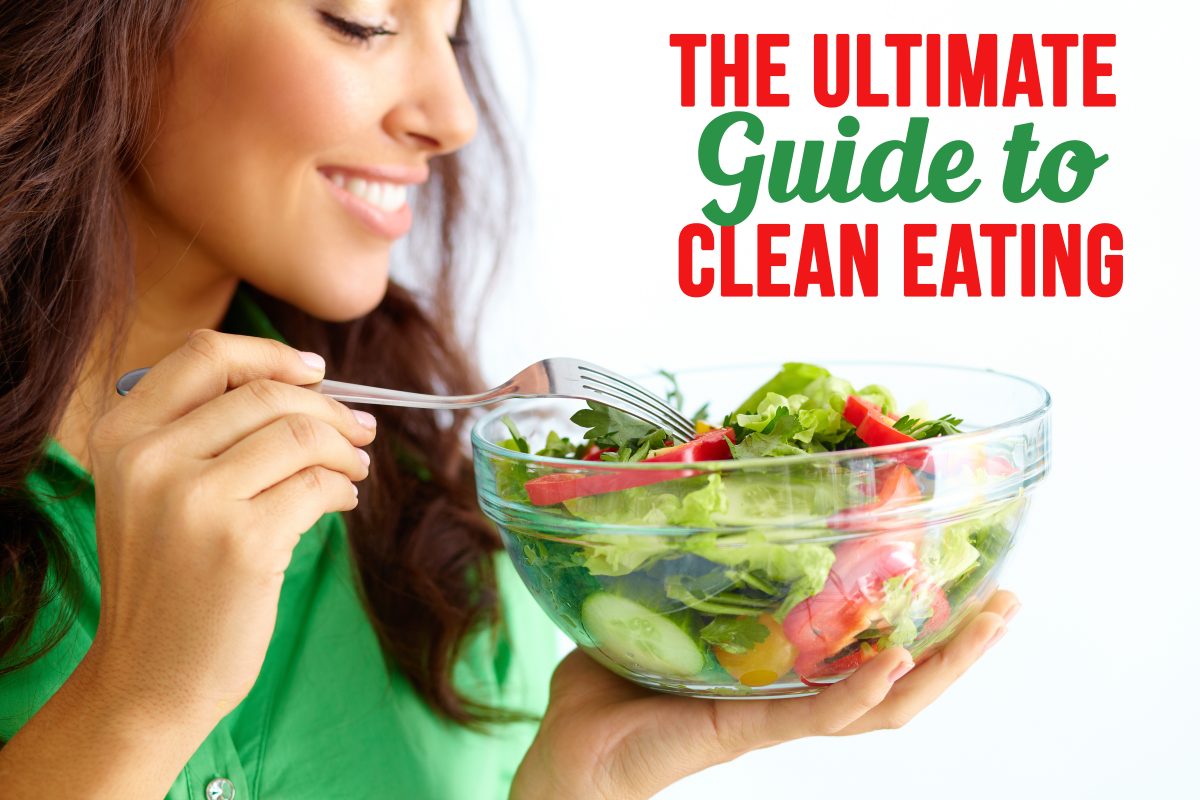
A Clean Eating Guide: How to Eat Clean When You Have No Time can make healthy eating feel much easier for people with busy schedules. Between work, family responsibilities, commuting, and daily tasks, preparing nutritious meals can seem impossible. Many people end up choosing fast food or packaged snacks simply because they are convenient.
Clean eating does not mean spending hours in the kitchen or following a complicated diet. It is mainly about choosing nutritious foods more often and making simple meals that fit your lifestyle. With a little planning, you can create quick meals using basic ingredients while still enjoying delicious and satisfying food.
What Does Clean Eating Really Mean?
Clean eating generally means focusing on minimally processed foods that provide useful nutrients. Vegetables, fruits, whole grains, beans, lean proteins, nuts, seeds, and healthy fats can form the foundation of a balanced eating pattern. The goal is not perfection but making nutritious choices consistently.
Processed foods do not automatically have to disappear from your diet. Some convenient foods, such as frozen vegetables, canned beans, plain yogurt, and whole-grain bread, can be useful parts of a healthy routine. The key is to focus on overall dietary quality rather than trying to follow unrealistic rules.
Why Busy People Struggle With Healthy Eating
Time is one of the biggest barriers to preparing nutritious meals. After a long day, cooking from scratch may feel like another responsibility rather than something enjoyable. Without convenient options available at home, ordering takeout or grabbing processed snacks can become the easiest choice.
Another challenge is poor planning. When meals are not considered in advance, hunger can lead to impulsive decisions. Having a few simple ingredients ready can make a major difference because you can prepare something nutritious before hunger becomes overwhelming.
Build a Simple Healthy Food System
Instead of planning complicated recipes every day, create a basic food system that makes healthy eating easier. Keep several reliable protein sources, vegetables, fruits, whole grains, and healthy fats available at home. These ingredients can be mixed and matched to create quick meals without following a strict recipe.
For example, cooked chicken can be combined with rice and vegetables for one meal and added to a whole-grain wrap for another. Eggs can become breakfast, while Greek yogurt and fruit can provide a quick snack. Simple combinations reduce decision-making and save valuable time.
Choose Quick Protein Sources
Protein is important for maintaining muscle, supporting recovery, and helping you feel satisfied after meals. Fortunately, many nutritious protein sources require very little preparation. Eggs, Greek yogurt, cottage cheese, canned tuna, cooked chicken, tofu, beans, and lentils can all make convenient choices.
For extremely busy mornings, Greek yogurt with fruit and nuts can be prepared in minutes. A whole-grain wrap filled with chicken and vegetables can work as a quick lunch. Keeping ready-to-eat protein options available reduces the temptation to rely on less nutritious convenience foods.
Keep Fast Carbohydrates Available
Carbohydrates provide energy for work, exercise, and everyday activities. Instead of avoiding carbohydrates, choose convenient sources that provide useful nutrients. Oats, whole-grain bread, brown rice, potatoes, quinoa, fruit, and beans can all fit into a balanced eating pattern.
You can save time by preparing larger portions of rice, potatoes, or other grains in advance. Pre-cooked options can also be helpful when you have limited time. Pairing carbohydrates with protein and vegetables creates a more satisfying meal without requiring complicated cooking.
Make Vegetables Easier to Eat
Vegetables are an important source of vitamins, minerals, fiber, and other beneficial compounds, but washing and chopping them every day can become inconvenient. Frozen vegetables are an excellent time-saving option because they are easy to store and can often be prepared within minutes.
Pre-washed salad greens, baby carrots, cherry tomatoes, and other ready-to-eat vegetables can also make healthy meals more convenient. Adding vegetables to sandwiches, wraps, omelets, rice bowls, or quick pasta dishes can increase the nutritional value of meals without adding much preparation time.
Use Smart Meal Prep
Meal preparation does not have to mean cooking every meal for an entire week. Even preparing a few ingredients can save significant time. You might cook a batch of protein, prepare a grain, wash some vegetables, and portion out snacks.
A short preparation session once or twice a week can make busy days easier. When nutritious ingredients are already available, assembling a meal may take only a few minutes. This approach is often more realistic than spending an entire day preparing dozens of individual meals.
Create Five-Minute Meal Ideas
Having several emergency meals can prevent unhealthy choices when your schedule becomes unpredictable. A quick breakfast could include Greek yogurt, berries, oats, and nuts. Another option is whole-grain toast with eggs and fruit.
For lunch or dinner, combine a ready-to-eat protein with microwaveable whole grains and frozen vegetables. A tuna and vegetable wrap can also be prepared quickly. These meals demonstrate that nutritious food does not need to involve complicated cooking techniques.
Shop With a Simple Grocery Strategy
Grocery shopping becomes easier when you know which foods you regularly use. Build your shopping habits around versatile ingredients that can appear in several meals. This prevents your refrigerator from filling with foods that require complicated recipes or ingredients you rarely use.
Frozen vegetables, fresh fruit, eggs, yogurt, beans, whole grains, lean protein, nuts, and simple seasonings can create many different combinations. Buying convenient versions of nutritious foods is perfectly reasonable when it helps you maintain healthy eating habits consistently.
Learn to Handle Eating Out
Busy schedules sometimes make restaurant meals unavoidable. Eating clean does not require avoiding restaurants completely. Instead, look for meals that include a protein source, vegetables, and a suitable carbohydrate. Grilled foods, salads with protein, rice bowls, and simple sandwiches can often provide balanced choices.
Portion sizes can also be considered when eating away from home. You do not need to follow strict rules or feel guilty about enjoying restaurant food. Making reasonable choices most of the time is more sustainable than trying to maintain perfect eating habits every day.
Avoid the All-or-Nothing Mindset
One unhealthy meal does not ruin your progress. A common mistake is believing that eating something highly processed means the entire day is wasted. This mindset can lead to overeating or abandoning healthy habits completely.
Instead, focus on your next meal. If breakfast was less nutritious than planned, you can still have a balanced lunch and dinner. Sustainable clean eating comes from consistency over time rather than demanding perfection from yourself.
Stay Hydrated During Busy Days
Drinking enough water is an important part of a healthy lifestyle. Busy people sometimes become so focused on work and responsibilities that they forget to drink regularly. Keeping a reusable water bottle nearby can make hydration easier throughout the day.
Water is generally the simplest choice, although unsweetened tea and other low-calorie beverages can also contribute to fluid intake. If you exercise regularly or sweat heavily, your fluid needs may be higher. Paying attention to thirst and your activity level can help you maintain adequate hydration.
Clean Eating and Exercise
Nutrition and physical activity work together to support overall health. If you exercise regularly, eating enough protein and carbohydrates can help provide energy and support recovery. A balanced meal after exercise can include a protein source, whole-food carbohydrate, vegetables, and fluids.
You do not need a complicated nutrition plan to support your workouts. Simple meals such as eggs with whole-grain toast, chicken with rice and vegetables, or yogurt with fruit can provide useful nutrients while requiring minimal preparation.
Make Healthy Eating Sustainable
The best eating routine is one you can maintain. If a meal plan requires hours of cooking every day, it may become difficult to follow when life gets busy. Creating simple routines around easy foods makes healthy eating more practical.
Start with small changes instead of attempting to completely transform your diet overnight. Add more vegetables to one meal, replace sugary drinks with water, prepare protein in advance, or keep fruit available for snacks. Small improvements can gradually become lasting habits.
Conclusion
A Clean Eating Guide: How to Eat Clean When You Have No Time does not need complicated recipes, expensive ingredients, or hours of meal preparation. The most effective approach is to make nutritious food convenient. Keeping simple proteins, whole grains, fruits, vegetables, and healthy fats available can help you prepare balanced meals quickly.
Busy days are unavoidable, so your eating habits should be flexible enough to handle them. Use meal preparation when possible, choose convenient nutritious foods, and avoid an all-or-nothing mindset. With realistic planning and consistent habits, clean eating can become a manageable part of even the busiest lifestyle.
FAQs
Can I eat clean if I work long hours?
Yes. Keeping convenient foods such as eggs, yogurt, fruit, frozen vegetables, beans, and pre-cooked proteins available can make healthy meals much easier.
Does clean eating require cooking every meal?
No. Many nutritious foods are ready to eat or require very little preparation. Frozen vegetables, canned beans, yogurt, fruit, and pre-cooked ingredients can save considerable time.
What is the fastest healthy breakfast?
Greek yogurt with fruit and nuts, eggs with whole-grain toast, or oatmeal with fruit can provide nutritious breakfasts in just a few minutes.
What should I keep in my kitchen for busy days?
Keep versatile foods such as eggs, yogurt, fruit, frozen vegetables, whole grains, beans, lean protein, nuts, and healthy cooking ingredients available.
Is frozen food compatible with clean eating?
Yes. Frozen vegetables and fruits can be nutritious and convenient. They can help you eat more produce when fresh ingredients are difficult to prepare or store.
Can I eat restaurant food while eating clean?
Yes. Choose meals that include protein, vegetables, and a suitable carbohydrate source, and focus on your overall eating pattern rather than one meal.
How can I stop ordering takeout so often?
Prepare a few quick emergency meals at home and keep their ingredients available. Having convenient alternatives makes it easier to avoid ordering food when you are tired or busy.
Is clean eating good for weight management?
A balanced eating pattern based on nutritious foods can support healthy weight management, especially when portions, physical activity, sleep, and overall calorie intake are considered.
