
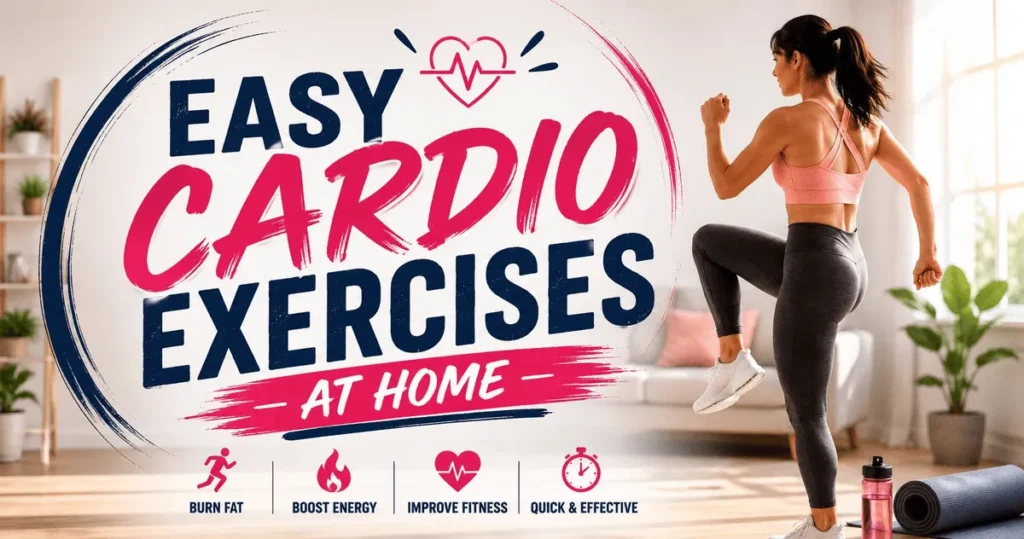
Beginner Cardio Exercises for Weight Loss: A Simple Guide can help you start exercising without complicated equipment or an advanced fitness level. Cardio exercises increase your heart rate, improve circulation, strengthen your cardiovascular system, and help your body use more energy. For beginners, simple activities such as walking, marching, cycling, dancing, and low-impact movements can provide an effective starting point.
Weight loss is influenced by several factors, including food choices, daily activity, sleep, and overall energy balance. Cardio can support this process by increasing calorie expenditure and improving fitness. The key is choosing activities that feel manageable enough to perform consistently rather than starting with workouts that are too difficult.
Why Cardio Is Helpful for Weight Loss
Cardio exercise uses large muscle groups repeatedly, which increases energy expenditure during physical activity. Regular sessions can improve stamina and make everyday activities easier. As your fitness improves, you may also be able to exercise for longer periods or gradually increase the intensity of your workouts.
Another benefit is that cardio can be adapted to almost any fitness level. Beginners can start with short walks or gentle movements and slowly progress toward more challenging activities. This flexibility makes cardio suitable for people who are returning to exercise after a long break.
Walking for a Simple Cardio Workout
Walking is one of the easiest ways for beginners to become more active. It places relatively little stress on the body while still providing cardiovascular benefits. You can walk outdoors, around your home, on a treadmill, or in another comfortable location.
Start with a pace that allows you to breathe comfortably and maintain a conversation. As your endurance develops, increase your walking speed or duration. Adding short periods of faster walking can also make a familiar route more challenging without requiring complicated exercises.
Marching and Step Exercises
Marching in place is a convenient exercise when you have limited space. Lift your knees comfortably, swing your arms naturally, and maintain a steady rhythm. This movement can raise your heart rate while allowing you to control the intensity according to your fitness level.
Step exercises can provide another effective option. Using a sturdy, low platform or simply stepping forward and backward on the floor can train your legs while increasing cardiovascular demand. Focus on controlled movements and use a stable surface to reduce the risk of losing balance.
Low-Impact Cardio Exercises
Low-impact exercises are particularly useful for beginners who want to avoid excessive jumping. Exercises such as side steps, toe taps, alternating knee lifts, and gentle skaters can provide a good cardio challenge while keeping one foot on the floor for much of the movement.
These exercises can be combined into a simple circuit. Perform one movement for a short period, transition to another, and continue while maintaining a comfortable but challenging pace. As your conditioning improves, gradually increase the duration or intensity.
Cycling for Beginners
Cycling provides an excellent cardiovascular workout while strengthening the legs. A stationary bike can be particularly convenient for home workouts because you can exercise regardless of outdoor weather. Outdoor cycling can also make exercise more enjoyable while allowing you to explore different routes.
Beginners should start with a comfortable resistance and moderate pace. Maintain good posture and avoid increasing resistance too quickly. Consistent cycling sessions can gradually improve endurance while adding variety to your weekly exercise routine.
Dancing as Enjoyable Cardio
Dancing is an enjoyable way to increase physical activity without making exercise feel repetitive. You can dance to your favourite music at home and adjust your movements according to your fitness level. Simple steps, arm movements, and changes in direction can create a surprisingly effective workout.
The biggest advantage of dancing is that enjoyment can make consistency easier. When you choose an activity you genuinely like, you may be more likely to continue exercising regularly. Start with shorter sessions and gradually increase the duration as your stamina improves.
Creating a Beginner Cardio Routine
A beginner routine does not need to be long or complicated. Start with a few minutes of easy movement to warm up, followed by approximately 15 to 25 minutes of moderate cardio. Finish with several minutes of slower movement to allow your heart rate to gradually return toward its normal level.
You can alternate activities throughout the week to prevent boredom. For example, walking can be combined with cycling, dancing, marching, or low-impact circuits. Variety keeps workouts interesting while allowing different muscles and movement patterns to be used.
How to Progress Safely
Progress should happen gradually rather than all at once. When a workout begins to feel easier, increase either the duration, frequency, or intensity slightly. Avoid making major changes to every part of your routine simultaneously because your body needs time to adapt to increased physical demands.
Pay attention to how you feel during and after exercise. Temporary tiredness is normal, but severe pain, dizziness, or unusual shortness of breath is a reason to stop and seek appropriate medical advice. Comfortable progression is more sustainable than trying to achieve rapid results.
Nutrition and Recovery for Weight Loss
Exercise works best when combined with balanced nutrition. Focus on nutrient-rich foods such as vegetables, fruits, lean proteins, whole grains, legumes, and healthy fats. These foods provide energy and nutrients that support both exercise performance and recovery.
Recovery is equally important. Adequate sleep, hydration, and rest days help your body adapt to physical activity. You do not need to exercise intensely every day to make progress. A consistent routine that includes recovery is easier to maintain over the long term.
Staying Consistent With Cardio
Consistency is often more important than workout intensity when you are beginning. Set realistic goals that fit your daily schedule and choose activities you enjoy. Even a short session is useful when it helps you build a regular exercise habit.
Tracking your activity can also provide motivation. Record your walking time, cycling sessions, workout duration, or other activities and look for gradual improvements. Instead of focusing only on the number on the scale, pay attention to better stamina, increased energy, improved movement, and greater confidence.
Conclusion
Beginner Cardio Exercises for Weight Loss: A Simple Guide provides an accessible starting point for anyone who wants to become more active and support a healthy weight. Walking, marching, cycling, dancing, and low-impact movements can improve cardiovascular fitness while helping increase daily energy expenditure.
The best routine is one you can maintain consistently. Begin at a comfortable level, increase the challenge gradually, and combine regular activity with balanced nutrition, hydration, quality sleep, and adequate recovery. With patience and commitment, simple cardio exercises can become a valuable part of a healthier lifestyle.
FAQs
What is the easiest cardio exercise for beginners?
Walking is one of the easiest options because it requires little equipment and can be performed at a pace that matches your current fitness level.
How often should beginners do cardio?
Beginners can start with several sessions each week and gradually build toward more regular activity as their fitness and recovery improve.
Can walking help with weight loss?
Yes. Walking increases physical activity and energy expenditure. Combined with appropriate nutrition, regular walking can support healthy weight management.
Is low-impact cardio effective?
Yes. Low-impact movements can raise your heart rate and improve cardiovascular fitness while reducing the amount of jumping and impact involved.
How long should a beginner cardio workout last?
A beginner can start with approximately 15 to 25 minutes and gradually increase workout duration as endurance improves.
Can I do cardio at home?
Absolutely. Marching, dancing, step exercises, low-impact circuits, and stationary cycling can all be performed at home.
Should I do cardio every day?
Daily light activity can be appropriate for many people, but beginners should allow adequate recovery after more demanding sessions.
What should I eat before cardio?
A light meal or snack containing carbohydrates and some protein can provide useful energy when needed. Choose foods that are comfortable for you to digest before exercise.
